-

Abstract: Mainland China has undergone a rapid development of nuclear power during the last two decades. The reactors under construction or soon to be constructed there include some of the world's most advanced models. While the average age of the workforce in China’s nuclear industry is still in the early 30s, China has already become largely self-sufficient in reactor design and construction, as well as other aspects of the fuel cycle. They have made full use of western technology while adapting and improving it, and now have set up a “go global” policy for exporting nuclear technology including heavy components to the rest of the world that may seem to be a strong competition to the US nuclear power industry. 

The speaker has led some two-way educational exchange programs with China during the last 20 years, including training about 20 Chinese nuclear engineers at the University of Michigan (UM), and taking over 100 UM students to China’s nuclear power construction sites and research institutions as visitors or interns. He will share his observation and thoughts with the audience on why we should continue to collaborate with China in nuclear engineering education and research, and how such collaboration can be a win-win deal for both countries in terms of global nuclear safety, technological advancement and economics. 
 

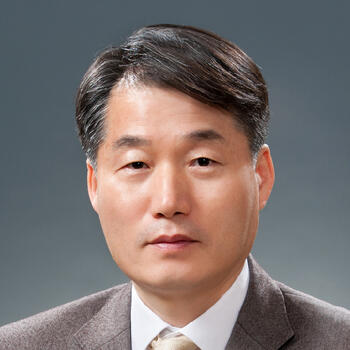
Speaker Bio: Dr. Lumin Wang came to US from China in 1982 and received his PhD in Materials Science from the University of Wisconsin-Madison in 1988. He is a professor in the Department of Nuclear Engineering & Radiological Sciences and the Department of Materials Science & Engineering at the University of Michigan, Ann Arbor (UM). He worked at Argonne National Laboratory and University of New Mexico before joining UM in 1997. Professor Wang’s main research interests are on radiation tolerance of nuclear engineering materials and ion beam modification of materials. Professor Wang has published more than 400 SCI indexed research papers with an h-index above 50. Professor Wang has been serving on the International Committee of American Nuclear Society (ANS) since 2010. He has taken over 100 UM students to China to observe the development of nuclear power there seven summers in a row since 2010. Professor Wang was named as an outstanding nuclear engineering professor in 2008 and an international ambassador in 2013 by UM’s college of engineering. 

Lumin Wang Professor, Dept. of Nuclear Engineering & Radiological Sciences University of Michigan
Seminars
-

In the face of population aging, policymakers throughout the Asia-Pacific are seeking ways to improve health service provision for older individuals. The InterRAI (International Resident Assessment Instrument) is a comprehensive assessment tool for older people, and is used as a de facto assessment tool for the care needs of older people in many countries, including New Zealand (see http://www.interrai.org). Part of the full InterRAI assessment is a home care assessment, which provides the data we use in this study, including three main outcome measures: (1) CHESS (Changes in Health, End-stage Disease, Signs, and Symptoms); (2) MAPLe (Method of Assigning Priority Levels); and (3) the ADL (Activities of Daily Living) hierarchy. Specifically, we use data on over 8000 assessments in the Waikato region of New Zealand over the period 2013-2016.

In this seminar, Professor Cameron discusses the relationship between the three outcome measures and a range of clinical and operational outcomes within 90 days of the assessment, including hospital admissions; dementia admissions; number of bed days; and mortality. The CHESS outcome measure offers the greatest predictive validity of the three measures, with a one unit increase in CHESS score (interpreted as a higher risk of serious decline in health status) associated with 26 percent higher odds of hospital admission within 90 days of assessment, 18 percent more bed days, and 30 percent higher odds of mortality. Finally, Cameron discusses how these results are being used by the Waikato District Health Board to improve the services provided to older people in the region.

Image
cameron michael crop
Dr. Michael Cameron is an associate professor in economics at the University of Waikato (New Zealand). He is also a research fellow in the National Institute of Demographic and Economic Analysis (NIDEA). He was a PGDA Visiting Fellow at the Harvard T.H. Chan School of Public Health at Harvard University from 2015-16.

Dr. Cameron gained his PhD from University of Waikato in 2007, with a thesis titled "The Relationship between Poverty and HIV/AIDS in Rural Thailand". His current research interests include population, health and development issues (including the social impacts of liquor outlet density, the economics of communicable diseases especially HIV/AIDS, health applications of non-market valuation, and health and development project monitoring and evaluation), population modelling and stochastic modelling, financial literacy and economics education.

He also blogs regularly at Sex, Drugs and Economics (http://sex-drugs-economics.blogspot.com/).


Michael P. Cameron National Institute of Demographic and Economic Analysis (NIDEA), University of Waikato, New Zealand
Seminars
-


Abstract: Freshwater scarcity is expected to increase over the coming decades due to population growth, migration to urban centers in water-scarce regions, and climate change. Increased scarcity will in turn drive price increases and potential for conflict. The ability of a country to equitably deliver freshwater may thus be the difference between survival and peace or war. Past solutions have relied upon massive water projects that convey freshwater from water-rich to water-scarce regions, but such strategies are energy intensive, costly, and contentious when political boundaries are crossed. Seawater desalination can be even more energy intensive, and is constrained to near-ocean locations. By contrast, reuse of treated water creates local supplies that offset demand for imported water. In the developed world, such systems are typically add-ons to existing centralized treatment plants, and purified water is pumped from these facilities to local users. In the developing world, the costs of such systems are prohibitive, and a new approach is needed. What might be done with mass-produced modular systems equipped with accurate and rapid monitoring technology? What would be the obstacles and the pay-offs?

Speaker Bio: Craig Criddle is Professor of Civil and Environmental Engineering and Director of the Codiga Resource Recovery Center at Stanford. He received his undergraduate and MS degrees from Utah State University and his PhD from Stanford.  His research focuses on technology for recovery of clean water, renewable energy, biomaterials, and valuable information. As Director of the Codiga Resource Recovery Center, he works with colleagues and practitioners to accelerate commercialization of promising technologies for resource recovery and to equip a new generation of practitioners with the know-how needed to successfully implement new technologies and to innovate beyond them.


William J. Perry Conference Room

Encina Hall, 2nd floor

616 Serra Street

Stanford, CA 94305

Craig Criddle Professor of Civil and Environmental Engineering Stanford University
Seminars
-

Abstract: The safety of a nuclear and any complex system is enhanced by analyzing failures and incorporating the lessons learned into ongoing and future activities.

The triad of hardware, software, and human factors drives nuclear safety. Although each of the 14 reactor core melt incidents that have occurred involved a different reactor design, in none of these cases was the root cause a failure of a major component or an error in analysis. In the six major core melts with which I am most familiar, human factors--the interface of human beings with the hardware and software--played a surprisingly important and under-appreciated role in accident initiation or progression.

The pattern revealed by these analyses of accidents implies that human factors must be better evaluated and integrated into nuclear designs. Several examples of failure modes and the role played by human factors in these accidents are discussed.

Speaker Bio: Milton Levenson started his nuclear work on the Manhattan Project in January 1944. His first assignment was in the development of the barrier for the Gaseous Diffusion plant. Later that year he was transferred to what is now the Oak Ridge National Laboratory to work on chemical separations projects.

In 1948 he joined the Argonne National Laboratory as part of the Atomic Energy Agency relocation of nuclear reactor research. He eventually became Argonne’s Associate Laboratory Director for Energy and the Environment.

In 1973 he joined the newly formed Electric Power Research Institute (EPRI) as director of nuclear power. In 1980 when President Reagan appointed Kenneth Davis the Deputy Secretary of Energy, Levenson joined the Bechtel Corporation in the role vacated by Davis.

In 1990 he retired from Bechtel. He continues to consult and currently is one of the six Senior Technical Advisors (STA) to the Nuclear Explosives Division (NED) of DoE's National Nuclear Security Administration (NNSA).

Much of his career has involved safety. He was personally involved in the aftermath of six of the 14 core melt events. He was asked to take charge of the 100 technical staff assembled at TMI to provide technical support to the utility staff. He was extensively involved with Chernobyl, co-chairing with Dr. Velikov, Gorbachev's Science Advisor, a detailed review of the cause of the accident. He chaired the Argonne Safety Committee that reviewed the EBR 1 accident, the Borax 1 experiment, and the SL 1 project. He had secondary roles in connection with the Lucens and Fermi 1 accidents.

Levenson is a member of the National Academy of Engineering. He has served on 30 National Academy studies and chaired 12 of them. He is a recipient of the Robert E. Wilson Award of the American Institute of Chemical Engineering for contributions to nuclear chemical engineering.  He received a special award from the American Nuclear Society for work defining the Source Term, the basic value that largely determines the consequences of nuclear accidents.

William J. Perry Conference Room

Encina Hall, 2nd floor

616 Serra Street

Stanford, CA 94305

Milton Levenson Senior Technical Advisors (STA), Nuclear Explosives Division National Nuclear Security Administration (NNSA), DOE
Seminars
-

The 2017 Forum will feature a luncheon keynote address on “Primary Care in the Netherlands: Lessons for China” by Jeroen N. Struijs, Senior Researcher in the Department of Quality of Care and Health Economics, National Institute of Public Health and the Environment, The Netherlands. Additional prominent speakers include Dr. Huncheol Bryant Kim, Cornell University, US, speaking on health policy in South Korea; Dr. Bei Lu, University of New South Wales, Australia, speaking on China’s efforts to integrate long-term care with primary care--Experiences of Qingdao’s Long-term Care Insurance program; Dr. Xiaoyun Liu, Peking University, on China’s primary care workforce; Dr. Jiayan Huang, Fudan University, on a model of integrated care from southern China; and Dr. Qiulin Chen, China Academy of Social Sciences, speaking on “Strengthening China’s primary care: A view from Inner Mongolia.” In addition, select policymakers and providers will introduce China's overall healthcare system reforms as well as discuss challenges to strengthening primary care in China.

Stanford Center at Peking University

Jeroen N. Struijs Senior Researcher in the Department of Quality of Care and Health Economics, National Institute of Public Health and the Environment, The Netherlands
Huncheol Bryant Kim Cornell University, US
Bei Lu University of New South Wales, Australia
Xiaoyun Liu Peking University, China
Qiulin Chen China Academy of Social Sciences, China
Seminars
-
The "Workshop of young leaders in Asia health policy" will take place at SCPKU on June 21, 2017, just prior to the annual primary care Forum. This special event convened in honor of the Stanford Asia Health Policy Program's 10th anniversary. It will feature short research panels by a dozen young health policy experts from Cambodia, China, Indonesia, Korea, Mongolia, Myanmar, Nepal, the Philippines, Thailand, the United States, and Vietnam. The luncheon colloquium will feature comparative perspectives on the major health policy challenges facing Asia as well as specific examples of how evidence-based policymaking can improve lives throughout the Asia-Pacific region.


Stanford Center at Peking University

Encina Hall E301616 Serra StreetStanford, CA94305-6055
(650) 724-5321 (650) 723-6530
0
darika_saingam.jpg Ph.D.

Darika Saingam joins the Walter H. Shorenstein Asia-Pacific Research Center as the Developing Asia Health Policy Postdoctoral Fellow for the 2015-16 year.  Saingam’s research interests are public health, substance abuse, drug policy and Southeast Asia. While at Shorenstein APARC, she will research the evolution of substance-abuse control measures and related policy in Thailand.  Saingam seeks to identify potentially effective policy directions suitable for Thailand, and other developing countries in Southeast and East Asia.

Saingam completed her doctorate in epidemiology at the Prince of Songkla University in 2012, and has served as a researcher at the University’s epidemiology unit since, as well as a researcher at the Thailand Substance Abuse Academic Network since 2014.

2015-16 Developing Asia Health Policy Postdoctoral Fellow
Faculty of Medicine Prince of Songkla University, Thailand
Ngoc Minh Pham Visiting research fellow at Curtin University, Australia
Director of KHANA Center for Population Health Research, Cambodia

Shorenstein APARC
Encina Hall E332
616 Serra Street
Stanford, CA 94305-6055

(650) 724-5710 (510) 705-2049 (650) 723-6530
0
Developing Asia Health Policy Fellow
IMG_4537.jpg MD

Gendengarjaa Baigalimaa joins the Walter H. Shorenstein Asia-Pacific Research Center (Shorenstein APARC) during the 2013-2014 acedemic year as the Asia Health Policy Program Fellow. She joins APARC from the Mongolian National Cancer Center, where she serves as a Gynecological Oncologist.

During her appointment as Health Policy Fellow, she will conduct a comparative study of how knowledge of cervical cancer risk factors has influenced behavior changes in Mongolia before and after the introduction of the National Cervical Cancer Program.

Baigalimaa is the Executive Director of Mongolian Society of Gynecological Oncologists and is also a member of the International Gynecological Cancer Society (IGCS) in Mongolia, Russia, and France.

Baigalimaa holds a MD from Minsk Belarussia Medical University. She also received a Masters in Health Science from Mongolian Medical University. She is fluent in both Russian and English.

Gynecological Oncologist at ''Mungun Guur'' hospital, Mongolia

Shorenstein APARC
Encina Hall C331
616 Serra Street
Stanford, CA 94305-6055

(650) 724-5656 (650) 723-6530
0
2013-2014 Asia Health Policy Postdoctoral Fellow
triyana_photo.jpg PhD

Margaret (Maggie) Triyana’s main research interests are inequality and human capital investments in developing countries. In particular, she is interested in the effects social policy changes on children’s health outcomes. As a Postdoctoral Fellow, she will analyze the effects of rural-urban migration in Indonesia and China, as well as the impact of health insurance expansion in Indonesia and Vietnam.

Triyana received a PhD in Public Policy from the University of Chicago in 2013.


Working Papers

“Do Health Care Providers Respond to Demand-Side Incentives? Evidence from Indonesia“

“The Effects of Community and Household Interventions on Birth Outcomes: Evidence from Indonesia”

“The Longer Term Effects of the ‘Midwife in the Village’ Program in Indonesia”

“The Sources of Wage Growth in a Developing Country” (with Ioana Marinescu)

2016-17 Kellogg visiting fellow; Assistant Professor of Economics at Nanyang Technological University, Singapore

Walter H. Shorenstein
Asia-Pacific Research Center
616 Serra St C333
Stanford University
Stanford, CA 94305-6055

(650) 724-6459 (650) 723-6530
0
Asia Health Policy Postdoctoral Fellow in Developing Asia
PajaronMarjorie_WEB.jpg

Marjorie Pajaron joins the Walter H. Shorenstein Asia-Pacific Research Center during the 2012–13 academic year from the University of Hawai’i at Manoa Department of Economics where she served as a lecturer.

She took part for five years in the National Transfer Accounts project based in Honolulu. Her research focuses on the role of migrant remittances as a risk-coping mechanism, as well as the importance of bargaining power in the intra-household allocation of remittances in the Philippines.

Pajaron received a PhD in economics from the University of Hawai’i at Manoa.

Working Papers:

 “Remittances, Informal Loans, and Assets as Risk-Coping Mechanisms: Evidence from Agricultural Households in Rural Philippines.” October 2012. Revise and Resubmit, Journal of Development Economics.

“The Roles of Gender and Education on the Intra-household Allocations of Remittances of Filipino Migrant Workers.” June 2012.

“Are Motivations to Remit Altruism, Exchange, or Insurance? Evidence from the Philippines.” December 2011.

Assistant Professor at the School of Economics, University of the Philippines, Diliman

Walter H. Shorenstein
Asia-Pacific Research Center
616 Serra St C335
Stanford University
Stanford, CA 94305-6055

(650) 724-5668 (650) 723-6530
0
2011-12 Asia Health Policy Fellow
SunAng_Profile.jpg MA, PhD

Ang Sun joins the Walter H. Shorenstein Asia-Pacific Research Center (Shorenstein APARC) from Brown University’s department of economics where she recently received her PhD.

Sun’s research interests encompass development economics, labor and demographic economics, and health economics. She focuses on intra-household allocations, gender differences, and household formation. In particular, she studies how a combination of different forces in China—including traditional values, rapid growth, and the population structure—is affecting Chinese families. During her time at Shorenstein APARC, Sun will participate in an interdisciplinary study of the impact of the aging process in Asia on economic growth.

Sun holds a PhD and an MA in economics from Brown University, and an MA from the China Center of Economic Research. She also received a BA in economics and a BS in information and computer science from Beijing University.

Central University of Finance and Economics, Beijing, China

Shorenstein APARC
Stanford University
Encina Hall, Room C335
Stanford, CA 94305-6055

(650) 736-0771 (650) 723-6530
0
2011 Shorenstein-Spolgi Fellow in Comparative Health Policy
Qiulin_Chen3x4.jpg MA, PhD

Qiulin Chen is a postdoctoral fellow of Shorenstein APARC and a member of the center's Asia Health Policy Program. His main interest of research is health economics and public finance, focusing on policy and outcome comparison of health care systems and Chinese health reform. His dissertation focused on performance comparison between public (or governmental) and private health care financing, between local and central government responsibility on health care, between contracted and integrated health care system. In particular, his dissertation examined under Chinese-style decentralization, known as fiscal decentralization with political centralization, how economic competition affect local government's behaviour on health investment, and why public contracted system obstructs health performance and provides one channel of such effects in terms of preventive care and public health. He is currently involved in a comparative research project on demographic change in East Asia based on the National Transfer Accounts data and analysis.

Chen's recent publication is "The changing pattern of China's public services" (with Ling Li and Yu Jiang) in Population Aging and the Generational Economy: A Global Perspective (Ronald Lee and Andrew Mason, editors), forthcoming 2011. Before studying in Stanford, he has published more than 10 papers in academic journals in Chinese, such as Jing Ji Yan Jiu (Economic Research) and Zhong Guo Wei Sheng Jing Ji (Chinese Health Economics), and 5 book chapters. He has participated in about 20 research projects, such as A Design of Framework for Healthcare Reform in China which is commissioned by the State Council Working Party on Health Reform, Strategy Planning Study of "Healthy China 2020" which is commissioned by the Minister of Health, and Health Challenge in the Aging Society and It's Policy Implication funded by Chinese National Natural Science Foundation.

Chen earned his Ph.D. in Economics from Peking University in 2010, and earned a B.A. in Business Administration from Nanjing University in 2001. From 2004 through 2008, he was Executive Assistant of the Director of the China Centre for Economic Research at Peking University (CCER). He is also a postdoctoral fellow of National School of Development at Peking University (Its predecessor is CCER).

CV
China Academy of Social Sciences, China
Associate Professor in the Department of Health Policy and Management at Seoul National University College of Medicine, Seoul, South Korea
Seminars
-

Lunch will be served to pre-registered guests. To ensure an accurate headcount, RSVPs are required.


The winners of the 2017 Firestone Medal and the William J. Perry Prize will present their prize-winning theses at a lunchtime seminar.

The Firestone Medal for Excellence in Undergraduate Research recognizes the top 10% of all honors theses in social science, science, and engineering. Receiving the Firestone Medal this year is Lauren Newby for her work on "From Zero to Sixty: Explaining the Proliferation of Shi’a Militias in Iraq after 2003." 

The Perry Prize recognizes excellence in policy-relevant research in international security studies and was awarded to Alex Lubkin for his research on "Plutonium Management and Disposition in the United States: History and Analysis of the Program." 

Both recipients are members of the Center for International Security and Cooperation’s Interschool Honors Program in International Security Studies.


Seminars
-

Co-organized with the Mr. and Mrs. S. H. Wong Center for the Study of Multinational Corporations

First proposed by President Xi Jinping in Indonesia in 2013, China’s Maritime Silk Road Initiative (MSRI) aims to finance and build infrastructure—roads and railroads, ports and pipelines, power grids and telecom networks—that will link China southwestward through Southeast Asia and on across the Indian Ocean, the Red Sea, and the Mediterranean to Europe.  In the near term, the initiative may unfold fairly smoothly to the benefit of China’s economic and political stature and influence.  In the longer run, however, the success of the project may limit or even undercut China’s gains.  Capitalizing on American withdrawal from global leadership, Beijing wants the MSRI and its sister scheme—the Silk Road Economic Belt—to lay the sea-and-ground-work for a new Asian-Indo-Pacific order that China would launch and manage.  But will China be able to supplant US power and articulate the values necessary to underwrite this new order?  Professors Blanchard and Zhao will explore this and other questions raised by the MSRI.  Stanford’s Don Emmerson will moderate their discussion within the panel and with the audience.

Jean-Marc F. Blanchard is Distinguished Professor in the School of Advanced International and Area Studies at East China Normal University (Shanghai).  He has edited, co-edited, or contributed to 13 edited volumes and special issues of journals; written more than 50 other articles and book chapters; and is the co-author of Economic Statecraft and Foreign Policy (2013).  He has been a visiting professor/scholar at Shorenstein APARC twice, in 2013 and 2014.

Suisheng Zhao is Professor in the Josef Korbel School of International Studies at the University of Denver.  The founder and chief editor of the Journal of Contemporary China, he has written or edited more than a dozen books and dozens of articles in scholarly and policy journals.  Previous positions include residence at Stanford as a Campbell National Fellow at the Hoover Institution and two elective terms as a member of the Board of Governors of the US Committee for Security Cooperation in the Asia Pacific.


Jean-Marc F. Blanchard Executive Director, Mr. & Mrs. S. H. Wong Center for the Study of Multinational Corporations, Los Gatos, CA
Suisheng Zhao Professor, the Josef Korbel School of International Studies, the University of Denver
Seminars
-

Chile, being positioned on the Pacific-facing rim of South America, has a natural tendency toward Asia, not only geographically, but also politically, culturally and economically. Mr. Maruicio Rodriguez from the Chile Pacific Foundation, a public-private partnership established by the Chilean government that seeks to deepen Chile’s ties with Asia, will discuss the country’s innovation and entrepreneurship ecosystem, including an analysis of promotion strategies, financing conditions and policy challenges.


Mauricio Rodriguez has been the head of projects and content at Chile Pacific Foundation since August 2016. He is responsible for managing contents produced by the Foundation, including research, digital strategy and conferences and events, overseeing both planning and production. He also serves as an ABAC-Chile staffer and often represents the Foundation as conference speaker/moderator. As a journalist and a communications professional, he has accumulated vast experience in the media industry and in the public relations/affairs industry, where he represented private interests before moving to public administration, the legislature and the judiciary. He has significant experience in the financial industry after working in the investment banking sector and being a financial journalist for almost two decades.


Mauricio Rodriguez <i>Chile Pacific Foundation</i>
Seminars
-

Speaker(s) Bio:

Image
zandanshatar
Zandanshatar Gombojav, Member of Parliament, having recently served as the General Secretary of the Mongolian People's Party, Mongolia's largest party by membership. From 2004 until 2012, he was a Member of the Parliament of Mongolia, and from 2009 to 2012, he was Mongolia's Minister of Foreign Affairs and Trade. Before his appointment as Foreign Minister, during which he had many foreign policy accomplishments from renewing the country's foreign policy concept to adopting new trade agreements with several partners, he had a successful career in Mongolia's banking sector, working at the Agricultural Bank, Khan Bank, and the Central Bank of Mongolia. He also served as the Deputy Minister of Agriculture, before being elected to Parliament. After graduating from the State Institute of Finance in Russia, he began his career as a Lecturer on Economics and Finance at Mongolia's Institute of Commerce and Industry. His current research interest focuses on issues related to the democratic and political development of Mongolia given its geostrategic situation. At Stanford, he will be working on a larger research project encompassing regional democratic and political development from Mongolia's unique perspective. He has published extensively on various banking issues and also on topics regarding the international relations process in refereed journals and different conference proceedings. He has been a strong supporter of the reform process, being actively involved in the organisation of youth development.


Image
fishkin 2
James S. Fishkin holds the Janet M. Peck Chair in International Communication at Stanford University, where he is Professor of Communication and (by courtesy) Professor of Political Science. He is also Director of Stanford’s Center for Deliberative Democracy. He is the author of Democracy and Deliberation (Yale 1991), When the People Speak: Deliberative Democracy and Public Consultation (Oxford 2009) and other books. He is a Guggenheim Fellow, a Fellow of the American Academy of Arts and Sciences, and a fellow at the Center for Advanced Study in the Behavioral Sciences, Stanford, California.


Co-sponsors:

Center for Deliberative Democracy

Stanford Global Studies


Member of Parliament

Encina Hall, E102
616 Jane Stanford Way
Stanford, CA 94305

(650) 723-4611
0
Janet M. Peck Professor of International Communication
Professor of Political Science (by courtesy)
Senior Fellow, Freeman Spogli Institute for International Studies
fishkin_2.jpg PhD

James S. Fishkin holds the Janet M. Peck Chair in International Communication at Stanford University, where he is a Professor of Communication and Professor of Political Science (by courtesy). He is also Director of the Deliberative Democracy Lab at CDDRL (formerly the Center for Deliberative Democracy).

He is the author of a number of books, including Democracy and Deliberation: New Directions for Democratic Reform (Yale University Press, 1991), The Dialogue of Justice (Yale University Press, 1992 ), The Voice of the People: Public Opinion and Democracy (Yale University Press 1995). With Bruce Ackerman, he is the co-author of Deliberation Day (Yale University Press, 2004). And more recently, When the People Speak: Deliberative Democracy and Public Consultation (Oxford University Press, 2009 and Democracy When the People Are Thinking (Oxford University Press, 2018).

He is best known for developing Deliberative Polling® — a practice of public consultation that employs random samples of the citizenry to explore how opinions would change if they were more informed. Professor Fishkin and his collaborators have conducted Deliberative Polls in the US, Britain, Australia, Denmark, Bulgaria, China, Greece, Mongolia, Uganda, Tanzania, Brazil,  and other countries.

Fishkin has been a Visiting Fellow Commoner at Trinity College, Cambridge, as well as a Fellow of the Center for Advanced Study in the Behavioral Sciences at Stanford, a Guggenheim Fellow, and a Fellow of the American Academy of Arts and Sciences.

Fishkin received his B.A. from Yale in 1970 and holds a Ph.D. in Political Science from Yale as well as a second Ph.D. in Philosophy from Cambridge.

Director, Deliberative Democracy Lab
Professor, Political Science
Seminars
Subscribe to Seminars