error

  • Could not retrieve the oEmbed resource.
Biosecurity
-

Abstract: Faster evolving technologies, new peer adversaries, and the increased role of non-government entities changes how we think about decisions to develop and adopt new technology. Uncertainties about technology “shelf life,” adversary intentions, and dual uses of technology complicate these decisions. This seminar will discuss the use of mathematical models and optimization methods to provide insight on technology policy issues. These issues include: balancing risk and affordability during technology research and development; timing technology adoption; and understanding adversary responses to new technologies. Examples will be discussed from offensive cyber operations and synthetic biology. We will conclude by discussing implications for how policy analysts and policy makers think about technology and security.


About the Speaker: Philip Keller is a National Defense Science and Engineering Graduate Fellow at Stanford. He is completing his PhD in Management Science & Engineering. He studies technology policy problems posed by new technologies. His research is highly interdisciplinary, drawing on methods from engineering risk and decision analysis, game theory, and operations research. His professional experience includes conducting studies and analysis for the Department of Defense and the Department of Homeland Security at RAND and the Homeland Security Studies and Analysis Institute. Previous study topics include unmanned aircraft operations; nuclear terrorism; offensive cyber operations; and military force structure. Philip holds a BS in Mathematics and an MS in Defense and Strategic Studies.

Predoctoral Fellow CISAC
Seminars
-

Abstract: Biotechnology is in a transition from artisanal tools and methods to computer-controlled, high-throughput systems that allow research and development at industrial scale. This digitization is also radically reducing technical and economic barriers, empowering a new generation of young designers to do bioengineering on par with major companies but at a fraction of the cost, and prompting a re-think of the entire industry, including business models, intellectual property, ethics and biosecurity. This shift has the potential to disrupt R&D on a global scale. This lecture provides an overview of the issues and opportunities.

About the Speaker: Autodesk Distinguished Researcher Andrew Hessel is spearheading the development of tools and processes that facilitate the computer-aided design and computer-aided manufacture of living creatures and systems. As a 2015-2016 AAAS-Lemelson Invention Ambassador, he also encourages others to explore invention and innovation in biological engineering. Andrew is active in the iGEM and DIYbio (do-it-yourself) communities and frequently works with students and young entrepreneurs to guide their career and business development efforts. He has given hundreds of invited talks on synthetic biology to groups that include hollywood movie producers, the United Nations, and the FBI.

Andrew Hessel Distinguished Researcher Autodesk Inc. (Bio/Nano Programmable Matter group)
Seminars
Authors
News Type
News
Date
Paragraphs

The H5N1 strain of the bird flu is a deadly virus that kills more than half of the people who catch it.

Fortunately, it’s not easily spread from person to person, and is usually contracted though close contact with infected birds.

But scientists in the Netherlands have genetically engineered a much more contagious airborne version of the virus that quickly spread among the ferrets they use as an experimental model for how the disease might be transmitted among humans.

And researchers from the University of Wisconsin-Madison used samples from the corpses of birds frozen in the Arctic to recreate a version of the virus similar to the one that killed an estimated 40 million people in the 1918 flu pandemic.

It’s experiments like these that make David Relman, a Stanford microbiologist and co-director of the Center for International Security and Cooperation, say it's time to create a better system for oversight of risky research before a man-made super virus escapes from the lab and causes the next global pandemic.

“The stakes are the health and welfare of much of the earth’s ecosystem,” said Relman.

“We need greater awareness of risk and a greater number of different kinds of tools for regulating the few experiments that are going to pose major risks to large populations of humans and animals and plants.”

Terrorists, rogue states or conventional military powers could also use the published results of experiments like these to create a deadly bioweapon.

“This is an issue of biosecurity, not just biosafety,” he said.

“It’s not simply the production of a new infectious agent, it’s the production of a blueprint for a new infectious agent that’s just as risky as the agent itself.”

Image
H5N1 bird flu seen under an electron microscope. The virus is colored gold. Photo credit: CDC
Scientists who conduct this kind of research argue that their labs, which follow a set of safety procedures known at Biosafety Level 3, are highly secure and the chances of a genetically engineered virus being released into the general population are almost zero.

But Relman cited a series of recent lapses at laboratories in the United States as evidence that accidents can and do happen.

“There have been a frightening number of accidents at the best laboratories in the United States with mishandling and escape of dangerous pathogens,” Relman said.

“There is no laboratory, there is no investigator, there is no system that is foolproof, and our best laboratories are not as safe as one would have thought.”

The Centers for Disease Control and Prevention (CDC) admitted last year that it had mishandled samples of Ebola during the recent outbreak, potentially exposing lab workers to the deadly disease.

In the same year, a CDC lab accidentally contaminated a mild strain of the bird flu virus with deadly H5N1 and mailed it to unsuspecting researchers.

And a 60 year-old vial of smallpox (the contagious virus that was effectively eradicated by a worldwide vaccination program) was discovered sitting in an unused storage room at a U.S. Food and Drug Administration lab.

Earlier this year, the U.S. Army accidentally shipped samples of live anthrax to hundreds of labs around the world.

Similar problems have been reported in labs around the world. The United Kingdom has had more than 100 mishaps in its high-containment labs in recent years.

It’s difficult to judge the full scope of the problem, because many lab accidents are underreported.

Studying viruses in the lab does bring important potential benefits, such as the promise of universal vaccines, as well as cheap and effective ways of developing new drugs and other kinds of alternative defenses against naturally occurring diseases.

“It’s a very tricky balancing act,” Relman said.

“We don’t want to simply shut down the work or impede it unnecessarily.”

However, there are safer ways to conduct research, such as using harmless “avirulent” versions of the virus that would not cause widespread death and injury if it infected the general public, Relman said.

Developing better tools for risk-benefit analysis to identify and mitigate potential dangers in the early stages of research would be another important step towards making biological experiments safer.

Closer cooperation among diverse stakeholders (including domain experts, government agencies, funding groups, governing organizations of scientists and the general public) is also needed in order to develop effective rules for oversight and regulation of dangerous experiments, both domestically and abroad.

“We believe that the solutions are going to have to involve a diverse group of actors that has not yet been brought together,” Relman said.

“We need new approaches for governance in the life sciences that allow for these kinds of considerations across the science community and the policy community.”

You can read more about Relman’s views on how to limit the risks of biological engineering in this article he wrote for Foreign Affairs with co-author with Marc Lipsitch, director of Harvard’s Center for Communicable Disease Dynamics.

Hero Image
h5n1 cdc 1841
All News button
1
-

Abstract: The threat of biological attack on the people of the United States and the world, whether intentional, natural or accidental, is of growing concern, both in spite of and because of significant technological advances over the past four decades. As a global leader, the United States needs a comprehensive policy approach for managing future attacks, which incorporates technologic elements from rapid detection through appropriate response. American and international responses to recent infectious disease outbreaks such as anthrax (intentional, accidental), H5N1 influenza (natural) and ebola (natural) have managed to contain these events ‐ with the paradoxical effect on policy makers, both political and administrative, of relief (“missed that bullet”, “we must be doing this right”), rather than serving as wake‐up calls. A challenge in merging technological solutions into policy lies in the rapid advances across the multiple sciences. Translation of these ongoing technologic advances for policy leaders is an essential element in effective policy development. Incorporation of technologic solutions into biosecurity policy construction, combined with motivated leadership, has the potential for enhancing future national and global responses to unprecedented biological attacks.

About the Speaker: Patrick J. Scannon, M.D., Ph.D. is XOMA's Company Founder, Executive Vice President, Chief Scientific Officer and a member of its Board of Directors. Since 1980, Dr. Scannon has directed the Company's product identification, evaluation and clinical testing programs for novel therapeutic monoclonal antibodies and proteins against infectious, oncologic, metabolic and immunologic diseases. As Chief Scientific Officer, he leads evaluations for new therapeutic antibody identification and discovery programs. 

Dr. Scannon holds a Ph.D. in organic chemistry from the University of California, Berkeley and an M.D. from the Medical College of Georgia. He completed his medical internship and residency in internal medicine at the Letterman Army Medical Center in San Francisco. A board-certified internist, Dr. Scannon is also a member of the American College of Physicians. He is the inventor or co-inventor of several issued U.S. patents, and has published numerous scientific abstracts and papers.

Dr. Scannon has served as a member of the Research Committee for Infectious Diseases Society of America (IDSA), the National Biodefense Science Board (NBSB, a federal advisory board for the Department of Health and Human Services), the chair of the Chem/Bio Warfare Defense Panel for the Defense Threat Reduction Agency (DTRA) and a member of the Defense Sciences Research Council (DSRC, a research board for Defense Advanced Research Projects Agency (DARPA)). He has served as a Trustee of the University of California Berkeley Foundation and as a member of the University of California Berkeley Chancellor's Community Advisory Board. Dr. Scannon is currently on the Board of Directors of Pain Therapeutics, Inc.

Technology Impact on Biosecurity Policy and Practice
Download ppt
Patrick J. Scannon Founder, Executive Vice President, Chief Scientific Officer XOMA
Seminars
Authors
News Type
News
Date
Paragraphs

Bioengineering researchers have recently constructed the final steps required to engineer yeast to manufacture opiates, including morphine and other medical drugs, from glucose, drawing significant interest, and concern, from the media and academics in the science and policy fields, including at the Center for International Security and Cooperation (CISAC).  

“Researchers are getting better at building biology based platforms to create a wide variety of compounds that are difficult, inefficient, or sometimes impossible to create by other means,” Dr. Megan J. Palmer told National Public Radio in the weekly Science Friday segment.

She highlighted how these platforms can enable production of potentially safer, cheaper and more effective drugs. “But one significant concern is if we create the full pathway to go from glucose to this intermediate and then all the way to things like morphine, this could feed into illicit markets and bolster new illicit markets.”

Image
Palmer is a William J. Perry Fellow in International Security at CISAC whose work focuses on developing best practices and policies for responsibly advancing biotechnology.

The media this week has focused on comments by researchers who pointed out that the modified yeast could be used to manufacture heroin, a synthesized version of morphine. The prospect of “home-brewed heroin” has been prominently featured in news coverage.

There are significant concerns, says Palmer, but she cautioned that focusing solely on that possibility could lead to bad policy outcomes.

“There is a big opportunity for researchers, policy makers, and industry to work together to figure out what controls they can put in,” she said in a separate interview. “We have time to get ahead of this problem. We now have choices in how we build and regulate the technology. The challenge for regulatory and technical communities will be to avoid reactive quick fixes. It’s encouraging to see researchers engaging in these issues early on.”

The challenge will be to find ways for researchers, law enforcers, and policy experts to work together to build safeguards into the biology itself as well as into organizations and institutions. 

“We really need to think about security as a design principle,” Palmer said. She hopes to foster thoughtful and rigorous analysis of how the design of biotechnology impacts future governance options.

“This issue highlights beautifully the nexus between public policy and science and technology, which is where CISAC has already, and will continue to make important contributions,” said CISAC Co-Director David Relman. Dr. Relman is also the Thomas C. and Joan M. Merigan Professor in the Departments of Medicine, and of Microbiology and Immunology at Stanford University. 

CISAC recently hosted a seminar led by Stanford’s Dr. Christina Smolke that discussed technology advances that are resulting in alternative supply chains for drugs, with particular attention to opiates.

Dr. Smolke is also troubled by the over-emphasis of the risks associated with the potential technology. “I believe it’s inflammatory, biased, and not grounded in an accurate representation of the technology. However, the commentary focuses on the risks of the supply chain and proposes regulations/governance for such a technology, without implementing a process to engage various parties in discussions to thoughtfully assess risks, opportunities, and regulatory needs in this context.”

“I think we need to frame this issue in the context of the larger systemic challenges involving the rearrangements of supply chains enabled through bio-manufacturing and how we spread responsible norms and practices,” Palmer said. “We need to think about governance options in terms of human capacities and technical capacities. What safeguards can we engineer into our technologies, and in turn what safeguards can we build into our organizations and institutions?”

Hero Image
Yeast culture
All News button
1
-

Abstract: Recent advances in synthetic biology are transforming our capacities to make things with biology. This bio-based manufacturing technology has the potential to be most disruptive around products for which existing material supply chains result in limited access. For example, broad access to medicines and the development of new medicines has been difficult to achieve, largely due to the coupling between material supply chains and these therapeutic compounds. We are developing a biotechnology platform that will allow us to replace current supply chains for already approved medicines with stable, secure, scalable, distributed, and economical microbial fermentation. Our initial target is the opioids, an essential class of medicines for pain management and palliative care, which are currently sourced through opium poppy cultivation. In addition, we will leverage this technology to access novel compound structural space that will open up tremendous opportunity for transforming the discovery and development of new drugs over a longer-time frame.

About the Speaker: Christina D. Smolke is an Associate Professor, Associate Chair of Education, and W.M. Keck Foundation Faculty Scholar in the Department of Bioengineering and, by courtesy, Chemical Engineering at Stanford University. Christina’s research program develops foundational tools that drive transformative advances in our ability to engineering biology. For example, her group has led the development of a novel class of biological I/O devices, fundamentally changing how we interact with and program biology. Her group uses these tools to drive transformative advances in diverse areas such as cellular therapies and natural product biosynthesis and drug discovery. Christina is an inventor on over 15 patents and her research program has been honored with numerous awards, including the NIH Director’s Pioneer Award, WTN Award in Biotechnology, and TR35 Award.

Encina Hall (2nd floor)

Christina Smolke Associate Chair for Education, Associate Professor, Bioengineering Speaker Stanford University
Seminars
News Type
News
Date
Paragraphs

The Europe Center Graduate Student Grant Competition

Call for Proposals:

The Europe Center is pleased to announce the Fall 2014 Graduate Student Grant Competition for graduate and professional students at Stanford whose research or work focuses on Europe. Funds are available for Ph.D. candidates from across a wide range of disciplines in the humanities and social sciences to prepare for dissertation research and to conduct research on approved dissertation projects. The Europe Center also supports early graduate students who wish to determine the feasibility of a dissertation topic or acquire training relevant for that topic. Moreover, funds are available for professional students whose interests focus on some aspect of European politics, economics, history, or culture; the latter may be used to support an internship or a research project. Grants range from $500 to $5000.

Additional information about the grants, as well as the online application form, can be found here.  The deadline for this Fall’s competition is Friday, October 17th. Recipients will be notified by November 7th. A second competition is scheduled for Spring 2015.
 

Highlights from 2013-2014:

In the 2013-2014 academic year, the Center awarded grants to 26 graduate students in departments ranging from Linguistics to Political Science to Anthropology. We would like to introduce you to some of the students that we support and the projects on which they are working. Our featured students this month are Michela Giorcelli (Economics) and Orysia Kulick (History).

Giorc

Image
elli’s project, “The Effects of Management and Technology on Firms’ Productivity: Lesson from the US Marshall Plan in Italy,” explores the role of productivity in the process of economic growth and development. It is typically difficult to isolate the causal effect of management training programs and technology transfer programs on business productivity because these measures are often endogenous to other unobservable factors. To overcome this concern, Giorcelli employed a unique research design to analyze the effects of the Marshall Plan’s transfer of US management and technology to Italian firms in the aftermath of WWII. 

Image
Image of Archivio
Giorcelli collected and digitized balance sheets data for 6,035 Italian firms eligible to receive the US management and technology support between 1930 to 1970. She then exploited an exogenous change in policy implementation that randomly determined which firms actually received Marshall Plan support. Preliminary results show that all firms that received either support significantly increased their productivity. Moreover, firms that received both sets of support simultaneously showed an additional increase in productivity, suggesting that management and technology are complementary in production. (Inset: The archives where Giorcelli conducted her research)

Image
Kulick’s project, “Regionalism in Ukraine and the Long Collapse of the Soviet Union, 1954--2014,” used original historical evidence collected from Ukrainian archives to study the political nexus between party elites in Kiev and in Moscow. For example, Kulick gleaned insights about the political economy of postwar industrial reconstruction from local archives in Dnipropetrovsk, a metallurgical powerhouse in the region. Previously inaccessible primary sources indicate that as the Soviet economy grew more complex, the state apparatus became more independent. Consequently, managerial specialists needed more autonomy to meet deadlines and quotas, making them--rather than the party--the source of innovation in postwar Ukraine. 

Image
According to Kulick, “my research this summer opened up new ways of thinking about the relationship between the party and the institutions that made up the Soviet state and economy.” Kulick used insights from Soviet-era KGB documents to shed new light on the current propaganda emanating out of the Kremlin. For example, she found that the long-term pull toward greater improvisation has had ongoing consequences. The current conflict is not just about Ukraine’s geopolitical orientation; it is also the byproduct of the dissolution of intransigent and poorly understood late Soviet-era institutions. (Inset: Kulick documents military mobilization during her summer in Ukraine)


Undergraduate Internship Program: Highlights

The Europe Center sponsored four undergraduate student internships with leading think tanks and international organizations in Europe in Summer 2014.  Laura Conigliaro (International Relations, 2015) joined the Centre for European Policy Studies (CEPS), while Elsa Brown (Political Science, 2015), Noah Garcia (BA International Relations and MA Public Policy, 2015), and Jana Persky (Public Policy, 2016) joined Bruegel, a leading European think tank. Our featured student this month is Laura Conigliaro.

Image
During her time at CEPS, Conigliaro worked on a 68-page research paper on genetically modified organisms (GMO) policy in the European Union. In the paper, she traces E.U. legislation and policy development on GMOs from 1990 onward, and also offers conclusions for the future trajectory of the E.U.’s GMO policy. Conigliaro argues that the evolution of the E.U.’s GMO policy is a topic of extreme relevance--and difficulty--because it is the source of high-level trade conflicts between Europe and the United States. Consequently, the study of GMO policymaking can help advance our understanding of E.U. institutions, E.U. “comitology” (policy process), and E.U.-U.S. bilateral relations. 

Image
Image of CEPS signage.
Conigliaro plans to incorporate the summer fellowship experience into her Stanford academic career, for example, by presenting research findings at Stanford’s Symposia of Undergraduate Research and Public Service (SURPS). Looking ahead, she writes: “I hope to use the knowledge and experience gained of the E.U. Institutions and policy process through the lens of the GMO issue to broaden and diversify my potential career opportunities and areas from my traditional area of concentration, East Asia, to also include the European Union.”


Recap:  Panel on Europe-Russia Relations and EU expansion

On September 30, 2014, Miroslav Lajčák, the Deputy Prime Minister and the Minister of Foreign and European Affairs of the Slovak Republic, participated in a panel discussion in which he shared his thoughts and opinions about Europe’s relationship with Russia, and about the E.U.’s management of its future membership and associations. The Minister’s viewpoints were of particular interest, given his role in the E.U. foreign policy establishment, and the Slovak Republic’s role in the E.U. and NATO.

“The fact is that E.U.-Russia relations have worsened dramatically. That cannot be denied. But it’s not E.U. enlargement that played a major role in this.”  According to the Minister, Russia did not view E.U. enlargement with hostility, in part, because enlargement remained a transparent process. “But it all changed when Europe decided to enter into Russia’s immediate neighborhood...the former Soviet Republics. And this was something that

Image
Miroslav Lajčák
was seen by Russia as a hostile activity, and this was what Russia fiercely resisted.” The Minister spoke candidly about the potential conflicts of concepts between the E.U.’s Eastern Partnership policy, Russia’s Near Abroad policy, and the idea of a Eurasian Union. A fundamental and ongoing source of tension pertains to the geopolitical position of Russia’s immediate neighbors: “The fact is that Russia never accepted the full sovereignty of the former Soviet Republics.” Apart from discussing the escalation of tensions between the E.U. and Russia, the Minister spoke about the role of sanctions and reforms as a path for moving forward and achieving lasting peace in Europe.

Minister Lajčák’s brought a variety of experiences to the panel. He served as the European Union Chief Negotiator for the E.U.-Ukraine and E.U.-Moldova Association Agreements, and was the European Union Special Representative for Bosnia and Herzegovina, and Sarajevo. Additionally, he was previously the Ambassador of the Slovak Republic to the Former Republic of Yugoslavia, Albania and the Former Yugoslav Republic of Macedonia. 

After Minister Lajčák spoke, he was followed by comments by Michael McFaul, Professor of Political Science and Senior Fellow, Hoover Institute and Freeman Spogli Institute; Norman Naimark, the Robert and Florence McDonnell Professor in East European Studies in the History Department and The Director of Stanford Global Studies; and Kathryn Stoner, Senior Fellow at the Freeman Spogli Institute and Faculty Director of the Susan Ford Dorsey Program in International Studies.


Introducing “Immigration and Integration in Europe” Policy Lab

The Europe Center would like to introduce a new research project entitled, “Immigration and Integration in Europe:  A Public Policy Perspective,” led by Professors David Laitin and Jens Hainmueller. Duncan Lawrence has recently joined Stanford University to help direct the project. The project is part of the new Policy Implementation Lab at the Freeman Spogli Institute for International Studies.

The social and economic integration of its diverse and ever growing immigrant populations is one of the most fundamental and pressing policy issues European countries face today. Success or failure in integrating immigrants is likely to have a substantial effect on the ability of European countries individually and collectively as members of the European Union to achieve objectives ranging from the profound such as sustaining a robust democratic culture to the necessary such as fostering economic cooperation between countries. Various policies have been devised to address this grave political dilemma, but despite heated public debates we know very little about whether these policies achieve their stated goals and actually foster the integration of immigrants into the host societies. (Inset: David Laitin)

Professor Jens Hainmueller.The goal of this research program is to fill this gap and create a network of leading immigration scholars in the US and Europe to generate rigorous evidence about what works and what does not when it comes to integration policies. The methodological core of the lab’s research program is a focus on systematic impact evaluations that leverage experimental and quasi-experimental methods with common study protocols to quantify the social and economic returns to integration policies across Europe, including polices for public housing, education, citizenship acquisition, and integration contracts for newcomers. This work will add to the quality of informed public debate on a sensitive issue, and create cumulative knowledge about policies that will be broadly relevant. (Inset: Jens Hainmueller)


The Europe Center Sponsored Events

We invite you to attend the following events sponsored or co-sponsored by The Europe Center:

Additional Details on our website
October 8-10, 2014
“War, Revolution and Freedom: the Baltic Countries in the 20th Century”
Stauffer Auditorium, Hoover Institution
9:00 AM onward

Save the Date
April 24-25, 2015
Conference on Human Rights

A collaborative effort between the International Human Rights and Conflict Resolution Clinic at Stanford Law School (IHRCRC), the Research Center for Human Rights at Vienna University (RCHR), and The Europe Center. The conference will focus on the pedagogy and practice of human rights. 

Save the Date
May 20-22, 2015
TEC Lectureship on Europe and the World 
Joel Mokyr
Robert H. Strotz Professor of Arts and Sciences, and Professor of Economics and History, Northwestern University

We welcome you to visit our website for additional details.

All News button
1
News Type
News
Date
Paragraphs

The Ebola epidemic, which could affect hundreds of thousands of West Africans, can only be contained by rebuilding public trust and local health systems decimated by years of neglect, according to a panel convened by the Freeman Spogli Institute for International Studies and Stanford Medicine. FSI Senior Fellows David RelmanPaul WiseStephen Stedman, Michele Barry and Douglas Owens were among the panelists.

The World Health Organization estimates 2,811 people have died of the virus since the outbreak began earlier this year and that 5,864 people currently are infected in Sierra Leone, Liberia, Guinea, Senegal and Nigeria.

In this Stanford Medicine news story, Owens, a professor of medicine and director of the Center for Health Policy at FSI, cites a new report by the Centers for Disease Control and Prevention that estimates that even with "very aggressive" intervention, there would be at least 25,000 cases by late December. If intervention is delayed by just one month, the CDC estimates there would be 3,000 new cases every day; if it's delayed by two months, there will be 10,000 new cases daily. "It gives you a sense of the extraordinary urgency in terms of time," Owens told the audience.

Relman and CISAC biosecurity fellow Megan Palmer have also done a Q&A about the virus.

And you can listen to a KQED Public Radio talk show about Ebola that included Relman. 


Hero Image
ebola woman
A pregnant woman suspected of contracting Ebola is lifted by stretcher into an ambulance in Freetown, Sierra Leone, Sept. 19, 2014 in a handout photo provided by UNICEF.
UNICEF/Reuters
All News button
1
-

Abstract: Advances in biotechnology offer huge potential benefits to humankind, but at the same time present serious challenges to security. Professor Stearns will discuss his work as a member of JASON, an advising body that carries out studies for the US government on a wide range of topics.  Much of that work has been directed at assessing how the dissemination of sophisticated, yet inexpensive, biotechnology equipment and methods has changed how we have to think  about some of the key issues in biosecurity. 


About the Speaker: Tim Stearns is the Frank Lee and Carol Hall Professor of Biology at Stanford University and Professor of Genetics at Stanford Medical School.  He is the chair of the Department of Biology.  Dr. Stearns’ lab studies the structure and function of the centrosome and cilium in animal cells and the relationship of defects in these important signaling centers to human disease.  He has been recognized for his teaching of undergraduates and graduate students at Stanford, and internationally in Chile, Ghana, South Africa and Tanzania.  Dr. Stearns is a member of JASON, an independent group of scientists which advises the United States government on matters of science and technology.  


Encia Hall (2nd floor)

Tim Stearns Frank Lee and Carol Hall Professor and Professor of Genetics Speaker Stanford University
Seminars
-

Abstract: Biotechnology is diffusing globally. Efficient methods for reading, writing and editing genetic information, generating genetic diversity, and selecting for traits, are becoming widely available. Increasingly, the capacity to manipulate living systems is in the hands of individuals and small groups instead of only large institutions and states.

In this presentation I will explore key governance challenges coupled to the reorganization of practitioner communities and supply chains in biotechnology. In particular, I will examine the effectiveness of strategies proposed by new US federal policies for the oversight of so-called Life Sciences Dual-Use Research of Concern (DURC): experiments that while seeking to mitigate certain risks may pose new ones. More broadly, I will consider options and tradeoffs in building more centralized versus decentralized organizational structures for identifying and responding to emerging biotechnology opportunities and threats.

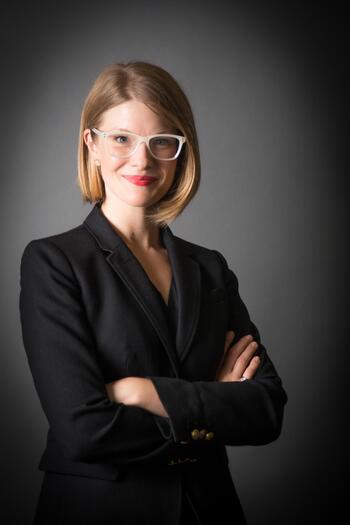
About the Speaker: Dr. Megan J. Palmer is a William J. Perry Fellow in International Security at CISAC for 2013-2015. She is also a research scientist UC Berkeley and Lawrence Berkeley National Labs, and serves on the advisory board for the synthetic biology program at the Joint Genomics Institute (JGI). Dr. Palmer is an investigator for the NSF Synthetic Biology Engineering Research Center (Synberc) and serves as its Deputy Director of Policy & Practices. She was previously a postdoctoral scholar in the Bioengineering Department at Stanford, where she first joined CISAC as an affiliate in 2012.

Dr. Palmer’s work seeks to develop and advise on best practices and policies for responsibly advancing biotechnology. She has directed projects in biological safety and security, property rights, and governance. She has also launched many programs on the societal aspects of biotechnology.

Dr. Palmer holds a Ph.D. in Biological Engineering from MIT. She received a B.Sc.E. in Engineering Chemistry from Queen’s University, Canada.

Encina Hall (2nd floor)

616 Jane Stanford Way
Suite C238
Stanford, CA 94305-6165

(650) 725-8929
0
Senior Director of Public Impact at Ginkgo Bioworks
CISAC Affiliate
meganpalmer.jpeg PhD

Dr. Megan J. Palmer is the Executive Director of Bio Policy & Leadership Initiatives at Stanford University (Bio-polis). In this role, Dr. Palmer leads integrated research, teaching and engagement programs to explore how biological science and engineering is shaping our societies, and to guide innovation to serve public interests. Based in the Department of Bioengineering, she works closely both with groups across the university and with stakeholders in academia, government, industry and civil society around the world.

In addition to fostering broader efforts, Dr. Palmer leads a focus area in biosecurity in partnership with the Freeman Spogli Institute for International Studies (FSI) at Stanford. Projects in this area examine how security is conceived and managed as biotechnology becomes increasingly accessible. Her current projects include assessing strategies for governing dual use research, analyzing the diffusion of safety and security norms and practices, and understanding the security implications of alternative technology design decisions.

Dr. Palmer has created and led many programs aimed at developing and promoting best practices and policies for the responsible development of bioengineering. For the last ten years she has led programs in safety, security and social responsibility for the international Genetically Engineered Machine (iGEM) competition, which last year involved over 6000 students in 353 teams from 48 countries. She also founded and serves as Executive Director of the Synthetic Biology Leadership Excellence Accelerator Program (LEAP), an international fellowship program in biotechnology leadership. She advises and works with many other organizations on their strategies for the responsible development of bioengineering, including serving on the board of directors of Revive & Restore, a nonprofit organization advancing biotechnologies for conservation.

Previously, Megan was a Senior Research Scholar and William J. Perry Fellow in International Security at the Center for International Security and Cooperation (CISAC), part of FSI, where she is now an affiliated researcher. She also spent five years as Deputy Director of Policy and Practices for the multi-university NSF Synthetic Biology Engineering Research Center (Synberc). She has previously held positions as a project scientist at the California Center for Quantitative Bioscience at the University of California Berkeley (where she was an affiliate of Lawrence Berkeley National Labs), and a postdoctoral scholar in the Bioengineering Department at Stanford University. Dr. Palmer received her Ph.D. in Biological Engineering from M.I.T. and a B.Sc.E. in Engineering Chemistry from Queen’s University, Canada.


Date Label
William J. Perry Fellow in International Security Speaker CISAC
Seminars
Subscribe to Biosecurity