Paragraphs

Key Points


Question

How do income-related inequalities in health system performance differ between the US and South Korea?

Findings 

In this cross-sectional study of 224 168 US adults and 179 452 South Korean adults, higher-income adults had lower health care spending, greater preventive care use, greater access to care, fewer behavioral risk factors, and better self-reported health than lower-income adults in both countries. These inequalities were generally more pronounced in the US.

Meaning 

The findings suggest that income is associated with disparities in health system performance in the US and South Korea, with larger differences by income in the US.


Abstract


Importance 

Income is a key social determinant of health, yet its influence on health system performance may differ across settings. Cross-national comparisons can help identify where income-related disparities are most pronounced and inform targeted policy responses; the US and South Korea are 2 members of the Organisation for Economic Co-operation and Development with high poverty rates but different health systems.

Objective 

To compare health system performance and income-related inequalities in health system performance between the US and South Korea.

Design, Setting, and Participants 

This repeated cross-sectional study including nationally representative samples of noninstitutionalized adults from the US and South Korea used data from the Medical Expenditure Panel Survey (MEPS; 2010-2019), National Health and Nutrition Examination Survey (NHANES; 2009-2018), Korean Health Panel Study (KHPS; 2010-2019), and Korean National Health and Nutrition Examination Survey (KNHANES; 2010-2019). Data were analyzed from March 2024 to March 2025.

Exposures 

Annual household income, categorized into country-specific deciles.

Main Outcomes and Measures 

The main outcomes were 30 indicators across 6 domains: health care spending, health care utilization, access to care, health status, behavioral risk factors, and clinical outcomes. To evaluate income-related inequalities in outcomes, adjusted mean values across income deciles were estimated using regression models.

Results 

The sample included 224 168 US adults (female: 51.1% in MEPS, 51.7% in NHANES) and 179 452 South Korean adults (female: 52.4% in KHPS, 56.1% in KNHANES). Mean (SD) age was 46.6 (18.0) years in MEPS, 46.5 (17.4) years in NHANES, 47.7 (16.2) years in KHPS, and 50.5 (17.1) years in KNHANES. US adults had higher mean total health care spending (lowest income decile: $7852 [95% CI, $7456-$8247]; highest decile: $6510 [95% CI, $6218-$6802]) than South Korean adults (lowest decile: $1184 [95% CI, $1105-$1263]; highest decile: $1025 [95% CI, $950-$1100]) despite similar levels of self-reported good health. A 1-decile increase in income was associated with a difference of −$142 (95% CI, −$179 to −$104) in total health care spending in the US compared with −$33 (95% CI, −$41 to −$25) in South Korea. A 1-decile increase in income was associated with an increase of 2.4 (95% CI, 2.3-2.5) percentage points (pp) in self-reported good health in the US compared with 1.5 (95% CI, 1.4-1.6) pp in South Korea. Income-related disparities in preventive service use were also larger in the US, ranging from 0.2 (95% CI, 0.2-0.2) pp for cervical cancer screening to 4.0 (95% CI, 3.9-4.1) pp for dental checkups. In South Korea, disparities ranged from 0.6 (95% CI, 0.4-0.8) pp for dental checkups to 2.0 (1.8-2.2) pp for routine checkups. Similar income gradients were observed in access to care and behavioral risk factors. Differences in clinical outcomes were modest in both countries.

Conclusions and Relevance

 In this cross-sectional study, income was associated with disparities in health system performance in both the US and South Korea, with larger differences by income in the US. The findings suggest that structural and systemic policy efforts are needed to address income-based health inequalities, particularly in the US.

All Publications button
1
Publication Type
Journal Articles
Publication Date
Journal Publisher
JAMA Health Forum
Authors
Karen Eggleston
-
Reactionary Politics in South Korea -April 15 at 12 pm pt

The rise of the illiberal, far-right politics threatens democratic system throughout the world. The South Korean president Yoon Seok-yeol’s martial law declaration in December 2024 stunned the world. More puzzling is that Yoon’s insurrection unexpectedly gained substantial support from the ruling right-wing party and ordinary citizens. Why do ordinary citizens support authoritarian leaders and martial law in a democratic country? What draws these citizens to extreme actions and ideas? Through eighteen months of field research and drawing from rich qualitative data, this talk will provide an in-depth account of the ideas and practices of the far-right groups and organizations, and help to understand the roots of current democratic regression.

Speaker:

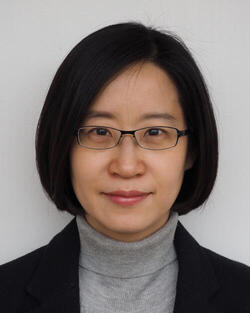
portrait of Myungji Yang

Myungji Yang is Associate Professor of Sociology at the University of Hawai‘i-Mānoa. A political sociologist and social movement scholar, she is interested in the issues of power, inequality, civil society and democracy. Her research has appeared in Nations and Nationalism, Politics and Society, Mobilization: An International Inquiry, Urban Studies, and Sociological Inquiry, among other venues. She is the author of two books, From Miracle to Mirage (2018, Cornell University Press) and Reactionary Politics in South Korea: Historical Legacies, Far-Right Intellectuals, and Political Mobilization (2025, Cambridge University Press). She is currently developing a research project on young men’s radicalization and anti-feminist politics.


Directions and Parking > 

Philippines Conference Room (C330)
Encina Hall, 3rd Floor
616 Jane Stanford Way, Stanford, CA 94305

Myungji Yang, Associate Professor of Sociology, University of Hawai‘i at Mānoa
Seminars
Date Label
Paragraphs

On January 22, South Korea introduced its AI Basic Act, which it claimed to be “the world’s first comprehensive body of laws to regulate artificial intelligence.” The government claims the legislation will help propel the country to be a leader in the global race for AI leadership by establishing a “foundation for trust” while also protecting the interests of citizens.

All Publications button
1
Publication Type
Commentary
Publication Date
Journal Publisher
Tech Policy Press
Authors
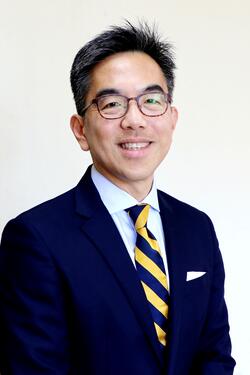
Charles Mok
-
Flyer for the 2026 Oksenberg Conference, titled "Coping with a Less Predictable United States," including an image of President Trump board Air Force One.

The content, consistency, and predictability of U.S. policy shaped the global order for eight decades, but these lodestars of geopolitics and geoeconomics can no longer be taken for granted. What comes next will be determined by the ambitions and actions of major powers and other international actors.

Some have predicted that China can and will reshape the global order. But does it want to? If so, what will it seek to preserve, reform, or replace? Choices made by China and other regional states will hinge on their perceptions of future U.S. behavior — whether they deem it more prudent to retain key attributes of the U.S.-built order, with America playing a different role, than to move toward an untested and likely contested alternative — and how they prioritize their own interests.

This year’s Oksenberg Conference will examine how China and other Indo-Pacific actors read the geopolitical landscape, set priorities, and devise strategies to shape the regional order amid uncertainty about U.S. policy and the future of global governance.
 

PANEL 1 

China’s Perceptions and Possible Responses 


Moderator 

Thomas Fingar 
Shorenstein APARC Fellow, Freeman Spogli Institute for International Studies, Stanford University 

Panelists 

Da Wei 
Professor and Director, Center for International Security and Strategy, Tsinghua University 

Mark Lambert 
Retired U.S. Department of State Official, Formerly China Coordinator and Deputy Assistant Secretary 

Susan Shirk 
Research Professor, School of Global Policy and Strategy, University of California San Diego 


PANEL 2 
Other Asia-Pacific Regional Actors’ Perceptions and Policy Calculations 


Moderator 

Laura Stone 
Retired U.S. Ambassador and Career Foreign Service Officer; Inaugural China Policy Fellow at APARC, Stanford University 

Panelists

Victor Cha 
Distinguished University Professor, D.S. Song-KF Chair, and Professor of Government, Georgetown University 

Katherine Monahan 
Visiting Scholar and Japan Program Fellow 2025-2026, APARC, Stanford University 

Kathryn Stoner 
Satre Family Senior Fellow, Freeman Spogli Institute for International Studies, Stanford University 

Emily Tallo 
Postdoctoral Fellow, Center for International Security and Cooperation, Stanford University 

Thomas Fingar, Laura Stone
Victor Cha, Da Wei, Mark Lambert, Katherine Monahan, Susan Shirk, Kathryn Stoner, Emily Tallo
Symposiums
Date Label
-
event image card

This talk examines how age and generational differences shape smartphone adoption patterns in South Korea, one of the world's most rapidly aging societies. Using discrete-time hazard models, the analysis investigates whether digital divides reflect temporary life stage effects or persistent generational differences that accompany cohorts throughout their lives. Preliminary results reveal striking heterogeneity both across and within age cohorts, suggesting that neither age nor cohort membership alone fully explains adoption patterns. Motivated by these findings, the talk concludes by introducing an age-period-cohort framework designed to separate the distinct effects of aging, different formative experiences (cohort effect), and changing environment (period effect) on technology adoption.

Speaker:

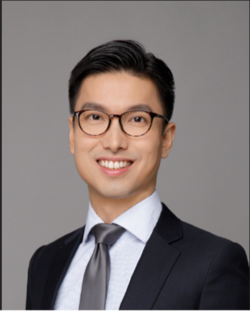
Jinseok Kim headshot

Jinseok Kim is a Visiting Postdoctoral Fellow at Stanford’s Shorenstein Asia-Pacific Research Center (APARC) and the Stanford Next Asia Policy Lab (SNAPL). His research examines economic decision-making and technology adoption through the lens of behavioral and applied microeconomics. Using econometric modeling and experimental approaches, he studies consumer behavior, innovation diffusion, and the interaction between policy, markets, and demographic change. His work contributes to understanding how psychological factors and institutional contexts shape economic choices and the adoption of new technologies.


Directions and Parking > 

Philippines Conference Room (C330)
Encina Hall, 3rd Floor
616 Jane Stanford Way, Stanford, CA 94305

Jinseok Kim, Visiting Postdoctoral Fellow, APARC, Stanford University
Seminars
Date Label
Paragraphs
Woman shopping in an outdoor market in Seoul, Korea


South Korea’s two-decade effort to establish local human rights protection systems through municipal ordinances shows significant progress: all 17 metropolitan governments and 54 percent of basic local governments have enacted human rights ordinances by 2024. Yet implementation remains uneven, with stark urban-rural and regional disparities.

Three factors impede development: absence of national human rights legislation, narrow and conflicting understandings of human rights (particularly regarding sexual minorities), and weak social consensus. Political orientation heavily influences outcomes, with conservative forces often opposing ordinances while progressive governments advance them. Several cases demonstrate how ordinances were abolished or weakened following electoral shifts.

The author, seeing strengthening local democracy as crucial for human rights advancement, calls for measures including electing rights-conscious leaders, ensuring resident participation, establishing dedicated human rights institutions, and building social consensus around protection systems. Local human rights committees and specialized bureaus—mandated by many ordinances but poorly implemented—must function as genuine governance bodies rather than rubber-stamp mechanisms.

Local democracy and human rights protection must develop simultaneously in a mutually reinforcing relationship, with democratic processes enabling rights advancement and robust rights protections strengthening democratic institutions.

All Publications button
1
Publication Type
Working Papers
Publication Date
Subtitle

The Case of South Korea

Authors
Joong-Seop Kim
Authors
Gi-Wook Shin
News Type
Commentary
Date
Paragraphs

This essay was first published by Seoul National University's Institute for Future Strategy. You can also view the Korean version.


Technological hegemony surrounding artificial intelligence (AI) has emerged as a central facet of national economies and security. Global competition among countries and corporations to secure high-level talent has intensified into a matter of survival. Worldwide demand for AI talent now exceeds supply by more than threefold. In Silicon Valley, AI dominates the discussion, and competition among big tech firms to attract talent is escalating. Ultimately, the rivalry between the United States and China will be decided not only by capital or technology but by who succeeds in attracting and retaining global talent.

In South Korea, concerns over talent outflows from Korea are growing. Last year, Korea ranked fourth among the 38 OECD countries in terms of AI talent outflow. Compared to other advanced economies, Korea’s AI industrial ecosystem remains underdeveloped, while overseas firms offer better compensation and research environments. The recent phenomenon of 56 Seoul National University professors relocating abroad over the past four years, a “new brain drain,” must be understood in this broader structural context.

This reality is also clearly reflected in the Global Talent Competitiveness Index, published annually by INSEAD. Korea ranked 31st this year, a position disproportionately low relative to its economic standing, and fell seven places compared to two years ago. In particular, Korea performed poorly in attracting and retaining talent, ranking 55th and 37th, respectively. These findings suggest that, beyond economic incentives, social, cultural, and environmental factors play a decisive role in talent mobility.

Korea’s talent outflow is especially alarming because it coincides with record-low fertility rates and rapid population aging. Before this convergence hardens into irreversible decline, Korea must establish a Ministry of Human Resources to oversee a comprehensive national talent strategy and devise systemic measures for talent development, attraction, and utilization.
 

Talent Portfolio Theory
 

Cover of the book "The Four Talent Giants" by Gi-Wook Shin.

In a recent book published by Stanford University Press, The Four Talent Giants, I proposed a framework titled “talent portfolio theory.” Just as financial investment strategies adopt a portfolio approach, national talent strategies should also be portfolio-based, emphasizing diversification to minimize risk and continuous adjustment (rebalancing). In other words, just as financial portfolios are composed of cash, stocks, real estate, and bonds, talent portfolios consist of four elements—the “4B's”: brain train, brain gain, brain circulation, and brain linkage.

Moreover, just as investors design different portfolios, each country’s talent portfolio varies depending on its economic needs as well as cultural and institutional contexts. Japan, Australia, China, and India (all discussed in the book) include all four B's but have constructed distinct portfolios that contributed to their respective economic development. A portfolio approach transcends the traditional binary of “brain drain versus brain gain” and offers a more comprehensive and flexible framework for understanding national talent strategy, one that is particularly relevant for Korea.

First, “brain train” refers to developing domestic human resources through education and training. It is a fundamental element of any portfolio. In Japan’s portfolio in particular, homegrown talent accounts for a large share. Japan has favored domestically educated and trained talent over foreign or overseas-trained individuals, making them the backbone of its economic development.

By contrast, Australia places greater emphasis on “brain gain.” Brain gain involves importing foreign labor, and approximately 30 percent of Australia’s workforce is foreign-born. Until the 1970s, Australia upheld the “White Australia” policy, but a major shift toward multiculturalism subsequently elevated brain gain to a central position in its portfolio. Brain gain pathways include the study-to-work route, where international students remain for employment, and the work-to-migration route, where individuals enter on work visas and later settle. Australia has effectively utilized both pathways.

“Brain circulation” involves bringing back nationals who were educated or employed abroad, and it has been critical to China’s portfolio. Following China’s opening in the 1980s, Chinese nationals came to represent the largest share of participants in the global talent market, including international students. Approximately 80 percent of them returned to China after the 2000s. Known as haigui (sea turtles), these returnees played prominent roles in China’s science, technology, education, and economy, supported by numerous central and local government programs designed to promote talent circulation.

“Brain linkage” refers to those who do not return home after studying or working abroad but instead serve as bridges between their host countries and their homeland. By leveraging their local networks, social capital, they support their home country from abroad, making this a key component of India’s portfolio. India refers to them as a “brain bank” or “brain deposit,” exemplified by leaders of Silicon Valley big tech firms such as Google CEO Sundar Pichai.

However, all talent portfolios carry inherent risks. When adjustment is delayed or fails, risks can escalate into crises with negative effects on the broader economy. The experiences of the four countries illustrate this point.

Japan has faced two major risks. A talent strategy centered on domestic talent weakened its global competitiveness, while demographic decline reduced its labor pool. Although Japan actively attracted foreign students to increase brain gain, its exclusive social and cultural environment limited their integration into the workforce after graduation. While there are many reasons behind Japan’s “lost 30 years” since the 1990s, one factor was its failure to adjust a portfolio overly concentrated on domestic talent in a timely manner.

Australia has confronted rising anti-immigration sentiment and tensions with China. Public concern grew over excessive immigration and perceived threats to national identity, prompting the government to tighten immigration policies. Amid conflict with China, Australia diversified its foreign talent sources from China to India and Southeast Asia. The pandemic, which restricted cross-border mobility, dealt a severe blow to Australia’s talent attraction efforts.

In China’s case, despite aggressive brain circulation policies, top-tier global talent has remained hesitant to return, as relinquishing careers built abroad is not easy. China accordingly shifted its focus toward brain linkage for these elite individuals. At the same time, brain circulation and linkage strategies became a source of friction with the United States, and rising anti-immigration and anti-China sentiment in the U.S. and Europe reduced opportunities for study and employment abroad. Recently, China has adjusted its portfolio to strengthen domestic talent development.

India, despite its strong brain linkage, remains vulnerable to brain drain. However, as economic opportunities expand domestically, return migration has increased, gradually reshaping its portfolio composition.
 

What Should Korea’s Talent Portfolio Strategy Be?


What, then, about Korea? Let us examine Korea’s situation by comparing it with the four countries through the lens of talent portfolio theory.

Brain train: Human resources have been critical to Korea’s economic development, with the government playing a central role. Key examples include preferential policies for technical and commercial high schools during the 1970s under the Park Chung Hee administration to support industrialization, and efforts to internationalize universities in the 1990s as part of globalization. While less dominant than in Japan, brain train has constituted a significant share of Korea’s talent portfolio.

Brain gain: Korea has imported low- and semi-skilled labor from China and Southeast Asia to fill so-called 3D jobs, but attraction of global high-level talent has remained limited. As in Japan, social exclusivity and cultural barriers continue to impede integration.

Brain circulation: Comparable to China, brain circulation has played a vital role in Korea’s economic development. Overseas education and experience have carried strong premiums, and China explicitly benchmarked Korea and Taiwan when designing its own policies.

Brain linkage: Compared to brain circulation, brain linkage has, until recently, occupied a relatively small share of Korea’s portfolio.

Facing the AI era, low fertility, and the crisis of a new brain drain, what strategy should Korea pursue in the global competition for talent? As noted above, rather than fragmented and ad hoc measures, Korea must comprehensively review and continuously adjust its talent strategy through a portfolio approach.

Brain train: Korea must cultivate talent for future industries, particularly in science and engineering. Training should be aligned with AI-related fields to better match university output with corporate demand. The excessive concentration of top students in medical schools must be corrected. Support mechanisms to retain domestic talent should be strengthened. A recent Bank of Korea survey of 1,916 science and engineering master’s and doctoral degree holders working domestically found that 42.9 percent of science and engineering master’s and doctoral graduates are considering overseas employment within three years—an alarming signal. While brain train will remain vital, its relative share is likely to decline.

Brain gain: As demographic crises intensify and the share of brain train diminishes, the necessity and importance of brain gain will grow. In particular, Korea must actively utilize the more than 300,000 foreign students currently in the country as human and social capital. At present, universities focus merely on filling enrollment quotas, and most foreign students either leave Korea immediately after graduation or remain employed only briefly. This, too, constitutes a form of brain drain. To increase the share of brain gain in the portfolio, foreign students must be managed holistically from selection to graduation and employment. While immigration is ultimately inevitable, it must be approached cautiously and deliberately, considering its impact on the domestic labor market and anti-immigration sentiment. Australia’s successful experience offers useful lessons.

Brain circulation: Although it occupies a relatively modest share of Korea’s portfolio, a certain level should be maintained. With declining numbers of students studying abroad and reduced inclination among overseas Koreans to return, care must be taken to prevent a sharp drop in this component. Otherwise, Korea risks losing global competitiveness, as Japan’s experience warns.

Brain linkage: Alongside brain gain, brain linkage is crucial to Korea’s portfolio adjustment. Key target groups include departing domestic talent (the new brain drain), foreign students, and the diaspora. Although their likelihood of reemployment in Korea is low, their potential for exchange and collaboration with Korea remains open. Like India, Korea should foster and support brain linkage by treating them as a “brain bank” or “brain deposit.”
 

Toward the Establishment of a Ministry of Human Resources


At the national level, a control tower is needed to design an optimal talent portfolio and make timely adjustments. Korea should establish a Ministry of Human Resources by consolidating functions currently dispersed across the Ministry of Education (universities and graduate schools), the Ministry of Science and ICT (R&D), and the Ministry of Employment and Labor (foreign employment support). It is worth recalling that Singapore, ranked first globally in talent competitiveness, established its Ministry of Manpower early on. Expanded and reorganized from the Ministry of Labor in 1998, it played a pivotal role in transforming Singapore into a talent powerhouse. Through education and development investments, Singapore strengthened domestic talent competitiveness while opening its doors to multinational talent, and it also implemented policies to promote talent circulation and linkage. From the perspective of talent portfolio theory, Singapore represents a successful case of diversification and continuous adjustment. In the increasingly fierce global competition for talent in the AI era, nations and firms that fall behind cannot secure their future. Korea is no exception.

Read More

Gi-Wook Shin seated in his office, speaking to the camera during an interview.
News

Sociologist Gi-Wook Shin Illuminates How Strategic Human Resource Development Helped Build Asia-Pacific Economic Giants

In his new book, The Four Talent Giants, Shin offers a new framework for understanding the rise of economic powerhouses by examining the distinct human capital development strategies used by Japan, Australia, China, and India.
Sociologist Gi-Wook Shin Illuminates How Strategic Human Resource Development Helped Build Asia-Pacific Economic Giants
College students wait in line to attend an information session at the Mynavi Shushoku MEGA EXPO in Tokyo, Japan.
News

A New Approach to Talent Development: Lessons from Japan and Singapore

Stanford researchers Gi-Wook Shin and Haley Gordon propose a novel framework for cross-national understanding of human resource development and a roadmap for countries to improve their talent development strategies.
A New Approach to Talent Development: Lessons from Japan and Singapore
Lawmakers and members of the South Korea's main opposition Democratic Party (DP) demonstrate against the country's president at the National Assembly on December 04, 2024 in Seoul, South Korea.
Commentary

South Korea’s Fractured Democracy: One Year After Martial Law

The country’s political polarization has metastasized. What can be done?
South Korea’s Fractured Democracy: One Year After Martial Law
Hero Image
Illustration of the four component of 'Talent Portfolio Theory' and technology concept.
Japan, Australia, China, and India include all four components (four B's) of a Talent Portfolio Theory – brain train, brain gain, brain circulation, and brain linkage – but have constructed distinct portfolios that contributed to their respective economic development.
Courtesy of the Institute for Future Strategy, Seoul National University.
All News button
1
Subtitle

To survive in the global competition for talent while facing the AI era, low fertility, and the crisis of a new brain drain, South Korea must comprehensively review and continuously adjust its talent strategy through a portfolio approach.

Date Label
-
Portrait of Sungchul Park

In February 2024, the South Korean government announced an expansion of medical school enrollment by 2,000 students to address physician shortages, prompting widespread opposition from the medical community. On February 19, 2024, over 90% of trainee doctors—representing approximately one-third of physicians at major teaching hospitals—resigned and launched a nationwide walkout that lasted until August 2025. This 18-month walkout constituted a major workforce shock in a universal, single-payer system and created a rare opportunity to evaluate effects on mortality, health care use, and spending. Hear from Prof. Park as he presents the results of a study on the impacts of the walkout.

Using a difference‑in‑differences design, the findings reveal significant increases in 30‑day and 90‑day in‑hospital mortality and in weekly all‑cause mortality. Health care utilization declined across inpatient and outpatient settings, with a greater relative reduction in hospital admissions. Hospitalizations dropped primarily for simple and general conditions, whereas admissions for complex conditions remained stable. Mean spending per hospitalization rose substantially, and spending per outpatient visit increased modestly. There was little evidence of systematic substitution of care from teaching hospitals to non‑teaching facilities or primary care settings. Overall, the nationwide trainee doctor walkout in South Korea was associated with higher mortality and lower health care utilization. These findings underscore the vulnerability of health systems to workforce disruptions and highlight the need for policies that strengthen staffing resilience, contingency planning, and communication mechanisms between the government and the medical workforce.

Speaker:

Image
Prof. Sungchul Park

Sungchul Park is an Associate Professor in the Department of Health Policy and Management at Korea University (Republic of Korea). He previously held tenure-track faculty positions at Drexel University (United States) and Ewha Womans University (Republic of Korea). As a health economist and health services researcher, he studies how to design better health care systems that deliver high-quality care at a reasonable cost while ensuring equitable access. His research evaluates the value of health care by assessing both costs and patient and population health outcomes and investigates payment and care delivery reforms, with an emphasis on value-based care. He also analyzes how emerging technologies, including artificial intelligence and digital health, affect cost, quality, access, and efficiency in health care. In addition, he compares health system performance across high-income countries, particularly OECD members, to identify policies that improve care and well-being.


Zoom

Sungchul Park, Associate Professor, Korea University, South Korea
Seminars
Image
Portrait of Sungchul Park
Date Label
-
Prof. Jessica Chen Weiss

Beneath Xi Jinping’s grand slogans of a “Chinese dream” and a “shared future for humankind,” there are internal tensions, debates, and competing interests that continue to shape China’s approach to the world. Through the lens of domestic politics, nationalism, and regime insecurity in China, Weiss will examine the evolving and contested landscape of what “China” wants. The talk will conclude with policy implications for the United States, prospects for peaceful coexistence, and the future of international order.

Speaker:

Image
Prof. Jessica Chen Weiss 1

Jessica Chen Weiss is the David M. Lampton Professor of China Studies at Johns Hopkins University's School of Advanced International Studies and the inaugural faculty director of the Institute for America, China, and the Future of Global Affairs (ACF) at SAIS. From August 2021 to July 2022, she served as senior advisor to the Secretary's Policy Planning Staff at the U.S. State Department on a Council on Foreign Relations Fellowship for Tenured International Relations Scholars (IAF-TIRS). Weiss is the author of Powerful Patriots: Nationalist Protest in China’s Foreign Relations (Oxford University Press, 2014). Her research appears in International Organization, China Quarterly, International Studies Quarterly, Journal of Conflict Resolution, Security Studies, Journal of Contemporary China, and Review of International Political Economy. With commentary in the New York Times, Washington Post, Foreign Affairs, Los Angeles Times, and the Ezra Klein show, Weiss was profiled by the New Yorker and named one of Prospect Magazine's Top Thinkers for 2024. Weiss is also a nonresident senior fellow at the Asia Society Policy Institute Center for China Analysis and previously the Michael J. Zak Professor for China and Asia-Pacific Studies at Cornell University and an assistant professor at Yale University. She founded FACES, the Forum for American/Chinese Exchange at Stanford University. Born and raised in Seattle, Washington, she received her Ph.D. from the University of California, San Diego.


Directions and Parking > 

Philippines Conference Room (C330)
Encina Hall, 3rd Floor
616 Jane Stanford Way, Stanford, CA 94305

Jessica Chen Weiss, David M. Lampton Professor of China Studies Faculty Director, Institute for America, China, and the Future of Global Affairs Johns Hopkins School of Advanced International Studies
Seminars
Date Label
Subscribe to South Korea