Authors
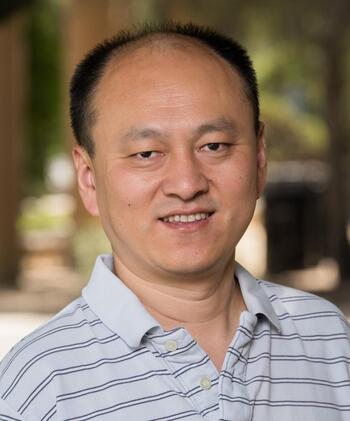
Jean C. Oi
News Type
Commentary
Date
Paragraphs

This commentary was first published in The Hill.


The future sustainability of the Earth cannot do without the coordinated actions of its two largest carbon polluters — the United States and China.

The most recent highlight in that realm is the U.S.-China Joint Glasgow Declaration on Enhancing Climate Action in the 2020s at the UN climate change conference COP26 in November 2021. The joint statement, which came during a turbulent time in U.S.-China relations, was both surprising and valued. The declaration reaffirms both nations’ commitment to “tackling [climate change] through their respective accelerated actions in the critical decade of the 2020s, as well as through cooperation in multilateral processes.”

The declaration also calls for “concrete actions in the 2020s to reduce emissions aimed at keeping the Paris Agreement-aligned temperature limit within reach,” including in the areas of methane reduction, decarbonization and forest protection. 

While the declaration represents a promising step forward and offers reassurances about new momentum for sustained future cooperation, it offers few details regarding concrete plans, nor the opportunities and challenges to enact and implement those plans.

Last fall, we at Stanford University partnered with Peking University to convene a series of discussions on a broad range of themes around U.S.-China collaboration on climate change, such as global sustainable finance, corporate climate pledges, as well as opportunities and challenges for the acceleration of decarbonization in both countries in general — both nationally and by sector — with particular emphasis on power, transportation and industry. The outcomes and insights were synthesized in a report on how to accelerate decarbonization in China and the United States, in which we highlight two urgent recommendations to facilitate constructive cooperation between both nations as they tackle growing environmental challenges.


Sign up for APARC newsletters to receive our experts' commentary and analysis.

U.S.-China scientific collaboration in fundamental research can be an invaluable tool to build both nations’ capacity in addressing climate change, including protecting supply chains essential for meeting pledged goals, amid rising geopolitical tensions.

First, we need open-science research and development (R&D) collaboration.

This must be the case regardless of the politicized environment surrounding U.S.-China relations. Rigorous R&D programs are the foundation of innovative technologies, which can greatly accelerate the energy transition while minimizing disruptions if applied at scale.

Some promising areas for R&D include, but are not limited to, energy-efficient buildings utilizing heat pumps; low-carbon cement and construction; low-carbon agriculture, carbon capture, utilization, and storage (CCUS); power grid infrastructure upgrades; large-scale and long-duration energy storage; and methane leakage prevention and removal. 

Unfortunately, U.S.-China cooperation on R&D has been thwarted due to Chinese companies’ theft of proprietary U.S. intellectual property. According to estimates by the National Bureau of Asian Research, U.S. companies incur a loss of between U.S. $225 billion to $600 billion every year due to intellectual property infringement in China. Piracy of intellectual property is of grave concern and must be curbed. 

However, the two countries need to realize the crucial difference between fundamental research and proprietary research. Proprietary research, by definition, is owned and must receive its due protection. By contrast, fundamental or basic research is intended to be “out there” for all to learn and build on in advancing the understanding or prediction of phenomena. Therefore, fundamental research should be pursued under terms of academic freedom, especially within universities.

U.S.-China scientific collaboration in fundamental research can be an invaluable tool to build both nations’ capacity in addressing climate change, including protecting supply chains essential for meeting pledged goals, amid rising geopolitical tensions. 

Common terminology and standards will provide a basis for carbon legislation. Having clearly stipulated standards and procedures can also make implementation easier and more straightforward.

Second, we need to be explicitly cognizant of political and institutional constraints.

This is necessary in order to translate promises into progress while protecting social benefits and their equitable distribution amid the green energy transition. As noted in both the joint declaration and our report, bilateral dialogues so far remain very high-level. We need future discussions and workshops at the sectoral and local levels to develop concrete plans. In enacting and implementing concrete plans, political and institutional constraints can pose real obstacles, as demonstrated by China’s past and ongoing efforts to control air pollution.

Hence, strong support from both national and local governments will be critical. As a first step, we need to gain a good understanding of who the relevant actors are in both policymaking and implementation and the incentives they face.

In this period of transition when there are still regional mismatches between energy supply and demand, it is too easy to let short-term needs push climate mitigation goals to the bottom of the barrel to address regional energy shortages. In both countries policymakers and those charged with implementation face multiple and sometimes conflicting goals. The prioritization of goals is shaped by incentive structures. Fostering incentive structures conducive to decarbonization is particularly important during the transitional period when consensus around goals and priorities is less clear. 

Furthermore, it is time to standardize standards. A recurring theme across our discussions is the need for shared, clearly specified regulatory frameworks and standards across both nations. Harmonizing standards will expedite trade, validation, accounting, climate pledges and environmental, social and corporate governance (ESG) evaluation.

Only if there is standardization can organizations be required to follow unified disclosure practices for making available important information like the amount of carbon emitted. We need to make and implement more legislation to encourage a faster pace of decarbonization, and having unified terminology and standards is conducive to both effective carbon legislation and policy implementation. Common terminology and standards will provide a basis for carbon legislation. Having clearly stipulated standards and procedures can also make implementation easier and more straightforward. 

Last but not least, we are hopeful about the future of U.S.-China cooperation on climate change and believe that universities can play a significant role in the global energy transition. Universities are often the birthplaces of innovative technology, training grounds for talent from across the globe, as well as conveners of bilateral and multilateral dialogues. We hope the governments on both sides of the Pacific will work together to hammer out the needed details to build the momentum and make a real impact in the fight against global climate change. 


Shiran Victoria Shen is the W. Glenn Campbell and Rita Ricardo-Campbell national fellow at Stanford University’s  Hoover Institution, as well as an assistant professor of environmental politics at the University of Virginia. 

Jean C. Oi is the William Haas professor of Chinese politics, senior fellow at the Freeman Spogli Institute of International Studies, as well as the director of Stanford University’s China Program. She is also the Lee Shau Kee director of the Stanford Center at Peking University. 

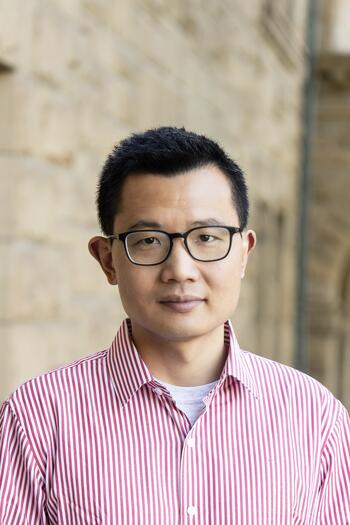
Yi Cui is the director of Stanford University’s Precourt Institute for Energy, as well as professor of materials science and engineering. He is a senior fellow at the Woods Institute for the Environment, and professor, by courtesy, of Chemistry, Stanford University. 

Liang Min is managing director of the Bits & Watts Initiative of the Precourt Institute for Energy at Stanford University. 

Read More

Cover of the report 'Accelerating Decarbonization in China and USA through Bilateral Collaboration'
News

Collaborating Against Carbon: Stanford and Peking University Partner on Decarbonization Research

A report on China and the United States' decarbonization and carbon neutrality proposes areas of collaboration on climate change action, global sustainable finance, and corporate climate pledges. The report is the product of roundtables with participants from the Stanford Precourt Institute for Energy, SCPKU, APARC's China Program, and Peking University’s Institute of Energy.
Collaborating Against Carbon: Stanford and Peking University Partner on Decarbonization Research
Vladamir Putin and Xi Jinping shake hands.
Commentary

Beijing Is Used to Learning from Russian Failures

The invasion of Ukraine is offering useful lessons for the PLA.
Beijing Is Used to Learning from Russian Failures
Hero Image
Benxi steel plant
Benxi steel plant in Liaoning Province, China.

Andreas Habich via Wikimedia Commons
All News button
1
Subtitle

There are multiple, concreate areas for constructive cooperation between the United States and China as they tackle growing environmental challenges.

Authors
Oriana Skylar Mastro
News Type
Commentary
Date
Paragraphs

This commentary first appeared in Foreign Policy.

Russia’s invasion of Ukraine has been a double disaster for President Vladimir Putin, as he faces a poorly performing military combined with an inability to shield his country from economic punishment. Both of these possibilities historically have also been sources of apprehension for the Chinese Communist Party (CCP). But China’s leadership turned its anxiety into action about 10 years ago, deliberately working to fix many of the problems and minimize the risks currently plaguing Russia in Ukraine.

One result is that the Chinese military is more likely to perform well even though it has not fought a war since 1979, when it lost thousands of troops in a punitive but brief invasion of Vietnam. Adding to that, China’s economy is both far larger and deliberately more diversified than Russia’s. A sanctions effort like the one presently aimed at Russia would be much harder to sustain against China. These two observations do not mean deterrence won’t hold, only that the unfolding events in Ukraine will likely do little to make Beijing more cautious.

Nearly everyone overestimated Russia’s military capabilities—including probably Putin himself. During its invasion of Ukraine, Russia’s air-ground coordination has been ineffective, and Russian forces have shown risk-adverse tendencies in the air. Russia has also struggled with logistics and keeping its military supplied. Notably, it appears that Russia acted on bad intelligence and therefore did not believe initial strikes that maxed out its firepower were necessary. Furthermore, many Russian weapons platforms are outdated (for example, its Cold War-era tanks), and modern Su-57 fighter jets and T-14 Armata tanks only exist in comparatively small numbers.

The Chinese military used to clearly exhibit the same deficiencies. But over the past decade, it has embraced significant reforms, creating a much more capable fighting force that should give even the United States pause.


Sign up for APARC newsletters to receive our experts' commentary and analysis.


Chinese President Xi Jinping identified similar training and competency issues [to the human element of Russia’s failures in Ukraine] in the PLA 10 years ago. But under his command, the PLA has been proactively implementing significant reforms to avoid similar pitfalls.

First, while Russia allowed its conventional capabilities to atrophy, Chinese military spending has exploded over the past three decades, increasing by 740 percent (in comparison to Russia’s 69 percent) from 1992 to 2017. According to data from the Stockholm International Peace Research Institute, China spent almost four times on its military in 2020 than Russia ($244.9 billion to $66.8 billion). In 1999, less than 2 percent of its fighter jets were fourth-generation, 4 percent of its attack submarines were modern, and none of its surface ships were. Twenty years later, not only did China have much more of everything, but the majority was the most advanced, modern versions available—with China exhibiting advantages over Russia, even in combat aircraft, a traditional area of weakness for China.

Indeed, People’s Liberation Army (PLA) commentators often refer to China’s economic might as one of the reasons their military would outperform Russia’s—Russia has been “stingy” with its military modernization and production of precision-guided munitions primarily because of a lack of resources. By contrast, China has more than 2,200 conventionally armed ballistic and cruise missiles, making the PLA Rocket Force the world’s largest ground-based missile force. Estimates place the number of missiles positioned against Taiwan alone at around 1,000.

Russia’s poor performance does remind us that it takes more than just a lot of fancy systems to win a war (though having more advanced systems and more of them surely would have helped). The human element of Russia’s failures is front and center. Putin probably did not have an open and honest communication channel with the military, which was fearful of providing unfavorable information to the erratic leader. Russian troops were largely considered incompetent, but Putin thought superior technology could overcome human deficiencies.

Chinese President Xi Jinping identified similar training and competency issues in the PLA 10 years ago. But under his command, the PLA has been proactively implementing significant reforms to avoid similar pitfalls. And unlike Putin, who apparently believed technology could overcome deficiencies in personnel, Xi came to the opposite conclusion. When he came to power, he took one look at the military and recognized that with all its fancy equipment, the PLA probably could not fight and win wars and perform the missions it had been assigned. Of particular importance, according to China’s national military strategy, was to fight local wars under informationalized conditions. This meant that the network between platforms and people—the ease of connectivity—was the main feature of modern warfare. China needed the best equipment; an advanced command, control, computers, communication, intelligence, surveillance, and reconnaissance (C4ISR) network; and tons of precision-guided munitions. But perhaps most importantly, it needed troops that could leverage these systems to conduct seamless operations across services and top-down through the chain of command.

The Chinese military is learning lessons from Ukraine, whether it is to stockpile more precision-guided munitions, ensure solid command and control, or cut off internet access [...], which will only serve to improve its warfighting capability in the future.

What followed was a series of slogans—the two incompatibles, two inabilities, two big gaps, the five incapables—all designed to point out the organizational and personnel issues of the military and focus leadership attention and resources on fixing the issue. A massive military reorganization followed with moves such as reorganizing effective combat units to be smaller so that they can mobilize more quickly and can remain self-sufficient for long periods of time. This means, in contrast with the Russian military, the PLA will likely have less reliance on generals at the front lines. China also established theater commands to facilitate joint operations and prioritized realism in its military exercises to help it prepare for real combat. Part of all of this was Xi’s demand that the military communicate its failures and weaknesses so that they could be addressed. Moreover, to improve command and control, China has moved toward engaging in multidomain joint operations all while standing up a new joint operations center that will ensure that, unlike with the Russian military, orders will be communicated and understood at the lowest levels. Indeed, the main reason that Xi has not yet made a play for Taiwan is likely his desire to hone this command and control structure and practice joint operations in realistic conditions for a few more years—a cautious and pragmatic approach that the situation in Ukraine only encourages further.

The PLA itself acknowledges that it still has some distance to go with training, particularly with regard to joint operations, but it looks as if the hard work is paying off. The complexity and scale of China’s national military exercises are eye-opening. It takes a great deal of planning, synchronization, and coordination to take service-level operations to the joint level. China appears to have made great strides in this area. The United States has observed, for example, China executing deep-attack air operations in its exercises that have combined intelligence, surveillance, and reconnaissance (ISR) with multi-domain strike; lift for rapid mobility and advanced fighter manuevers. Russia has relied heavily on artillery and tanks, now and historically, while the PLA is showing a more balanced approach to combined arms operations.

For all these reasons, we should not expect the Chinese military to perform as poorly in its first real military operation since 1979. The PLA is structurally superior to the Russian military. And the Chinese know it. Granted, it’s hard to know whether some of the outlandish claims in the Chinese media are true—that the PLA Air Force would actually “be able to take out the Ukrainian air force in one hour.” But one thing is for certain—the Chinese military is learning lessons from Ukraine, whether it is to stockpile more precision-guided munitions, ensure solid command and control, or cut off internet access to prevent the leaking of information to the West, which will only serve to improve its warfighting capability in the future.

That does not mean it’s perfect. China is still in the process of building its corps of noncommissioned officers, recruiting more college graduates and technical experts so as to be less reliant on conscripts and shift away from an officer-heavy structure. Also, there is always the possibility that Xi’s anti-corruption campaign, which has impacted even the highest levels of the military, may begin to impinge on these reforms. But to date, it seems that those against necessary reforms have been largely targeted. In other words, Xi has not had to choose yet between his goals of consolidating domestic power and the professionalization of the armed forces.

The economic side is less about what has happened in the past six weeks than what will happen in the next six months or even six years. As tempting as it is in the case of Russia’s invasion, the impact of economic sanctions cannot be properly evaluated over a short time period. The need for a longer time horizon also applies to Russia-China economic comparisons, as it will generally require more extensive and more durable sanctions to deter or compel China than it would Russia.

Russia is thought, at least, to be highly vulnerable to sanctions applied to date. And it is certainly the case that China can be harmed by sanctions. Beijing is more integrated in global trade and finance than Moscow and thus has more to lose. But integration cuts both ways—compared with Russia, more countries would be harmed to a greater extent by equivalent actions taken against China. Further, China has demonstrated greater capacity to weather extended economic blows. This combination of features reduces the willingness of the United States and others to enforce durable sanctions, a fact that Beijing well appreciates.

The CCP survived three decades of worse poverty than experienced by the Soviet Union at the time, a self-inflicted depression in 1989-90 paralleling in some respects the events that ended the Soviet Union, the global financial crisis, and another partly self-inflicted economic wound via China’s determination to maintain its zero-COVID policy in 2021-22.

During more recent events, Beijing has been able to mobilize first greater capital resources than Moscow and then far greater. In 2020, the World Bank put China’s gross fixed capital formation at 20 times Russia’s. Xi attacked some of China’s richest citizens, as well as other elements of the private sector, in part because he believed them too intertwined with foreign capital. These were voluntary steps by China that mirror how the world currently seeks to punish Russia. Whatever their wisdom, Xi knows China can afford them, while Russia’s capability is in doubt.

Some Russian foreign reserves have been effectively frozen and some financials excluded from the Society for Worldwide Interbank Financial Telecommunication (SWIFT), limiting international transactions. In the short term, these steps could have a similar impact on China, but they would be much harder to sustain.

Beijing has conducted currency swaps with dozens of countries that will want their renminbi to be useful. China also holds foreign government bonds in amounts that countries cannot ignore. U.S. Treasurys see the largest holdings, but there are also sizable quantities of Japanese government bonds, for instance. With official Chinese reserves upwards of $3 trillion, perhaps five times Russia’s, a partial freeze would quickly wear on governments and firms looking for bond buyers.

For any SWIFT restrictions that interfere with outbound U.S. portfolio investment, that volume stood at $85 billion in Russia and $1.15 trillion in China in 2020. The stock of U.S. direct investment was 10 times higher in China than Russia—companies willing to exit Russia would face leaving a lot more behind in a China contingency. Most broadly, the yuan can erode the role of the dollar; the ruble certainly cannot. Beijing lacks the will to allow free movement of the yuan and make it a true reserve currency, but heavy, durable sanctions might change that.

On the goods side, existing pressure to spare Russian vital exports would be more intense in China’s case. The loss of Russian oil and gas exports of $230 billion in 2021 threatens energy markets. Chinese exports are at least as important within chemicals, textiles, household appliances, industrial machinery, and consumer electronics. Would they all be exempted?

Certain Russian exports, such as palladium, play supply chain roles beyond their direct financial value. As expected from its manufacturing and export volumes, China’s supply chain participation is far larger than Russia’s, extending from inputs crucial to global pharmaceuticals to processed rare earths crucial to clean-energy applications. Russian ships have been banned from some ports. By tonnage, Russia accounts for a bit over 1 percent of the world’s commercial fleet, while China accounts for more than 11 percent. Banning Chinese ships would cause seaborne trade to noticeably contract, hitting supply chains that would already be strained by the diversion of Chinese goods.

Even an area of clear Russian advantage—lower import dependence—is double-edged. Inhibiting Chinese imports of iron ore or integrated circuits, for example, would hit the country hard. But China is such a huge purchaser that many producers would refuse to join a sustained embargo against it. As elsewhere, the barriers to Russian imports adopted thus far could hurt China only in the unlikely event that they are maintained for many months.

From how to remain in power to how to advance on the international stage, militarily and economically, the CCP has been learning what not to do from the Russian or Soviet experience for decades. Chinese strategists are unquestionably evaluating whether the nature of warfare has changed or if they failed to consider some critical factors necessary for success. Chinese economists are certainly looking to identify missed vulnerabilities based on how the economic dimension of the war in Ukraine plays out—and will work to address them to prevent exploitation by the United States and others.

Not that it will all be easy for Beijing. But China is already better prepared than Russia, economically and militarily. The steps to support Ukraine and punish Russia are immediately less potent in a China contingency. And an unfortunate side effect of the tragedy in Ukraine is that China has a relatively low-cost opportunity to learn—it may become a more formidable challenger than it would’ve been otherwise. The United States and its allies should realize that their effectiveness with regard to Russia is highly unlikely to translate. In a Taiwan contingency, the United States must be able to immediately implement both a stronger package of actions aimed at China and also a second package aimed at minimizing the long-term cost of the first.

Read More

Protesters display placards in front of the Representative Office of the Moscow-Taipei Coordination Commission to protest against Russia’s military invasion of Ukraine on February 25, 2022 in Taipei, Taiwan.
Commentary

Invasions Are Not Contagious

Russia’s War in Ukraine Doesn’t Presage a Chinese Assault on Taiwan
Invasions Are Not Contagious
millward
News

Unpacking the Crisis in Xinjiang: James Millward on China's Assimilationist Policies and U.S.-China Engagement

APARC Visiting Scholar James Millward discusses PRC ethnicity policy, China's crackdown on Uyghur Muslims and other minorities in Xinjiang province, and the implications of the Xinjiang crisis for U.S. China strategy and China's international relations.
Unpacking the Crisis in Xinjiang: James Millward on China's Assimilationist Policies and U.S.-China Engagement
Hero Image
Vladamir Putin and Xi Jinping shake hands.
All News button
1
Subtitle

The invasion of Ukraine is offering useful lessons for the PLA.

Date Label
-

Prof. Yang discusses two current research projects:


AI-tocracy 
Can frontier innovation be sustained under autocracy? We argue that innovation and autocracy can be mutually reinforcing when: (i) the new technology bolsters the autocrat’s power; and (ii) the autocrat’s demand for the technology stimulates further innovation in applications beyond those benefiting it directly. We test for such a mutually reinforcing relationship in the context of facial recognition AI in China. To do so, we gather comprehensive data on AI firms and government procurement contracts, as well as on social unrest across China during the last decade. We first show that autocrats benefit from AI: local unrest leads to greater government procurement of facial recognition AI, and increased AI procurement suppresses subsequent unrest. We then show that AI innovation benefits from autocrats’ suppression of unrest: the contracted AI firms innovate more both for the government and commercial markets. Taken together, these results suggest the possibility of sustained AI innovation under the Chinese regime: AI innovation entrenches the regime, and the regime’s investment in AI for political control stimulates further frontier innovation.

Exporting the Surveillance State via Trade in AI 
What are the international ramifications of China’s emergent leadership in facial recog- nition AI? We collect global data on facial recognition AI trade deals and document two facts. First, we show that China has a comparative advantage in this technology. It exports substantially more facial recognition AI than other countries, and particularly so as compared to other frontier technologies. This comparative advantage may stem in part from the Chinese government’s larger demand for the technology for do- mestic surveillance and political control — a form of “home-market” effect — as well as Chinese firms’ access to large government datasets. Second, we find that there is a political bias in China’s facial recognition AI exports. It is more likely to export this technology to autocracies and weak democracies relative to other frontier technologies, in particular to those lacking domestic AI innovation or experiencing political unrest. No such bias is observed for the United States. To the extent that China may be exporting its surveillance state via trade in AI, this can enhance and beget more autocracies abroad. Policymakers should thus frame AI trade regulations around regulations on products with global externalities.


Watch the Recording:


About the Speaker

Image
David Yang

David Y. Yang is an Associate Professor in the Department of Economics at Harvard University, a Faculty Research Fellow at NBER and a Global Scholar at CIFAR. David’s research focuses on political economy, behavioral and experimental economics, economic history, and cultural economics. In particular, David studies the forces of stability and forces of changes in authoritarian regimes, drawing lessons from historical and contemporary China. David received a B.A. in Statistics and B.S. in Business Administration from University of California at Berkeley, and PhD in Economics from Stanford.


This event will be held in-person at Stanford University, however, the lecture will be recorded. If you are interested in viewing the recording, please contact Debbie Aube.

Questions? Contact Debbie Aube at debbie.aube@stanford.edu


Encina Hall, Stanford University

David Y. Yang
Seminars
-

SCCEI Spring Seminar Series 


Wednesday, May 25, 2022      11:00 am -12:15 pm Pacific Time

Philippines Room, C330, 3rd Floor, Encina Hall Central, 616 Jane Stanford Way | Zoom Meeting 


Economic Inequality and Social and Demographic Outcomes in China

In this talk, Professor Yu Xie will first document a sharp rise in economic inequality in contemporary China. He then will present results from his research program on the impact of rising economic inequality on a variety of social and demographic outcomes in China: intergenerational mobility, marriage age, marriage partner choice, fertility, and mortality. 


About the Speaker

Image
Yu Xie photo

Yu Xie is Bert G. Kerstetter ’66 University Professor of Sociology and has a faculty appointment at the Princeton Institute of International and Regional Studies, Princeton University. He is also a Visiting Chair Professor of the Center for Social Research, Peking University. His main areas of interest are social stratification, demography, statistical methods, Chinese studies, and sociology of science.

Xie's recently published works include: Marriage and Cohabitation (University of Chicago Press 2007) with Arland Thornton and William Axinn, Statistical Methods for Categorical Data Analysis with Daniel Powers (Emerald 2008, second edition), and Is American Science in Decline? (Harvard University Press, 2012) with Alexandra Killewald. Xie joined Princeton University in 2015, after 26 years at the University of Michigan, most recently as the Otis Dudley Duncan Distinguished University Professor of Sociology, Statistics and Public Policy and a research professor in the Population Studies Center at Michigan's Institute for Social Research. He is also a member of the American Academy of Arts and Sciences, Academia Sinica and the National Academy of Sciences.


Seminar Series Moderators

Image
Headshot of Dr. Scott Rozelle

Scott Rozelle is the Helen F. Farnsworth Senior Fellow and the co-director of Stanford Center on China's Economy and Institutions in the Freeman Spogli Institute for International Studies and Stanford Institute for Economic Policy Research at Stanford University.  For the past 30 years, he has worked on the economics of poverty reduction. Currently, his work on poverty has its full focus on human capital, including issues of rural health, nutrition and education. For the past 20 year, Rozelle has been the chair of the International Advisory Board of the Center for Chinese Agricultural Policy, Chinese Academy of Sciences (CAS). Most recently, Rozelle's research focuses on the economics of poverty and inequality, with an emphasis on rural education, health and nutrition in China. In recognition of this work, Dr. Rozelle has received numerous honors and awards. Among them, he became a Yangtse Scholar (Changjiang Xuezhe) in Renmin University of China in 2008. In 2008 he also was awarded the Friendship Award by Premiere Wen Jiabao, the highest honor that can be bestowed on a foreigner.  
 

Image
hongbin li headshot

Hongbin Li is the Co-director of Stanford Center on China's Economy and Institutions, and a Senior Fellow of Stanford Institute for Economic Policy Research (SIEPR) and the Freeman Spogli Institute for International Studies (FSI). Hongbin obtained his Ph.D. in economics from Stanford University in 2001 and joined the economics department of the Chinese University of Hong Kong (CUHK), where he became full professor in 2007. He was also one of the two founding directors of the Institute of Economics and Finance at the CUHK. He taught at Tsinghua University in Beijing 2007-2016 and was C.V. Starr Chair Professor of Economics in the School of Economics and Management. He founded the Chinese College Student Survey (CCSS) in 2009 and the China Employer-Employee Survey (CEES) in 2014.

Hongbin’s research has been focused on the transition and development of the Chinese economy, and the evidence-based research results have been both widely covered by media outlets and well read by policy makers around the world. He is currently the co-editor of the Journal of Comparative Economics.


A NOTE ON LOCATION

This seminar is a hybrid event. Please join us in person in the Philippines Room, C330, located within Encina Hall Central on the 3rd floor, or join remotely via Zoom.

Register once to receive the Zoom meeting link that will be used for all lectures in this series.

Questions? Contact Debbie Aube at debbie.aube@stanford.edu


Scott Rozelle
Hongbin Li

Hybrid Event: Philippines Room, C330, 3rd Floor of Encina Hall Central | Zoom Meeting

Yu Xie
Seminars
Authors
Larry Diamond
News Type
Commentary
Date
Paragraphs

In these next few minutes, I’d like to reflect on the moment we are at in world history, and what it means for the future of democracy. I know you have already heard a lot today, and will hear more tomorrow, about the war in Ukraine and its global implications. Here is my perspective.

Russia’s brutal and unprovoked aggression against Ukraine, which is now about to enter its seventh week, is the most important event in the world since the end of the Cold War.  9/11 changed our lives in profound ways, and even changed the structure of the U.S. Government. It challenged our values, our institutions, and our way of life. But that challenge came from a network of non-state actors and a dead-end violent jihadist ideology that were swiftly degraded. The Russian invasion of Ukraine, and the larger rising tide of authoritarian power projection, represent the return of great power competition. And more, they denote a new phase of what John F. Kennedy called in his 1961 inaugural address a “long twilight struggle” between two types of political systems and governing philosophies. Two years after JFK’s address, Hannah Arendt put it this way in her book, "On Revolution":

No cause is left but the most ancient of all, the one, in fact, that from the beginning of our history has determined the very existence of politics, the cause of freedom vs. tyranny.

That is what the war in Ukraine, the war FOR Ukraine, is about: not about Ukraine someday joining NATO, but about Ukraine — a country so important to Russia’s cultural heritage and historical self-conception — becoming a free country, a functioning liberal democracy, and thus a negation of and an insult to everything that Vladimir Putin and his kleptocratic Kremlin oligarchy cynically represent.

But it is not simply a “Resurrected Russia” (as Kathryn Stoner has termed it) that is counterposed to the global cause of freedom. The greater long-term threat comes from China’s authoritarian Communist party-state. China has the world’s fastest growing military and the most pervasive and sophisticated system of digital surveillance and control. Its pursuit of global dominance is further aided by the world’s most far-reaching global propaganda machine and a variety of other mechanisms to project sharp power — power that seeks to penetrate the soft tissues of democracy and obtain their acquiescence through means that are covert, coercive, and corrupting. It is this combination of China’s internal repression and its external ambition that makes China’s growing global power so concerning. China is the world’s largest exporter, its second largest importer, and its biggest provider of infrastructure development. It is also the first major nation to deploy a central bank digital currency; and it is challenging for the global lead in such critical technologies as AI, quantum computing, robotics, hypersonics, autonomous and electric vehicles, and advanced telecommunications.


A narrative has been gathering that democracies are corrupt and worn out, lacking in energy, purpose, capacity, and self-confidence. This has been fed by real-world developments which have facilitated the rise of populist challengers to liberal democracy.
Larry Diamond
Mosbacher Senior Fellow in Global Democracy at FSI

While China now innovates in many of these technologies, it also continues to acquire Western intellectual property through a coordinated assault that represents what former NSA Director General Keith Alexander calls “the greatest transfer of wealth in human history.” And every technological innovation that China can possibly militarize it does, through a strategy of “civil-military fusion.” With this accumulated power, Beijing plans to force Asia’s most vibrant liberal democracy, Taiwan, to “reunify with the motherland.” It also seeks to establish unilateral Chinese control over the resources and sea lanes of the South China Sea, and then gradually to push the United States out of Asia.

Russia’s aggression must be understood in this broader context of authoritarian coordination and ambition, challenging the values and norms of the liberal international order, compromising the societal (and where possible, governmental) institutions of rival political systems, and portraying Western democracies — and therefore, really, democracy itself — as weak, decadent, ineffectual, and irresolute. In this telling, the democracies of Europe, Asia, and North America — especially the United States — are too commercially driven, too culturally fractured, too riven by internal and alliance divisions, too weak and effeminate, to put up much of a fight.

At the same time, China, Russia, and other autocracies have been denouncing the geopolitical arrogance of the world’s democracies and confidently declaring an end to the era in which democracies could “intervene in the internal affairs of other countries” by raising uncomfortable questions about human rights. 

On the eve of the Beijing Winter Olympics on February 4, Vladimir Putin and Xi Jinping issued a joint statement denouncing Western alliances and declaring that there were no limits to the strategic partnership between their two countries. Many analysts believe Putin told Xi then that he was about to invade Ukraine and that Xi probably said, okay, just wait till the Olympics are over and make it quick. 

Four days after Xi’s closing Olympics fireworks display, Putin launched his own fireworks by invading Ukraine. It has been anything but successful or quick. Xi cannot possibly be pleased by the bloody mess that Putin has made of this, which helps to explain why China twice abstained in crucial UN votes condemning the Russian invasion, rather than join the short list of countries that stood squarely with Russia in voting no: Belarus, Eritrea, Syria, and North Korea. Xi must think that Putin’s shockingly inept and wantonly cruel invasion is giving authoritarianism a bad name.


Russia’s aggression must be understood in this broader context of authoritarian coordination and ambition, challenging the values and norms of the liberal international order and portraying Western democracies as weak.
Larry Diamond
Mosbacher Senior Fellow in Global Democracy at FSI

It is also costing China a lot of money in global trade at a time when China’s economic growth rate has slowed dramatically. And it’s undermining the narrative China was trying to push that the autocracies know what they are doing and represent the wave of the future. Moreover, this is coming at a moment when one of China’s two most important cities, Shanghai, is gripped by panic and a substantial lockdown over the Covid-19 virus, which Xi’s regime has no other means to control except lockdown, because it has refused to admit that the vaccines it developed are largely ineffective against the current strains of Covid, and instead import the vaccines that work.

All of this explains why this moment could represent a possible hinge in history as significant as the 1989-91 period that ended the Cold War. 2021 marked the fifteenth consecutive year of a deepening democratic recession. In both the older democracies of the West and the newer ones of the global South and East, the reputation of democracy has taken a beating. A narrative has been gathering that democracies are corrupt and worn out, lacking in energy, purpose, capacity, and self-confidence. And this has been fed by real-world developments, including the reckless and incompetent US invasion of Iraq, the 2008 financial crisis, steadily rising levels of economic inequality, widespread job losses, economic insecurity and status anxiety due to globalization and technological change, and the challenges of managing cultural diversity amid expanding immigration. These factors have fed or at least facilitated the rise of populist challengers to liberal democracy and the decay of democratic norms and institutions across many democracies — rich, poor, and middle-income. 

The Germans have a word for these trends in the global narrative:  “zeitgeist” — the spirit of the times, or the dominant mood and beliefs of a historical era. In the roughly 75 years since WWII, we have seen five historical periods, each with their own dominant mood. From the mid-1940s to the early 60s, the mood had a strong pro-democracy flavor that went with decolonization. It gave way in the mid-1960s to post-colonial military and executive coups, the polarization and waste of the Vietnam War, and a swing back to realism, with its readiness to embrace dictatorships that took “our side” in the Cold War. Then, third, came a swing back to democracy in southern Europe, Latin America, and East Asia, and a new wave of democracy, from the mid-1970s to around 1990. That period of expanding democracy was then supercharged by a decisively pro-democratic zeitgeist from 1990 to 2005, the so-called unipolar moment in which one liberal democracy, the U.S., predominated. That period ended in the Iraq debacle, and for the last 15 years, we have been in the tightening grip of a democratic recession and a nascent authoritarian zeitgeist. 

Could Russia’s criminal, blundering invasion of Ukraine launch a new wave of democratic progress and a liberal and anti-authoritarian zeitgeist? It could, but it will require the following things.


Freedom is worth fighting for, and democracy, with all its faults, remains the best form of government.
Larry Diamond
Mosbacher Senior Fellow in Global Democracy at FSI

First, Russia must fail in its bid to conquer and extinguish Ukraine. The United States and NATO must do everything possible, and much more than we are doing now, to arm and assist Ukraine militarily, and to punish Russia financially and economically.

Second, we must wage a more effective and comprehensive battle of information and ideas to expose Russia’s mendacity and criminality and to document its war crimes, not only before the court of public opinion, but in ways that reach individual Russians directly and creatively. We need an intense campaign of technological innovation to circumvent authoritarian censorship and empower Russian, Chinese, and other sources that are trying to report the truth about what is happening and to promote critical thinking and the values of the open society. In general, we need to promote democratic narratives and values much more imaginatively and resourcefully. The message of the Russian debacle in Ukraine is an old one and should not be difficult to tell: autocracies are corrupt and prone to massive policy failures precisely because they suppress scrutiny, independent information, and policy debate. Democracies may not be the swiftest decision makers, but they are over time the most reliable and resilient performers.

Third, we must ensure that we perform more effectively as democracies, and with greater coordination among democracies, to meet the challenges of developing and harnessing new technologies, creating new jobs, and reducing social and economic inequalities.

Fourth, to win the technological race, for example in semiconductors, artificial intelligence, biomedicine, and many other fields of science, engineering, and production, we must open our doors more widely to the best talent from all over, including China. We URGENTLY need immigration reform to facilitate this. As our late colleague George Shultz said:  Admit the best talent from all over the world to our graduate programs in science and engineering, and then staple green cards to their diplomas.

Finally, we have to reform and defend our democracy in the United States so that it can function effectively to address our major domestic and international challenges, and so that American democracy can once again be seen as a model worth emulating. We cannot do this without reforming the current electoral system of "first-past-the-post" voting and low-turnout party primaries, which has become a kind of death spiral of political polarization, distrust, and defection from democratic norms.

I believe we entered a new historical era on Feb 24. What the Ukrainian people have suffered already in these seven weeks has been horrific, and it will get worse. But the courage and tenacity of their struggle should renew our commitment not only to them but also to ourselves—that freedom is worth fighting for, and that democracy, with all its faults, remains the best form of government.

Larry Diamond

Larry Diamond

Mosbacher Senior Fellow in Global Democracy at FSI
Full Profile

Read More

Some of the original Ukrainian alumni from the Draper Hills Summer Fellowship gather in Kyiv in 2013.
News

A History of Unity: A Look at FSI’s Special Relationship with Ukraine

Since 2005, the Freeman Spogli Institute for International Studies has cultivated rich academic ties and friendships with Ukrainian scholars and civic leaders as part of our mission to support democracy and development domestically and abroad.
A History of Unity: A Look at FSI’s Special Relationship with Ukraine
Vladamir Putin and Xi Jinping shake hands.
News

Understanding the Global Rise of Authoritarianism

National security analyst and veteran podcaster Ben Rhodes joins Michael McFaul on World Class to discuss his new book, After the Fall: Being American in the World We've Made, and the reasons nationalism and authoritarianism are on the rise across the globe.
Understanding the Global Rise of Authoritarianism
Larry Diamond, center, with the Mosbacher family - Nancy, Bruce, Emily and Jack.
News

Larry Diamond Named Mosbacher Senior Fellow in Global Democracy at the Freeman Spogli Institute for International Studies

CDDRL’s Larry Diamond, a world-renowned expert on comparative democracy, is recognized for a career of impact on students, policymakers and democratic activists around the world.
Larry Diamond Named Mosbacher Senior Fellow in Global Democracy at the Freeman Spogli Institute for International Studies
Hero Image
Larry Diamond speaking in the Bechtel Conference Center in Encina Hall
Larry Diamond, the Mosbacher Senior Fellow in Global Democracy at FSI, speaks in the Bechtel Conference Center at the Freeman Spogli Institute for International Studies at Stanford University.
CDDRL
All News button
1
Subtitle

Speaking at the April 2022 meeting of the FSI Council, Larry Diamond offered his assessment of the present dangers to global democracy and the need to take decisive action in support of liberal values.

-
Banner card for the 2022 Oksenberg Conference

This year’s Oksenberg Conference, "Prospects for the New Sino-Russian Partnership,” explores the “why” and “so what” of this newly bolstered alliance that has been declared as a partnership “with no limits.” What does it mean for the U.S. and other non-autocratic states? Given Russia’s invasion of Ukraine and the unprecedented economic sanctions that the US and its allies have slapped on Russia in the wake of that attack, the more immediately important question is: What does this alliance mean for China? How strong is this new bond with Russia? China now finds itself in an extremely difficult position as it tries to protect its own economic relationships with the US and its allies in Europe and Asia. What can or will China do about Russia? How was this alliance sold to the domestic audience of each country?

A roundtable of experts on China and Russia, including those with extensive government experience, joins us to examine this critically important relationship and address the many questions that it raises. Each panelist will present 10-12 minutes of opening remarks before turning to a moderated discussion. During the last 20 minutes, the moderator will pose curated questions to the roundtable from the audience.

The Oksenberg Conference is held annually and honors the legacy of the late Stanford professor Michel Oksenberg (1938-2001), who was a Senior Fellow at Shorenstein APARC and the Freeman Spogli Institute for International Studies. Professor Oksenberg also served as a key member of the National Security Council when the U.S. normalized relations with China, and consistently urged that the U.S. engage with Asia in a more considered manner. In tribute, the Oksenberg Lecture recognizes distinguished individuals who have helped to advance understanding between the U.S. and the nations of the Asia-Pacific.

Panelists in alphabetical order:

Una Aleksandra Bērziņa-Čerenkova is a political scientist, China scholar, Head of Political Science Doctoral Programme and China Studies Centre at Rīga Stradiņš University, Head of the Asia program at the Latvian Institute of International Affairs, a member of the China in Europe Research Network (CHERN) and European Think Tank Network on China (ETNC). She has held a Senior visiting research scholar position at Fudan University School of Philosophy, Shanghai, China, and a Fulbright visiting scholar position at the Center for East Asian Studies, Stanford University. Bērziņa-Čerenkova publishes on PRC political discourse, contemporary Chinese ideology, EU-China relations, Russia-China, and BRI and her most recent monograph is Perfect Imbalance: China and Russia.

Thomas Fingar is the former first Deputy Director of National Intelligence for Analysis and Chairman of the National Intelligence Council, currently at Stanford as a Shorenstein APARC Fellow in the Freeman Spogli Institute for International Studies. From 2005-2008, he served as the first Deputy Director of National Intelligence for Analysis and, concurrently, as Chairman of the National Intelligence Council. Fingar previously served as Assistant Secretary of the State Department's Bureau of Intelligence and Research (2000-2001 and 2004-2005), Principal Deputy Assistant (2001-2003), Deputy Assistant Secretary for Analysis (1994-2000), Director of the Office of Analysis for East Asia and the Pacific (1989-1994), and Chief of the China Division (1986-1989). Fingar's most recent books are Uneasy Partnerships: China and Japan, the Koreas, and Russia in the Era of Reform (Stanford, 2017), Fateful Decisions: Choices that will Shape China’s Future, co-edited with Jean Oi (Stanford, 2020), and From Mandate to Blueprint: Lessons from Intelligence Reform (Stanford, 2021)

Alex Gabuev is a Senior Fellow at the Carnegie Endowment for International Peace. His research is focused on Russia's policy toward East and Southeast Asia, political and ideological trends in China, and China's relations with its neighbors—especially those in Central Asia. Prior to joining Carnegie, Gabuev was a member of the editorial board of Kommersant publishing house and served as deputy editor in chief of Kommersant-Vlast, one of Russia's most influential newsweeklies. He has previously worked as a nonresident visiting research fellow at the European Council on Foreign Relations (ECFR) and taught courses on Chinese energy policy and political culture at Moscow State University. Gabuev is a Munich Young Leader of Munich International Security Conference and a member of Council on Foreign and Defense Policy (Russia).

Michael McFaul is Director at the Freeman Spogli Institute for International Studies, the Ken Olivier and Angela Nomellini Professor of International Studies in the Department of Political Science, and the Peter and Helen Bing Senior Fellow at the Hoover Institution. McFaul is also an International Affairs Analyst for NBC News and a columnist for The Washington Post. He served for five years in the Obama administration, first as Special Assistant to the President and Senior Director for Russian and Eurasian Affairs at the National Security Council at the White House (2009-2012), and then as U.S. Ambassador to the Russian Federation (2012-2014). He has authored several books, most recently the New York Times bestseller From Cold War to Hot Peace: An American Ambassador in Putin’s Russia. Earlier books include Advancing Democracy Abroad: Why We Should, How We Can; Transitions To Democracy: A Comparative Perspective (eds. with Kathryn Stoner); Power and Purpose: American Policy toward Russia after the Cold War (with James Goldgeier); and Russia’s Unfinished Revolution: Political Change from Gorbachev to Putin.

Evan Medeiros is a Professor and Penner Family Chair in Asia Studies in the School of Foreign Service at Georgetown University and former top advisor on the Asia-Pacific in the Obama Administration, responsible for coordinating U.S. policy toward the Asia-Pacific across the areas of diplomacy, defense policy, economic policy, and intelligence. Prior to joining the White House, Medeiros worked for seven years as a senior political scientist at the RAND Corporation and served at the Treasury Department as a Policy Advisor-China to Secretary Hank Paulson Jr., working on the U.S.-China Strategic Economic Dialogue. Medeiros is a member of the Board of Directors of the National Committee on U.S.-China Relations, a member of the International Advisory Board of Cambridge University's Centre for Geopolitics, and a Life Member of the Council on Foreign Relations.

Jean Oi (Moderator) is the William Haas Professor of Chinese Politics in the Department of Political Science and a Senior Fellow of the Freeman Spogli Institute for International Studies (FSI) at Stanford University. She also directs the China Program at the Walter H. Shorenstein Asia-Pacific Research Center at FSI and is the founding Lee Shau Kee Director of the Stanford Center at Peking University. Oi has published extensively on political economy and the process of reform in China. Her books include State and Peasant in Contemporary China: The Political Economy of Village Government and Rural China Takes Off: Institutional Foundations of Economic Reform. Recent edited volumes include Zouping Revisited: Adaptive Governance in a Chinese County, co-edited with Steven Goldstein, and Fateful Decisions: Choices That Will Shape China's Future, co-edited with Thomas Fingar. 

Jean C. Oi

Via Zoom.

Una Aleksandra Bērziņa-Čerenkova

Freeman Spogli Institute for International Studies
Stanford University
Encina Hall, C-327
Stanford, CA 94305-6055

(650) 723-9149 (650) 723-6530
0
Shorenstein APARC Fellow
Affiliated Scholar at the Stanford Center on China's Economy and Institutions
tom_fingar_vert.jpg PhD

Thomas Fingar is a Shorenstein APARC Fellow in the Freeman Spogli Institute for International Studies at Stanford University. He was the inaugural Oksenberg-Rohlen Distinguished Fellow from 2010 through 2015 and the Payne Distinguished Lecturer at Stanford in 2009.

From 2005 through 2008, he served as the first deputy director of national intelligence for analysis and, concurrently, as chairman of the National Intelligence Council. Fingar served previously as assistant secretary of the State Department’s Bureau of Intelligence and Research (2000-01 and 2004-05), principal deputy assistant secretary (2001-03), deputy assistant secretary for analysis (1994-2000), director of the Office of Analysis for East Asia and the Pacific (1989-94), and chief of the China Division (1986-89). Between 1975 and 1986 he held a number of positions at Stanford University, including senior research associate in the Center for International Security and Arms Control.

Fingar is a graduate of Cornell University (A.B. in Government and History, 1968), and Stanford University (M.A., 1969 and Ph.D., 1977 both in political science). His most recent books are From Mandate to Blueprint: Lessons from Intelligence Reform (Stanford University Press, 2021), Reducing Uncertainty: Intelligence Analysis and National Security (Stanford University Press, 2011), The New Great Game: China and South and Central Asia in the Era of Reform, editor (Stanford University Press, 2016), Uneasy Partnerships: China and Japan, the Koreas, and Russia in the Era of Reform (Stanford, 2017), and Fateful Decisions: Choices that will Shape China’s Future, co-edited with Jean Oi (Stanford, 2020). His most recent article is, "The Role of Intelligence in Countering Illicit Nuclear-Related Procurement,” in Matthew Bunn, Martin B. Malin, William C. Potter, and Leonard S Spector, eds., Preventing Black Market Trade in Nuclear Technology (Cambridge, 2018)."

Selected Multimedia

CV
Date Label
Alex Gabuev

Encina Hall
616 Jane Stanford Way
Stanford, CA 94305-6055

0
Senior Fellow, Freeman Spogli Institute for International Studies
Ken Olivier and Angela Nomellini Professor of International Studies, Department of Political Science
Peter and Helen Bing Senior Fellow, Hoover Institution
mcfaul_headshot_2025.jpg PhD

Michael McFaul is the Ken Olivier and Angela Nomellini Professor of International Studies in Political Science, Senior Fellow at the Freeman Spogli Institute for International Studies, and the Peter and Helen Bing Senior Fellow at the Hoover Institution, all at Stanford University. He joined the Stanford faculty in 1995 and served as FSI Director from 2015 to 2025. He is also an international affairs analyst for MSNOW.

McFaul served for five years in the Obama administration, first as Special Assistant to the President and Senior Director for Russian and Eurasian Affairs at the National Security Council at the White House (2009-2012), and then as U.S. Ambassador to the Russian Federation (2012-2014).

McFaul has authored ten books and edited several others, including, most recently, Autocrats vs. Democrats: China, Russia, America, and the New Global Disorder, as well as From Cold War to Hot Peace: An American Ambassador in Putin’s Russia, (a New York Times bestseller) Advancing Democracy Abroad: Why We Should, How We Can; and Russia’s Unfinished Revolution: Political Change from Gorbachev to Putin.

He is a recipient of numerous awards, including an honorary PhD from Montana State University; the Order for Merits to Lithuania from President Gitanas Nausea of Lithuania; Order of Merit of Third Degree from President Volodymyr Zelenskyy of Ukraine, and the Dean’s Award for Distinguished Teaching at Stanford University. In 2015, he was the Distinguished Mingde Faculty Fellow at the Stanford Center at Peking University.

McFaul was born and raised in Montana. He received his B.A. in International Relations and Slavic Languages and his M.A. in Soviet and East European Studies from Stanford University in 1986. As a Rhodes Scholar, he completed his D. Phil. in International Relations at Oxford University in 1991. 

CV
Date Label
Evan Medeiros
Conferences
-
Decoupling: Gender Injustice in China's Divorce Courts event image

Using 'big data' computational techniques to scrutinize cases covering 2009–2016 from all 252 basic-level courts in two Chinese provinces, Henan and Zhejiang, Ethan Michelson reveals that women have borne the brunt of a dramatic intensification since the mid-2000s of a decades-long practice of denying divorce requests. This talk discusses key findings from his new book of the same name. Michelson's analysis of almost 150,000 divorce trials reveals routine and egregious violations of China's own laws upholding the freedom of divorce, gender equality, and the protection of women's physical security. Michelson takes the reader upstream to the institutional sources of China's clampdown on divorce and downstream to its devastating and highly gendered human toll, showing how judges in an overburdened court system clear their oppressive dockets at the expense of women's lawful rights and interests.


Image
Portrait of Ethan Michelson
Ethan Michelson is the James and Noriko Gines Department Chair in East Asian Languages and Cultures as well as Professor of Sociology and Law at Indiana University Bloomington, where he has been teaching courses on law and society, law and authoritarianism, and contemporary Chinese society since 2003. He has won several awards for his published research on China’s legal system.

Via Zoom

Ethan Michelson Professor of Sociology and Law, Hamilton Lugar School of Global and International Studies, Indiana University Bloomington
Seminars
-

SCCEI Spring Seminar Series 


Wednesday, May 18, 2022      11:00 am -12:15 pm Pacific Time

Goldman Room E401, Encina Hall, 616 Jane Stanford Way | Zoom Meeting 


Understanding the Resurgence of the SOEs in China: Evidence from the Real Estate Sector 

We advance a novel hypothesis that China’s recent anti-corruption campaign may have contributed to the resurgence of the state-owned enterprises (SOEs) in China as an unintended consequence. We explore the nexus between the anti-corruption campaign and the SOE resurgence by presenting supporting evidence from the Chinese real estate sector, which is notorious for pervasive rent-seeking and corruption. We use a unique data set of land parcel transactions merged with firm-level registration information and a difference-in-differences empirical design to show that, relative to the industrial land parcels which serve as the control, the fraction of residential land parcels purchased by SOEs increased significantly relative to that purchased by private developers after the anti-corruption campaign. 


About the Speaker 
 

Image
Hanming Fang

Hanming Fang is an applied microeconomist with broad theoretical and empirical interests focusing on public economics. His research integrates rigorous modeling with careful data analysis and has focused on the economic analysis of discrimination; insurance markets, particularly life insurance and health insurance; and health care, including Medicare. In 2008, Professor Fang was awarded the 17th Kenneth Arrow Prize by the International Health Economics Association (iHEA) for his research on the sources of advantageous selection in the Medigap insurance market. 

Professor Fang received his Ph.D. in Economics from the University of Pennsylvania in 2000. Before joining the Penn faculty, he held positions at Yale University and Duke University.  He is a research associate at the National Bureau of Economic Research, where he served as the acting director of the Chinese economy working group from 2014 to 2016. He is also a research associate of the Population Studies Center and Population Aging Research Center, and a senior fellow at the Leonard Davis Institute of Health Economics at the University of Pennsylvania.


Seminar Series Moderators

Image
Headshot of Dr. Scott Rozelle

Scott Rozelle is the Helen F. Farnsworth Senior Fellow and the co-director of Stanford Center on China's Economy and Institutions in the Freeman Spogli Institute for International Studies and Stanford Institute for Economic Policy Research at Stanford University.  For the past 30 years, he has worked on the economics of poverty reduction. Currently, his work on poverty has its full focus on human capital, including issues of rural health, nutrition and education. For the past 20 year, Rozelle has been the chair of the International Advisory Board of the Center for Chinese Agricultural Policy, Chinese Academy of Sciences (CAS). Most recently, Rozelle's research focuses on the economics of poverty and inequality, with an emphasis on rural education, health and nutrition in China. In recognition of this work, Dr. Rozelle has received numerous honors and awards. Among them, he became a Yangtse Scholar (Changjiang Xuezhe) in Renmin University of China in 2008. In 2008 he also was awarded the Friendship Award by Premiere Wen Jiabao, the highest honor that can be bestowed on a foreigner. 


Image
hongbin li headshot

Hongbin Li is the Co-director of Stanford Center on China's Economy and Institutions, and a Senior Fellow of Stanford Institute for Economic Policy Research (SIEPR) and the Freeman Spogli Institute for International Studies (FSI). Hongbin obtained his Ph.D. in economics from Stanford University in 2001 and joined the economics department of the Chinese University of Hong Kong (CUHK), where he became full professor in 2007. He was also one of the two founding directors of the Institute of Economics and Finance at the CUHK. He taught at Tsinghua University in Beijing 2007-2016 and was C.V. Starr Chair Professor of Economics in the School of Economics and Management. He founded the Chinese College Student Survey (CCSS) in 2009 and the China Employer-Employee Survey (CEES) in 2014.

Hongbin’s research has been focused on the transition and development of the Chinese economy, and the evidence-based research results have been both widely covered by media outlets and well read by policy makers around the world. He is currently the co-editor of the Journal of Comparative Economics.


A NOTE ON LOCATION

This seminar is a hybrid event. Please join us in person in the Goldman Conference Room located within Encina Hall on the 4th floor of the East wing, or join remotely via Zoom.

Register once to receive the Zoom meeting link that will be used for all lectures in this series.

Questions? Contact Debbie Aube at debbie.aube@stanford.edu


Scott Rozelle
Hongbin Li

Hybrid Event: Goldman Room E409, Encina Hall | Zoom Meeting

Hanming Fang
Seminars
-

Air pollution is a silent and invisible killer more lethal than violence, diseases, and smoking.  More than 95 percent of the global population lives in areas with unhealthy air by WHO standards.  Moreover, long-term exposure to polluted air can increase the probability of succumbing to COVID-19.  

Scientific solutions to contain air pollution are available, but limited progress has been made in implementing them.  Temporally, there has been an uneven success in reducing pollution even in the same locality over time, as exemplified by the exercise of political power to change the color of the sky leading up to the 2008 Beijing Olympics (aka Olympic Blue).  

In this talk, Professor Shen will discuss her new book, The Political Regulation Wave: A Case of How Local Incentives Systematically Shape Air Quality in China (Cambridge University Press, 2022).  Departing from extant works, which focus on air data manipulation or the effect of campaigns, the book asks, what explains the systematic temporal variation in actual and reported air quality after controlling for top-down implementation campaigns?  Making use of new data, approaches, and techniques from across social and environmental sciences, the book shows that local leaders ordered different levels of regulation over time based on what their political superiors desired, leading to the titular “waves” of regulation and pollution.  However, the effectiveness of their regulatory efforts depends on the level of ambiguity in controlling a particular pollutant.  When ambiguity dilutes regulatory effectiveness, having the right incentives and enhanced monitoring is insufficient for successful policy implementation.

You can read and download her book in pdf format here.

Image
Portrait of Shiran Victoria Shen
Shiran Victoria Shen forged her own path at Stanford University by simultaneously completing a Ph.D. in political science and an MS in civil and environmental engineering in five years after graduating Phi Beta Kappa, Sigma Xi, and with high honors from Swarthmore College. Her research explores the intersections of political science, public policy, environmental sciences, and engineering, with a particular understanding of how local politics influence environmental governance. Her first book, The Political Regulation Wave: A Case of How Local Incentives Systematically Shape Air Quality in China, was published by Cambridge University Press in March 2022.  In dissertation form, it was the recipient of two major association awards, the American Political Science Association’s Harold D. Lasswell Award and the Association for Public Policy Analysis and Management’s Ph.D. Dissertation Award. Earlier versions of its parts received the American Political Science Association’s Paul A. Sabatier Award for the best paper in science, technology & environmental politics and the Southern Political Science Association’s Malcolm Jewell Award for the best overall graduate student paper.

You can learn more about her work at http://svshen.com and follow her on Twitter @SVictoriaShen.

Via Zoom

Shiran Victoria Shen National Fellow, Hoover Institution, Stanford University; Assistant Professor of Environmental Politics, University of Virginia
Seminars
-
Guarding Dictatorship: The organization, tactics, and scale of China's surveillance state

The Hoover Project on China's Global Sharp Power invites you to Guarding Dictatorship: The organization, tactics, and scale of China's surveillance state on Tuesday, April 12, 2022, from 2:00 pm - 3:00 pm PT, in partnership with CDDRL and the China Program at APARC.

China has built an extensive, sophisticated, and highly effective apparatus to monitor the activities of its population and target, in particular, perceived threats to regime security. China's "whole-of-nation" approach has produced a surveillance apparatus few dictatorships can match. The country's rapid economic growth also allows the Communist Party to upgrade the technological capabilities of this apparatus and strengthen its political monopoly. Featuring Minxin Pei (Senior Fellow, Claremont-McKenna College). Followed by a conversation with Larry Diamond (Senior Fellow, Hoover Institution, and Mosbacher Senior Fellow in Global Democracy at FSI), Jean Oi (Senior Fellow at FSI, Director of the China Program at APARC), and Glenn Tiffert (Research Fellow, Hoover Institution).

ABOUT THE SPEAKER

Minxin Pei is the Tom and Margot Pritzker '72 Professor of Government and chairman of the Government Department at Claremont McKenna College. He specializes in Chinese domestic politics, economic reform, and foreign policy. Dr. Pei is also a non-resident senior fellow at the German Marshall Fund of the United States and was the inaugural Library of Congress Chair in U.S.-China Relations (2019).

FOLLOWED BY A CONVERSATION WITH

Jean C. Oi is the William Haas Professor of Chinese Politics in the Department of Political Science and a senior fellow in the Freeman Spogli Institute for International Studies at Stanford University. She directs the China Program at the Walter H. Shorenstein Asia-Pacific Research Center (APARC) and is the Lee Shau Kee Director of the Stanford Center at Peking University.

Glenn Tiffert is a research fellow at the Hoover Institution and a historian of modern China. He co-chairs the Hoover project on China’s Global Sharp Power and works closely with government and civil society partners to document and build resilience against authoritarian interference with democratic institutions. Most recently, he co-authored and edited Global Engagement: Rethinking Risk in the Research Enterprise (2020).

MODERATED BY

Larry Diamond is a senior fellow at the Hoover Institution, ​Mosbacher Senior Fellow in Global Democracy at the Freeman Spogli Institute for International Studies (FSI), and a Bass University Fellow in Undergraduate Education at Stanford University. He co-chairs the Hoover Institution’s programs on China’s Global Sharp Power and on Taiwan in the Indo-Pacific Region.

Larry Diamond

Online via Zoom

Minxin Pei

Department of Political Science
Stanford University
616 Serra Street
Stanford, CA 94305-26044

(650) 723-2843 (650) 725-9401
0
Senior Fellow at the Freeman Spogli Institute for International Studies
William Haas Professor in Chinese Politics
jean_oi_headshot.jpg PhD

Jean C. Oi is the William Haas Professor of Chinese Politics in the department of political science and a Senior Fellow of the Freeman Spogli Institute for International Studies at Stanford University. She is the founding director of the Stanford China Program at the Walter H. Shorenstein Asia-Pacific Research Center. Professor Oi is also the founding Lee Shau Kee Director of the Stanford Center at Peking University.

A PhD in political science from the University of Michigan, Oi first taught at Lehigh University and later in the Department of Government at Harvard University before joining the Stanford faculty in 1997.

Her work focuses on comparative politics, with special expertise on political economy and the process of reform in transitional systems. Oi has written extensively on China's rural politics and political economy. Her State and Peasant in Contemporary China (University of California Press, 1989) examined the core of rural politics in the Mao period—the struggle over the distribution of the grain harvest—and the clientelistic politics that ensued. Her Rural China Takes Off (University of California Press, 1999 and Choice Outstanding Academic Title, 1999) examines the property rights necessary for growth and coined the term “local state corporatism" to describe local-state-led growth that has been the cornerstone of China’s development model. 

She has edited a number of conference volumes on key issues in China’s reforms. The first was Growing Pains: Tensions and Opportunity in China's Transformation (Brookings Institution Press, 2010), co-edited with Scott Rozelle and Xueguang Zhou, which examined the earlier phases of reform. Most recently, she co-edited with Thomas Fingar, Fateful Decisions: Choices That Will Shape China’s Future (Stanford University Press, 2020). The volume examines the difficult choices and tradeoffs that China leaders face after forty years of reform, when the economy has slowed and the population is aging, and with increasing demand for and costs of education, healthcare, elder care, and other social benefits.

Oi also works on the politics of corporate restructuring, with a focus on the incentives and institutional constraints of state actors. She has published three edited volumes related to this topic: one on China, Going Private in China: The Politics of Corporate Restructuring and System Reform (Shorenstein APARC, 2011); one on Korea, co-edited with Byung-Kook Kim and Eun Mee Kim, Adapt, Fragment, Transform: Corporate Restructuring and System Reform in Korea (Shorenstein APARC, 2012); and a third on Japan, Syncretism: The Politics of Economic Restructuring and System Reform in Japan, co-edited with Kenji E. Kushida and Kay Shimizu (Brookings Institution, 2013). Other more recent articles include “Creating Corporate Groups to Strengthen China’s State-Owned Enterprises,” with Zhang Xiaowen, in Kjeld Erik Brodsgard, ed., Globalization and Public Sector Reform in China (Routledge, 2014) and "Unpacking the Patterns of Corporate Restructuring during China's SOE Reform," co-authored with Xiaojun Li, Economic and Political Studies, Vol. 6, No. 2, 2018.

Oi continues her research on rural finance and local governance in China. She has done collaborative work with scholars in China, including conducting fieldwork on the organization of rural communities, the provision of public goods, and the fiscal pressures of rapid urbanization. This research is brought together in a co-edited volume, Challenges in the Process of China’s Urbanization (Brookings Institution Shorenstein APARC Series, 2017), with Karen Eggleston and Wang Yiming. Included in this volume is her “Institutional Challenges in Providing Affordable Housing in the People’s Republic of China,” with Niny Khor. 

As a member of the research team who began studying in the late 1980s one county in China, Oi with Steven Goldstein provides a window on China’s dramatic change over the decades in Zouping Revisited: Adaptive Governance in a Chinese County (Stanford University Press, 2018). This volume assesses the later phases of reform and asks how this rural county has been able to manage governance with seemingly unchanged political institutions when the economy and society have transformed beyond recognition. The findings reveal a process of adaptive governance and institutional agility in the way that institutions actually operate, even as their outward appearances remain seemingly unchanged.

Selected Multimedia

Director of the China Program
Lee Shau Kee Director of the Stanford Center at Peking University
Faculty Affiliate at the Stanford Center on China's Economy and Institutions
Date Label
Glenn Tiffert
Panel Discussions
Subscribe to China