Health and Medicine

FSI’s researchers assess health and medicine through the lenses of economics, nutrition and politics. They’re studying and influencing public health policies of local and national governments and the roles that corporations and nongovernmental organizations play in providing health care around the world. Scholars look at how governance affects citizens’ health, how children’s health care access affects the aging process and how to improve children’s health in Guatemala and rural China. They want to know what it will take for people to cook more safely and breathe more easily in developing countries.

FSI professors investigate how lifestyles affect health. What good does gardening do for older Americans? What are the benefits of eating organic food or growing genetically modified rice in China? They study cost-effectiveness by examining programs like those aimed at preventing the spread of tuberculosis in Russian prisons. Policies that impact obesity and undernutrition are examined; as are the public health implications of limiting salt in processed foods and the role of smoking among men who work in Chinese factories. FSI health research looks at sweeping domestic policies like the Affordable Care Act and the role of foreign aid in affecting the price of HIV drugs in Africa.

-

Image
Adrienne Sabety of University of Notre Dame

Adrienne Sabety, PhD, is a Wilson Family LEO Assistant Professor in the Department of Economics at the University of Notre Dame. She is also a research faculty member at the Wilson Sheehan Lab for Economic Opportunities at Notre Dame. Her research focuses on access to care and treatment for disadvantaged populations, like undocumented immigrants. She also studies major changes in health care markets, such as the design of insurance marketplaces and adverse climate shocks. She received an AS in Mathematics from Cuesta Community College, a BA in Economics from UC Berkeley, and a PhD in Health Policy from Harvard in 2020.

You are invited to a Zoom meeting. 

When: Feb. 18, 2022, at 12:00 PM Pacific Time (US and Canada)

Zoom Link

Seminars
-

Image
Stephen Kissler
Stephen Kissler is an infectious disease epidemiologist at the Harvard T.H. Chan School of Public Health. He earned his PhD in Applied Mathematics at the University of Cambridge as a Gates Scholar, where he studied the transmission of the 2009 H1N1 influenza pandemic. At Harvard, Stephen has focused on identifying drivers of antibiotic resistance and, more recently, on SARS-CoV-2 response. In addition to his research, he has consulted with Partners in Health and provided comments for numerous media outlets during the COVID-19 pandemic. 

You are invited to a Zoom meeting. 

When: Feb. 14, 2022, at 12:00 PM Pacific Time (US and Canada)

Zoom Link

Seminars

This event will offer simultaneous translation between Japanese and English. 
当イベントは日本語と英語の同時通訳がついています。

This is a virtual event. Please click here to register and generate a link to the talk. 
The link will be unique to you; please save it and do not share with others.
当イベントはZoomウェビナーで行われます。ウェビナーに参加するためには、
こちらのリンクをクリックし、事前登録をして下さい。


Febuary 14, 4-5:30 p.m. California time/ February 15, 9-10:30 a.m. Japan time

This event is part of the 2022 Japan Program Winter webinar series, The Future of Social Tech: U.S.-Japan Partnership in Advancing Technology and Innovation with Social Impact


COVID-19 has changed the way we work. While remote work has become the norm, the pandemic has also highlighted the inequity in childcare, elderly care, and household work. Japanese workplaces feel a particularly acute need for adjustment, as lack of digitalization and persistent gender inequality continue to limit productivity gains and diversity in the workforce. Social entrepreneurs in Japan have started offering new technologies that address these problems and transform Japanese work environments, using matching algorithms, innovative apps, and other new technologies. How can these social technologies reshape the workplace? What principles do we need in using these technologies in practice, in order to unlock the keys to untapped human resource potentials and realize a more equitable and inclusive work environment in Japan, the United States, and elsewhere?  Fuhito Kojima, a renowned economist specializing in matching theory, will talk about market design from the perspective of regulation design and economics, and Eiko Nakazawa, an influential entrepreneur, will speak about her experiences founding education and childcare startups in the United States and Japan, moderated by Yasumasa Yamamoto, a leading expert on technology and business in Japan and the United States. 


Panelists

Image
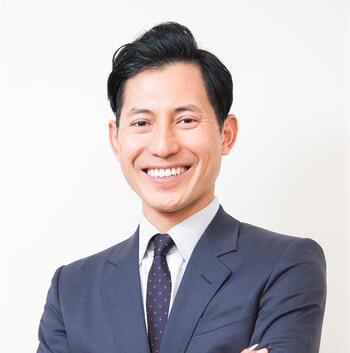
Photo of Fuhito Kojima
Fuhito Kojima is a Professor of Economics at the University of Tokyo and Director of the University of Tokyo Market Design Center. He received a B.A. at University of Tokyo (2003) and PhD at Harvard (2008), both in economics and taught at Yale (2008-2009, as postdoc) and then Stanford (2009-2020, as professor) while spending one year at Columbia in his sabbatical year. His research involves game theory, with a particular focus on “market design,” a field where game-theoretic analysis is applied to study the design of various mechanisms and institutions. His recent works include matching mechanism designs with complex constraints, and he is working on improving medical residency match and daycare seat allocation in Japan based on his academic work. Outside of academia, he serves as an advisor for Keizai Doyu Kai as well as several private companies.


Image
Photo of Eiko Nakazawa
Eiko Nakazawa is the Founder and CEO of Dearest, Inc., a VC-Backed startup in the United States that makes high-quality learning, childcare, and parenting support accessible by helping employers subsidize those costs for their working families. She also advises and invests in early-stage startups, and has recently co-founded Ikura, Inc., an education x fintech company in Japan. Prior to founding Dearest, Nakazawa spent 11 years with Sony Corporation, where she led global marketing, turnaround, and new business launch initiatives. Nakazawa earned an M.S. in Management from Stanford Graduate School of Business.


Moderator

Image
Photo of Yasumasa Yamamoto
Yasumasa Yamamoto is a Visiting Professor at Kyoto University graduate school of management and has been a specialist in emerging technology such as fintech, blockchain, and deep learning. He was previously industry analyst at Google, senior specialist in quantitative analysis of secularized products, as well as derivatives at Bank of Tokyo Mitsubishi in New York. Yamamoto holds a M.S. from Harvard University and a masters degree from University of Tokyo.


Via Zoom Webinar
Register:  https://bit.ly/3odkWFT 


Fuhito Kojima <br>Professor of Economics at the University of Tokyo<br><br>
Eiko Nakazawa <br>Founder and CEO, Dearest Inc.<br><br>
Yasumasa Yamamoto <br>Visiting Professor at Kyoto University
Panel Discussions
News Type
News
Date
Paragraphs

The Shorenstein APARC Predoctoral Fellowship supports Stanford students working within a broad range of topics related to contemporary Asia. APARC is now accepting applications for the 2022-23 Predoctoral Fellowship. Up to three fellowships are available to Ph.D. candidates who have completed all fieldwork and are nearing the completion of their dissertation. Applications are due by April 15, 2022.

The Center will give priority to candidates who are prepared to finish their degree by the end of the 2022-23 academic year.

This opportunity is open to current Stanford students only.

APARC offers a stipend of $37,230 for the 2022-23 academic year, plus Stanford's Terminal Graduate Registration (TGR) fee for three quarters. We expect fellows to remain in residence at the Center throughout the year and to participate in Center activities.

Read More

Stanford
News

Call for Stanford Student Applications: APARC Hiring 2022 Summer Research Assistants

To support Stanford students working in the area of contemporary Asia, the Shorenstein Asia-Pacific Center is offering research assistant positions for summer 2022. The deadline for submitting applications and letters of recommendation is March 1, 2022. 
Call for Stanford Student Applications: APARC Hiring 2022 Summer Research Assistants
Stanford arch and text calling for nominations for APARC's 2022 Shorenstein Journalism Award.
News

2022 Shorenstein Journalism Award Open to Nomination Entries

Sponsored by Stanford University’s Shorenstein Asia-Pacific Research Center, the annual award recognizes outstanding journalists and journalism organizations for excellence in coverage of the Asia-Pacific region. News editors, publishers, scholars, and organizations focused on Asia research and analysis are invited to submit nominations for the 2022 award through February 15.
2022 Shorenstein Journalism Award Open to Nomination Entries
Kate Imy
Q&As

How Feminist Military History Sheds Light on Colonial Rule and Warfare

In this interview, Lee Kong Chian NUS-Stanford Fellow on Southeast Asia Kate Imy discusses her research into identity in the twentieth-century British imperial world and her current book project on the colonial roots of winning "hearts and minds" in war, specifically focusing on Malaya and Singapore.
How Feminist Military History Sheds Light on Colonial Rule and Warfare
Hero Image
Encina Commons, Stanford with text about APARC's 2022-23 predoctoral fellowship
All News button
1
Subtitle

Up to three fellowships are available to Stanford Ph.D. candidates. Submissions are due by April 15, 2022.

-

This event will offer simultaneous translation between Japanese and English. 
当イベントは日本語と英語の同時通訳がついています。

This is a virtual event. Please click here to register and generate a link to the talk. 
The link will be unique to you; please save it and do not share with others.
当イベントはZoomウェビナーで行われます。ウェビナーに参加するためには、
こちらのリンクをクリックし、事前登録をして下さい。


February 7, 5-6:30 p.m. California time/ February 8, 10-11:30 a.m. Japan time

This event is part of the 2022 Japan Program Winter webinar series, The Future of Social Tech: U.S.-Japan Partnership in Advancing Technology and Innovation with Social Impact


Japan’s startup scene has become more exciting in recent years, but in the medical field, the failure to develop COVID-19 vaccines highlighted the shortcomings of Japan’s medical industry. What should Japan do to foster more impactful biotechnology entrepreneurship that would leverage vibrant medical research carried out at Japanese universities? The panel features two speakers who founded and grew their medical ventures in Japan's rapidly maturing startup ecosystem, both with deep connections to university research. 

Tadahisa Kagimoto founded his first company right after finishing his medical degree at Kyushu University, pioneering a pathway of commercializing biotechnology from Japanese university research. His second startup, Healios, founded in 2013 with the goal of becoming a pioneer in regenerative medicine utilizing iPS, was successfully listed on the Tokyo Stock Exchange in 2015 and has been growing since.

Shoko Takahashi was a PhD student in molecular bioscience at the University of Tokyo when she founded her company, Genequest, to offer home DNA testing. The firm was purchased by another biotech startup founded by a University of Tokyo graduate, Euglena, in 2017, and the company has partnered with a variety of pharmaceutical, food and beverage companies, and universities in its research. Their entrepreneurial journeys reveal Japan's changing startup ecosystem that has rapidly matured over the past decade and signal a need for further development in regulatory environments, human resource development, and university-industry collaboration in the biotechnology industry.


Panelists

Image
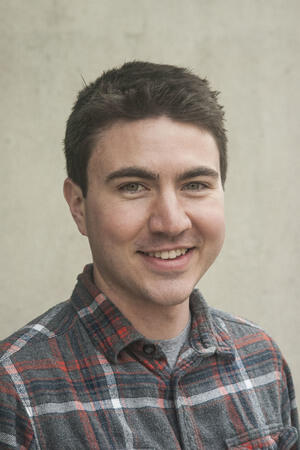
Photo portrait of Tadahisa Kagimoto
Hardy TS Kagimoto, MD is founder, Chairman and CEO of HEALIOS K.K., a Tokyo-based, clinical-stage world leader in regenerative medicine and cell therapy. 

After founding Healios in 2011, Dr. Kagimoto led the company’s listing on the Tokyo Stock Exchange in 2015 and has built the company to its current scale of more than 140 people across its Japan and US offices. Healios leverages the favorable Japanese regulatory framework for regenerative medicine to efficiently deliver results for patients and its stakeholders. It is currently running two pivotal clinical trials for ischemic stroke and acute respiratory distress syndrome using bone marrow-derived allogeneic multipotent adult progenitor cells. At the same time, Healios is developing best-in-class, next generation pipeline assets in immuno-oncology, ophthalmology, and organ buds utilizing its innovative, proprietary universal donor iPS cell platform.


Image
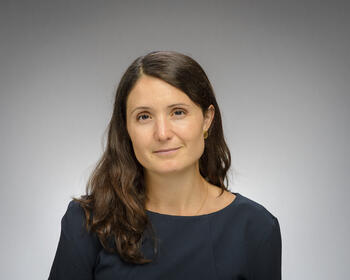
Photo of Shoko Takahashi
Shoko Takahashi founded the Japanese personal genome company Genequest Inc. in 2013 while a graduate student at the University of Tokyo. Genequest provides a web-based personal genetic service for consumers and collaborates with research institutions in a large-scale genome research project to maximize synergistic effects between research and personal genome services. She is filled with ambition to accelerate genetic research and contribute to human health all over the world. She graduated from the University of Tokyo with a Ph.D. in Molecular Bioscience in 2015, and Kyoto University with a Bachelor of Biochemistry Science in 2010. She has been awarded the Japan Venture Award and received the highest rating by the Japan Ministry of Economy. In 2015, she was commended by the Japan Minister of Education, Culture, Sports, Science and Technology as one of the researchers contributing major innovations to science technologies in Japan.

She received the 2018 Young Global Leaders award from the World Economic Forum and was selected for Newsweek's ‘100 respected Japanese in the world’ list.


Moderator

Image
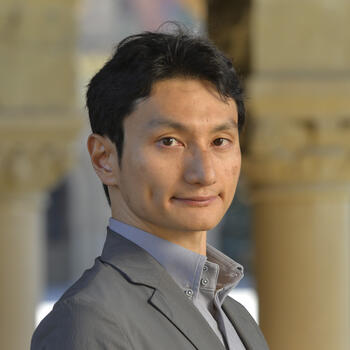
Photo portrait of Kenji Kushida
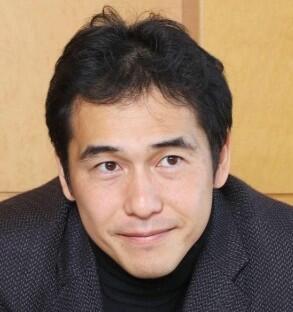
Kenji E. Kushida is a Senior Fellow, Carnegie Endowment for International Peace. He previously was with the Japan Program at the Walter H. Shorenstein Asia-Pacific Research Center as a research scholar.

Kushida’s research and projects focused on the following streams : 1) how politics and regulations shape the development and diffusion of Information Technology such as AI; 2) institutional underpinnings of the Silicon Valley ecosystem, 2) Japan's transforming political economy, 3) Japan's startup ecosystem, 4) the role of foreign multinational firms in Japan, 4) Japan's Fukushima nuclear disaster. He spearheaded the Silicon Valley - New Japan project that brought together large Japanese firms and the Silicon Valley ecosystem.

He has published several books and numerous articles in each of these streams, including “The Politics of Commoditization in Global ICT Industries,” “Japan’s Startup Ecosystem,” "How Politics and Market Dynamics Trapped Innovations in Japan’s Domestic 'Galapagos' Telecommunications Sector," “Cloud Computing: From Scarcity to Abundance,” and others. His latest business book in Japanese is “The Algorithmic Revolution’s Disruption: a Silicon Valley Vantage on IoT, Fintech, Cloud, and AI” (Asahi Shimbun Shuppan 2016).


 

Via Zoom Webinar
Register:  https://bit.ly/3u1A10M


Tadahisa Kagimoto, MD. <br>Founder, Chairman, and CEO, Healios K.K.<br><br>
Shoko Takahashi <br>Founder and CEO, Genequest Inc.<br><br>
0
Former Research Scholar, Japan Program
kenji_kushida_2.jpg MA, PhD
Kenji E. Kushida was a research scholar with the Japan Program at the Walter H. Shorenstein Asia-Pacific Research Center from 2014 through January 2022. Prior to that at APARC, he was a Takahashi Research Associate in Japanese Studies (2011-14) and a Shorenstein Postdoctoral Fellow (2010-11).
 
Kushida’s research and projects are focused on the following streams: 1) how politics and regulations shape the development and diffusion of Information Technology such as AI; 2) institutional underpinnings of the Silicon Valley ecosystem, 2) Japan's transforming political economy, 3) Japan's startup ecosystem, 4) the role of foreign multinational firms in Japan, 4) Japan's Fukushima nuclear disaster. He spearheaded the Silicon Valley - New Japan project that brought together large Japanese firms and the Silicon Valley ecosystem.

He has published several books and numerous articles in each of these streams, including “The Politics of Commoditization in Global ICT Industries,” “Japan’s Startup Ecosystem,” "How Politics and Market Dynamics Trapped Innovations in Japan’s Domestic 'Galapagos' Telecommunications Sector," “Cloud Computing: From Scarcity to Abundance,” and others. His latest business book in Japanese is “The Algorithmic Revolution’s Disruption: a Silicon Valley Vantage on IoT, Fintech, Cloud, and AI” (Asahi Shimbun Shuppan 2016).

Kushida has appeared in media including The New York Times, Washington Post, Nihon Keizai Shimbun, Nikkei Business, Diamond Harvard Business Review, NHK, PBS NewsHour, and NPR. He is also a trustee of the Japan ICU Foundation, alumni of the Trilateral Commission David Rockefeller Fellows, and a member of the Mansfield Foundation Network for the Future. Kushida has written two general audience books in Japanese, entitled Biculturalism and the Japanese: Beyond English Linguistic Capabilities (Chuko Shinsho, 2006) and International Schools, an Introduction (Fusosha, 2008).

Kushida holds a PhD in political science from the University of California, Berkeley. He received his MA in East Asian Studies and BAs in economics and East Asian Studies with Honors, all from Stanford University.
Kenji Kushida <br>Senior Fellow, Carnegie Endowment for International Peace
Panel Discussions
News Type
News
Date
Paragraphs

Shorenstein APARC invites highly motivated and dedicated undergraduate- and graduate-level students to join our team as paid research assistant interns for the duration of the summer 2022 quarter. The research assistants work with assigned APARC faculty members on projects focused on contemporary Asia, studying varied issues related to the politics, economies, populations, security, foreign policies, and international relations of the countries of the Asia-Pacific region.

All research assistant positions are open to current Stanford students only.

Apply Now
 

APARC is now accepting applications for our summer 2022 RA positions. The deadline for submitting applications and letters of recommendation is March 1, 2022

All summer research assistant positions will be on campus for eight weeks. The hourly pay rate is $17 for undergraduate students, $25 for graduate students.

Decisions regarding the options for telecommuting work will be made closer to the appointment start dates in accordance with the evolving COVID-19 situation and the University's recommendations.


Please follow these application guidelines

I. Prepare the following materials:

II. Fill out the online application form for summer 2022, including the above two attachments, and submit the complete form.

III. Arrange for a letter of recommendation from a faculty to be sent directly to Shorenstein APARC.
Please note: the faculty members should email their letters directly to Kristen Lee at kllee@stanford.edu.

We will consider only applications that include all supporting documents.

Read More

Stanford arch and text calling for nominations for APARC's 2022 Shorenstein Journalism Award.
News

2022 Shorenstein Journalism Award Open to Nomination Entries

Sponsored by Stanford University’s Shorenstein Asia-Pacific Research Center, the annual award recognizes outstanding journalists and journalism organizations for excellence in coverage of the Asia-Pacific region. News editors, publishers, scholars, and organizations focused on Asia research and analysis are invited to submit nominations for the 2022 award through February 15.
2022 Shorenstein Journalism Award Open to Nomination Entries
Portrait of Ma'ili Yee, 2020-21 APARC Diversity Fellow
News

Student Spotlight: Ma’ili Yee Illuminates a Vision for Building the Blue Pacific Continent

With support from Shorenstein APARC’s Diversity Grant, coterminal student Ma’ili Yee (BA ’20, MA ’21) reveals how Pacific island nations are responding to the U.S.-China rivalry by developing a collective strategy for their region.
Student Spotlight: Ma’ili Yee Illuminates a Vision for Building the Blue Pacific Continent
Kate Imy
Q&As

How Feminist Military History Sheds Light on Colonial Rule and Warfare

In this interview, Lee Kong Chian NUS-Stanford Fellow on Southeast Asia Kate Imy discusses her research into identity in the twentieth-century British imperial world and her current book project on the colonial roots of winning "hearts and minds" in war, specifically focusing on Malaya and Singapore.
How Feminist Military History Sheds Light on Colonial Rule and Warfare
Hero Image
Stanford Rod Searcey
All News button
1
Subtitle

To support Stanford students working in the area of contemporary Asia, the Shorenstein Asia-Pacific Center is offering research assistant positions for summer 2022. The deadline for submitting applications and letters of recommendation is March 1, 2022. 

650-736-7622
0
jb_headshot_copy.jpg MS

In addition to her role as Director of Strategic Partnerships for the Human Trafficking Data Lab, Jessie Brunner serves as Deputy Director of Strategy and Program Development at the Center for Human Rights and International Justice at Stanford University. In this capacity she manages the Center's main interdisciplinary collaborations and research activities, in addition to advising on overall Center strategy. Jessie currently researches issues relevant to data collection and ethical data use in the human trafficking field, with a focus on Brazil and Southeast Asia. Furthermore, in her role as co-Principal Investigator of the Re:Structure Lab, Jessie is investigating how supply chains and business models can be re-imagined to promote equitable labor standards, worker rights, and abolish forced labor. Brunner earned a MA in International Policy from Stanford University and a BA in Mass Communications and a Spanish minor from the University of California, Berkeley.

Director of Strategic Partnerships, Human Trafficking Data Lab
Deputy Director of Strategy and Program Development, Center for Human Rights and International Justice
-

Image
Utibe R. Essien Gives Health Equity Lecture at Stanford Health Policy

Utibe R. Essien, MD, MPH, is an Assistant Professor of Medicine, University of Pittsburgh School of Medicine, a general internist and health disparities researcher in the VA Pittsburgh Center for Health Equity Research and Promotion. Dr. Essien’s research focuses on racial disparities in the use of novel therapeutics in the management of chronic diseases including atrial fibrillation and was recently awarded a 5-year, $1 million Career Development Award from the Department of Veterans Affairs. He has applied his health equity research framework to the COVID-19 pandemic, rapidly becoming an expert in examining the disparities that disproportionately affect minority communities with COVID-19. His work has been featured in leading medical journals including JAMA and the NEJM and he has been interviewed by several national news outlets including the New York Times, Washington Post, and NPR. Dr. Essien is a fierce advocate for diversity and equity in medicine, speaking nationally on the topic and co-founding an “Antiracism in Medicine” podcast for the Clinical Problem Solvers podcast. Dr. Essien's leadership in advancing health equity has resulted in several local and national awards including the 2021 AAMC Herbert Nickens Award.

You are invited to a Zoom meeting. 

When: Mar 11, 2022 12:00 PM Pacific Time (US and Canada)
 

Registration

After registering, you will receive a confirmation email containing information about joining the meeting.


Lectures
-

Mary K. Goldstein, MD, MS, is a Professor of Health Policy and a core faculty member at the Department of Health Policy and the Center for Health Policy, and the Director of the Geriatrics Research Education and Clinical Center (GRECC) at the VA Palo Alto Health Care System. She directs the Stanford/VA Palo Alto Geriatric Medicine Fellowship Program, and the Special Fellowship Program in Advanced Geriatrics at VA Palo Alto. She also serves as associate director for the Physician Post-Residency Fellowship Program in Health Services Research and Development, and for the Postdoctoral Fellowship in Medical Informatics, both at VA Palo Alto Health Care System.

Goldstein studies innovative methods of implementing evidence-based clinical practice guidelines for quality improvement. She leads the ATHENA Decision Support System project that has developed and implemented an automated clinical decision support system for primary care clinicians, using hypertension as a model, and now extended into several other clinical domains.  Goldstein's research also explores older adults' health preferences (health utility) for application to cost-effectiveness analysis.

You are Invited to a Zoom Meeting

Registration

After registering, you will receive a confirmation email containing information about joining the meeting.

VA Palo Alto Health Care System Medical Service (111) 3801 Miranda Avenue Palo Alto, CA 94304;

Encina Commons, 615 Crothers Way Room 210, Stanford, CA 94305-6006

(650) 493-5000,,1,,1,62105
0
Professor, Health Policy
Professor, Medicine (by courtesy)
mary_goldstein_profile.jpg MD, MS


Mary K. Goldstein is a Professor of Health Policy and a core faculty member at the Department of Health Policy and the Center for Health Policy, and the Director of the Geriatrics Research Education and Clinical Center (GRECC) at the VA Palo Alto Health Care System. She directs the Primary Care Policy and Practice Advancement program at PCOR, the Stanford/VA Palo Alto Geriatric Medicine Fellowship Program, and the Special Fellowship Program in Advanced Geriatrics at VA Palo Alto. She also serves as associate director for the Physician Post-Residency Fellowship Program in Health Services Research and Development, and for the Postdoctoral Fellowship in Medical Informatics, both at VA Palo Alto Health Care System.

Goldstein studies innovative methods of implementing evidence-based clinical practice guidelines for quality improvement. She leads the ATHENA Decision Support System project that has developed and implemented an automated clinical decision support system for primary care clinicians, using hypertension as a model, and now extended into several other clinical domains.  Goldstein's research also explores older adults' health preferences (health utility) for application to cost-effectiveness analysis.

Goldstein is a fellow of the American Geriatrics Society, and an emerita of the Society's board of directors. Goldstein has received a number of honors and awards including an Advanced Career Development award from the Department of Veterans Affairs Health Services Research and Development (HSR&D) program.  She received a BA in philosophy and an MD, both from Columbia University, and completed her residency in family medicine at Duke University Medical Center. At the Stanford School of Medicine she completed an AHRQ-funded fellowship and an MS in health services research.

CV
Date Label
Seminars
-

Image
Mark Helfand

Mark Helfand, MD, MS, FACP, is Professor of Medicine and Professor of Medical Informatics and Clinical Epidemiology at the Oregon Health & Science University. He is board-certified in Internal Medicine and practices hospital medicine at the Portland VA Medical Center, where he is a staff physician and directs the VA Evidence Synthesis Program Coordinating Center. He founded the Oregon Evidence-based Practice Center (now the Pacific Northwest EPC) in 1997 and, in the 2000’s, led the EPC’s work for the US Preventive Services Task Force and for OHSU’s pioneering Drug Effectiveness Review Project.

Registration

After registering, you will receive a confirmation email containing information about joining the meeting.


Seminars
Subscribe to Health and Medicine