Authors
Gi-Wook Shin
News Type
Commentary
Date
Paragraphs

This essay originally appeared in Korean on October 27 in Sindonga (New East Asia), Korea’s oldest monthly magazine (established 1931), as part of a monthly column, "Shin’s Reflections on Korea." Translated by Raymond Ha. A PDF version of this essay is also available to download.


Tensions between the United States and China are escalating and spreading into every corner of the complex bilateral relationship, including trade, advanced technologies, finance, ideology, talent, and the military domain. In 2019, former U.S. Secretary of State Henry Kissinger, who played a critical role in Nixon’s opening to China, warned that the two countries were at “the foothills of a Cold War.” If left unresolved, he added, there could be dire consequences—worse than those of World War I.

Xi Jinping is driven by his grand vision of a “Chinese dream.” He secured the foundations for an unprecedented third term as president at the 20th party congress last month, as he prepares for a “new great struggle” to achieve China’s dominance on the world stage.[1] Meanwhile, the Biden administration is raising the pressure on Beijing through a series of legislative measures under the banner of “Made in America.” It is bringing economic security to the forefront of its diplomacy, encouraging allies to participate in initiatives such as the Indo-Pacific Economic Framework (IPEF) and the so-called Chip 4 alliance. 

Moreover, the United States is openly criticizing China’s human rights record, including the situation in Tibet and Xinjiang. There are growing concerns about the risk of a military clash between the two countries, particularly over Taiwan. In its recently published national security strategy, the Biden administration refers to the coming “decisive decade” in the strategic competition against China.[2] The 2022 national defense strategy also calls China the “most consequential strategic competitor” of the United States.[3]

The deepening rift between the United States and China presents many countries, including South Korea, with a vexing foreign policy challenge. There was a profound conflict between Washington and Moscow during the Cold War, and there were tensions between Japan and the United States in the 1980s. However, Seoul was not pressured to take a side in either era. South Korea signed a mutual defense treaty with Washington shortly after the 1953 armistice. This endured throughout the Cold War and to the present day. Even as it challenged U.S. supremacy, Japan remained a treaty ally of the United States. The current situation is fundamentally different and more complicated. South Korea is increasingly under pressure to side with Washington or Beijing on a wide array of regional and international issues.

For some time, experts and policymakers called for relying on the United States for security while partnering with China for the economy (an-mi-gyeong-joong). This paradigm is now obsolete.
Gi-Wook Shin

How should Korea navigate this turbulent landscape? For some time, experts and policymakers called for relying on the United States for security while partnering with China for the economy (an-mi-gyeong-joong). This paradigm is now obsolete.[4] The Yoon administration has proclaimed a values-based foreign policy to strengthen solidarity between liberal democracies. In his opening statement at the ASEAN summit in Phnom Penh on November 11, President Yoon reiterated Korea’s support for “strengthening a rule-based international order built on universal values” to foster “freedom, peace, and prosperity” in the Indo-Pacific.[5]

Anti-China sentiment is worsening by the day, even surpassing anti-Japan sentiment. At the same time, there are also growing complaints about the United States, especially after the exclusion of consumer tax credits for Korea’s electric vehicles in the Inflation Reduction Act.
Gi-Wook Shin

Will this approach be sufficient, however? Conflicting trends in Korea’s domestic public opinion complicate the picture. On the one hand, anti-China sentiment is worsening by the day, even surpassing anti-Japan sentiment. At the same time, there are also growing complaints about the United States, especially after the exclusion of consumer tax credits for Korea’s electric vehicles in the Inflation Reduction Act (IRA). Taking these developments into account, this essay seeks to explore the path ahead for Korea by analyzing the nature of U.S.-China tensions and assessing the durability of Pax Americana.

Heading into Thucydides Trap?

U.S.-China relations are widely characterized as “Thucydides Trap.” The Peloponnesian War is regarded as one of the main reasons behind the decline of ancient Greek civilization. Thucydides, an Athenian general and historian, famously wrote that the fundamental cause of this war was due to Spartan fears over the growth of Athenian power. Drawing from Thucydides, international relations theorists have used the concept of a Thucydides Trap to explain tensions between a rising power and a status quo hegemon. Graham Allison, a professor of political science at Harvard, popularized this concept by applying it to Sino-U.S. relations in Destined for War. Beginning from the clash between Portugal and Spain in the late 15th century, Allison notes that there have been 16 instances where an emerging power challenged the hegemonic power. There was a war in all but four cases. When an emerging power is strong enough to challenge the hegemon, this creates structural stresses that frequently lead to a violent conflict.

Based on his analysis of the historical record, Allison warns that the rift between the United States (America First) and China (the Chinese dream) is much wider and deeper than most people perceive it to be. There is now a heightened risk of an armed confrontation between the two countries over Taiwan. Nevertheless, the likelihood of a catastrophic hegemonic war still remains low. Instead, there is likely to be a prolonged conflict and competition between Washington and Beijing centered on advanced technologies.

Made in China 2025 and the Chinese Dream

The U.S.-China trade war began under the Trump administration. Made in China 2025 (MIC 2025), a policy roadmap published by the Chinese government in 2015, drew the attention of the United States and other Western countries. In its opening paragraph, it states that “building an internationally competitive manufacturing industry is the only way China can enhance its comprehensive national strength, ensure national security, and build itself into a world power.”[6]

From the emphasis on “the only way,” it is clear that MIC 2025 is not just an industrial policy. It is an integral element of China’s national security strategy. Under this plan, China seeks to achieve progress in advanced manufacturing technologies such as big data, information technology, aerospace, artificial intelligence, and biotechnology. The goal is to become the world’s leading manufacturing power by surpassing the United States.

After MIC 2025 sparked controversy in the West, the Chinese government has refrained from referring to it in public. Nonetheless, it has continued to implement this policy in practice. At the 2021 Lianghui, the concurrent annual meetings of the National People’s Congress and the Chinese People’s Political and Consultative Conference, the Chinese government strengthened its resolve to reduce its dependence on U.S.-led global value chains as it sought to develop advanced technologies. Specifically, it emphasized the economic policy of dual circulation, which aims to raise domestic consumption while expanding exports of high value-added goods to foreign markets.

The advanced technologies that China is focusing on have potential military applications. For example, drones, artificial intelligence, and facial recognition technology can be used for reconnaissance satellites and unmanned aerial vehicles. China is pursuing military-civil fusion through the Military-Civil Fusion Development Committee, chaired by President Xi. This indicates that Xi intends to personally oversee China’s ambitious efforts to challenge the United States. At this year’s Lianghui, Xi stressed that China is in a strategically advantageous position in its deepening competition with the United States. Furthermore, he unveiled a plan to achieve his “dream of a strong military” by modernizing China’s armed forces through mechanization and the use of advanced information technology. Despite a slowdown in China’s economy, Xi increased defense spending by 7.1 percent.[7]

Those who analyze Xi Jinping’s character classify him as an ideological purist, a true believer of socialism. He sees a historic opportunity for China to become a global superpower, and believes that it is his calling to realize socialism in the 21st century. Unlike his predecessors, he does not shy away from conflict with the United States. In a September 30, 2022, essay in Qiushi, the Chinese Communist Party’s (CCP) leading theoretical journal, Xi stated that “today, we have never been so close to achieving the great rejuvenation of the Chinese nation, and we have never been more confident in our faith and ability to achieve this goal.”[8] Only two weeks before the CCP’s 20th party congress, where he would secure a third term as general secretary, Xi stressed the need for strong leadership to prepare for the intensifying competition with the United States.

Under Xi’s leadership, the CCP is driven by the zeitgeist of the Chinese dream, of realizing the great rejuvenation of the Chinese nation. The goal is to make the People’s Republic of China (PRC) the most powerful economic and military power in the world. The emphasis on achieving this goal by 2049 is no coincidence, as it will mark the centennial of the CCP’s victory in the Chinese Civil War, where it defeated the Kuomintang and established the PRC. This timeline also aligns with Xi’s vision of building an advanced socialist country by 2050, which he proclaimed at the 19th National Congress of the CCP. China has a truly ambitious vision, one that leaves the United States no choice but to respond.

From America First to Made in America

When Donald Trump proclaimed “America First” as his slogan in his bid for the White House, his primary target was China. He blamed China for the loss of American jobs, claiming that the United States was suffering greatly from China’s unfair trade practices and interference in markets. This message bolstered his support among white blue-collar workers in the Rust Belt, as they had witnessed a dramatic decline in manufacturing jobs. This enabled him to win key swing states in the Midwest, leading to his victory in the 2016 election.

Upon entering office, Trump consistently maintained a hardline policy against China. For example, the “Secure 5G and Beyond Act of 2020” passed the House 413–3 and cleared the Senate on March 6, 2020. The intent of this law was to create a “whole-of-government approach” to protect America’s telecommunications networks from national security threats posed by Chinese companies such as Huawei and ZTE, which played a major role in the rollout of 5G networks across the world.[9] His administration increased government oversight of Chinese investment in or acquisition of U.S. tech companies and scrutinized partnerships between American universities and Chinese entities. It tightened visa review procedures for students and visiting scholars from the PRC. It also designated Confucius Institutes in the United States as a “foreign mission” that “[advances] Beijing’s global propaganda and malign influence campaign on U.S. campuses and K-12 classrooms.”[10] All of these measures stemmed from a recognition that China was rapidly closing in on the United States. The National Intelligence Council estimates that if current trends continue, China will surpass the United States to become the world’s largest economy between 2030 and 2035.

The American public’s view of China has continued to deteriorate after Trump left office. According to Pew Research, 47% of respondents held a negative view of China in 2018. This surged to 60% in 2019 and 82% in 2022.[11] Despite a transfer of power to the Democrats in 2020, the overall orientation of U.S. policy toward China has remained unchanged. Under the banner of “Made in America,” the Biden administration has carefully crafted a dense web of policies aimed at China.

In the past three months alone, there have been a raft of legislative and executive measures that encompass semiconductors, electric cars and batteries, and biotechnology. This includes the CHIPS and Science Act (August 9), the IRA (August 16), and an Executive Order on Advancing Biotechnology and Biomanufacturing Innovation (September 12). These steps are intended to check China’s rise and promote the growth of America’s advanced technology and clean energy sectors. The CHIPS and Science Act sets aside $52.7 billion dollars for America’s semiconductor industry.[12] Companies that receive subsidies under this law are barred from expanding operations or otherwise investing in China for the purpose of manufacturing advanced semiconductors.[13] As noted below, certain provisions of the IRA will also have significant ramifications for Korea’s exports of electric cars to the U.S. market.

Even in Silicon Valley, where anti-China sentiment is not as deeply rooted as it is in Washington, there are concerns about the risk of Chinese industrial espionage and intellectual property theft. There is a hesitation among start-ups to accept funding from Chinese investors.
Gi-Wook Shin

As it undertakes a series of legislative steps at home, the Biden administration has pursued multilateralism abroad. This is a key difference from Trump, who preferred bilateral arrangements. The Biden administration is seeking to institutionalize economic and technological alliances through initiatives such as IPEF and the Chip 4 alliance, and it is encouraging Korea and other allies to participate. By stressing intellectual property rights and China’s unfair economic practices, strengthening its own technological capabilities, and reinforcing relevant international norms, Washington is compelling Beijing to operate within a U.S.-led international order. Even in Silicon Valley, where anti-China sentiment is not as deeply rooted as it is in Washington, there are serious concerns about the risk of Chinese industrial espionage and intellectual property theft. There is a palpable hesitation among start-ups to accept funding from Chinese investors. Chinese investment in America increased throughout the 2000s until reaching a peak of $46 billion in 2016. This plummeted by almost 90% to $5 billion in 2018, due in part to political tensions.[14]

Will Pax Americana Endure?

Since the beginning of Pax Americana in 1945, there have been three challenges to America’s status as a global hegemon: by the Soviet Union during the Cold War, Japan in the 1980s, and China in the present day. The Soviet Union engaged in a tense military confrontation with the United States for decades, but collapsed in the late 1980s due to the limitations and internal contradictions of its communist system. Japan once threatened to displace America from the apex of the global capitalist order, but lapsed into the “Lost Two Decades” after its economic bubble burst in the early 1990s. What can we say about the future of China, which is engaging in fierce competition against the United States? In short, I believe that China will not surpass the United States in our time.

Those who predict that China will eclipse the United States point to economic trends. China surpassed Japan in 2010 to become the world’s second-largest economy. It also became the world’s largest exporter in 2014, when its gross domestic product exceeded 60% of U.S. GDP. In purchasing power parity terms, China has already leapfrogged the United States. Both present-day statistics and long-term economic trends point in one direction. If the Chinese government makes a concerted effort to invest in key strategic industries, as outlined in MIC 2025, it is certainly feasible for China to surpass the United States to become the world’s leading manufacturing power by 2049.

However, China still lags far behind the United States in many areas, including military power. In absolute terms, for example, its defense spending is only one-third of what the United States spends on its military. There are also a host of political, social, demographic, and economic challenges that hamper China in its campaign to attain global supremacy.[15] Xi’s aggressive anti-corruption campaign is an indication of widespread corruption in Chinese society. There are also serious human rights issues in Tibet and Xinjiang, and the three Ts of Taiwan, Tibet, and Tiananmen cannot be openly discussed. China’s problems extend beyond its borders. With a land border of nearly 14,000 miles with 14 countries, managing territorial disputes is a tall order. There are also tensions with its maritime neighbors in the South China Sea. China’s efforts at public diplomacy have been unsuccessful, as can be seen from the widespread rise of anti-Chinese sentiment in South Korea and other countries.

Amidst these challenges, Xi Jinping secured a third term as president at the 20th party congress on October 16. Since Deng Xiaoping, China has managed leadership transitions in a relatively stable fashion. Under a system of collective leadership, the leader served two five-year terms and appointed his successor in advance. These practices created a certain degree of predictability, stability, and transparency, thereby facilitating  China’s dramatic economic growth and making it powerful enough to compete with the United States. Xi Jinping has sharply broken from this tradition as he seeks to become a 21st-century emperor.

China’s growth was enabled in no small part by talented individuals who studied abroad and then returned home to apply their experiences and insights. As China closes its doors to the outside world, it is also limiting its potential to become a leader in innovation.

Some argue that China is destined to become an imperial power. However, it will be difficult for a fast follower such as China to build an empire. In general, a country must be a first mover or trendsetter to become a hegemonic power. For example, in the corporate sector, Xiaomi may catch up to Samsung, but can it replace Apple? Tech companies such as Alibaba and Baidu have achieved rapid growth thanks to a sizable domestic market, but they have emulated the business models of Amazon and Google. They have not created a new, transformative platform. China’s growth was enabled in no small part by talented individuals who studied abroad and then returned home to apply their experiences and insights. As China closes its doors to the outside world, it is also limiting its potential to become a leader in innovation.

Furthermore, China is failing to serve as a role model for other countries. Except for a few countries in Africa and Asia, the Belt and Road Initiative has yet to yield meaningful results. If anything, anti-China sentiment is deepening across Europe, North America, and Asia. While the Soviet Union had the communist bloc, China lacks a reliable group of allies. China has indeed achieved remarkable growth in the past 30 years, presenting lucrative economic opportunities for individuals and companies in China and abroad. However, talented individuals across the world would arguably prefer to study, work, and live in the United States than in China. Japan’s postwar growth inspired a “Japan boom,” a desire to study and emulate Japan. There is no comparable “China boom” to speak of.

Rich Mandarins

The Palo Alto area, where I have lived and worked for over two decades, has some of the highest housing prices in the United States. A small condo, which is equivalent to an apartment unit in Korea, costs over $1 million. Since I moved to Stanford in 2001, the Bay Area has seen three significant surges in housing prices. The first two waves resulted from a sudden increase in wealth among young tech workers when Google and Facebook went public. On the other hand, the third surge is said to be related to Chinese residents. Locals call these individuals, who purchase high-end housing in cash, “rich mandarins.”

This group includes company founders and investment professionals, as well as entrepreneurs who have listed their companies on New York’s Stock Exchange. They are mostly in their 50s, and they played a critical role in China’s economic growth through their contributions to the IT sector. Although they have amassed an enormous amount of wealth, they are anxious about China’s prospects and the country’s uncertain political future. They are also worried that the government could seize their companies or their individual property. Their families have already moved to America, and they conduct business by shuttling between China and the United States. Some have left China in search of a new life and career.

As long as those who have attained success in China eventually end up in the United States, China cannot become the world’s leading superpower. These individuals are voting with their feet.

As long as those who have attained success in China eventually end up in the United States, China cannot become the world’s leading superpower. These individuals are voting with their feet. Professor Wang Jisi of Peking University has said that “the day the U.S. truly declines is when visa lines in front of its consulates are no longer crowded.”[16] There is pessimism even among China’s economic elite about the country’s future, especially as Xi Jinping further tightens political control under a one-man dictatorship.

For China to surpass the United States and lead the international order, we should see the opposite. Instead of China’s elites rushing toward the United States, there should be an outflow of American elites to China. Only then can we truly speak of a Pax Sinica. In addition, countries across the world should seek to emulate the Chinese model, not the American model. Based on my own knowledge and experience, I am convinced that the likelihood of such trends emerging in the next 20 or 30 years is vanishingly small. It is thus realistic and reasonable to expect Pax Americana to continue into the next generation, with clear implications for Korea’s foreign policy going forward.

An Empire of Liberty

The United States is a hegemonic power that wields unparalleled influence across the world. It exercises its economic and military power to uphold its political, military, and cultural dominance. Institutions such as the World Bank and the IMF are critical elements of Pax Americana, as are programs such as the Peace Corps and Fulbright Scholarships. During the War on Terror, the United States sacrificed many lives and trillions of dollars in prolonged conflicts in Afghanistan and Iraq. Over the past 100 years, the United States took part in 35 wars, large and small.It will likely be recorded as the country that has participated in the most armed conflicts. Pax Americana appears to be much more robust than Pax Romana or Pax Britannica.

For these reasons, Korea’s progressives criticize American imperialism and advocate for cultivating closer ties with China. We should ask, however, whether a Pax Sinica would be preferable to Pax Americana.

Compared to that of the Soviet Union or present-day China, America’s empire is far more sophisticated. History also tells us so. Although the United States is criticized at times for failing to live up to its proclaimed values, it has shown the strongest commitment to democracy and human rights of any superpower. In an ideal world, the international order would be built solely on sovereign equality. However, any superpower will seek to construct its preferred international order and defend it using various levers of power, including the use of force. To maintain its global hegemony, the United States has effectively deployed a mixture of hard power, soft power, and smart power.

The Yoon administration’s clear articulation of its intent to build a values-based alliance with the United States and other liberal democracies is commendable. There are only a handful of countries other than Korea that have both a defense treaty and an FTA with the U.S.
Gi-Wook Shin

Based on historical experience and a critical analysis of the current state of the world, it would be dangerous to presuppose that Pax Sinica will displace Pax Americana anytime soon. From Korea’s standpoint, it would be unwise to call for strategic ambiguity or for maintaining an equidistant posture between the United States and China. As previously noted, the paradigm of an-mi-gyeong-joong is no longer viable.[17] The Yoon administration’s clear articulation of its intent to build a values-based alliance with the United States and other liberal democracies is commendable. In fact, there are only a handful of countries other than Korea—Israel, Canada, and Australia—that have both a defense treaty and a free trade agreement (FTA) with the United States. Korea must foster relationships with these countries, which are a valuable diplomatic asset.

There is deep disappointment and anger in Korea [about the IRA], as this creates a significant disadvantage for Korea’s auto companies. To put it bluntly, Korea’s companies are paying the cost of the Korean government’s failure to address stark economic realities.
Gi-Wook Shin

At the same time, it would be imprudent to focus only on abstract values and neglect vital economic or security interests. Let us consider a recent example. Korea’s leading conglomerates—including Samsung Electronics, Hyundai Motor Group, and SK—have pledged to invest $26 billion in the United States this year alone. However, the recently passed IRA only provides consumer tax credits to electric vehicles manufactured in North America. There is deep disappointment and anger in Korea, as this creates a significant disadvantage for Korea’s auto companies. To put it bluntly, Korea’s companies are paying the cost of the Korean government’s failure to address stark economic realities.

If the Yoon administration indeed seeks to reduce Korea’s economic dependence on China, it should have a roadmap to strengthen economic ties with the United States while protecting Korea’s own interests. As the United States brings economic security to the forefront, Korea should devise a strategy to avoid repeating the same mistake. Furthermore, even if Korea partners with the United States in advanced technologies that affect national security, it can still maintain economic relations with China in other sectors, including retail, consumer goods, and manufacturing. For values-based diplomacy to be successful, it must be upheld by interest-based diplomacy.

In Search of a Non-Partisan Foreign Policy

In this context, it is worth closely examining two recently published columns regarding the IRA controversy. The first is an op-ed entitled “Yoon Has Been Played by the United States” (September 20) by Park Hyeon, a senior columnist at the progressive Hankyoreh. The second is an op-ed entitled “The IRA Undermines Trust in the Alliance” (September 26) by Lee Mi-Sook, a well-known conservative commentator, in the Munhwa Ilbo.[18] As former Washington correspondents, Park and Lee both have firsthand knowledge of America’s inner workings. Park’s column focuses on criticizing the Yoon administration, while Lee’s piece expresses concern about a weakened U.S.-Korea alliance. Nevertheless, they both show that U.S. policies aimed at China could spark anti-American sentiment in Korea.

Park writes that “the United States, under the banner of economic security, is tying its allies and friendly countries into a U.S.-led economic bloc, weakening China—the hegemonic challenger—while seeking a revival of its domestic manufacturing industry.” He begins from the premise that “this kind of protectionism is harmful for open, export-driven economies such as Korea.” With full knowledge of this state of affairs, Hyundai Motor Group pledged to invest more than $10 billion in the United States, expecting its cars to be granted subsidies in return. Instead, it was given the cold shoulder. Park adds that “the Presidential Office fell into disarray” and missed a golden opportunity to raise these concerns with House Speaker Nancy Pelosi, who visited Korea shortly after the final text of the IRA was released on July 27. This failure is characteristic of Yoon’s foreign policy, Park concludes.

In her column, Lee writes that “the IRA could once again imperil the U.S.-Korea alliance, which faced a serious crisis under the Trump administration.” She goes on to say that “the exclusion of Korean electric vehicles from subsidies, despite the ‘national treatment’ clause in the Korea-U.S. FTA, is raising suspicions about an underlying lack of concern for Korea in the United States.” Moreover, she adds that “there are signs this dispute over subsidies could turn into something far worse—a question of hurt national pride.” She warns that “if America fails to show flexibility and sticks to the original provision of the IRA, this will not only erode Koreans’ trust in the alliance, but also provide political fodder for progressives (former pro-democracy activists) to stoke anti-Americanism.” In closing, Lee calls upon the United States “to consider Korea’s view of the situation and act in a way that honors the spirit of the U.S.-Korea alliance.”

It is commendable for the Yoon administration to focus on strengthening the U.S.-Korea alliance and building solidarity around shared values, but it must also call on Washington to reciprocate Seoul’s efforts.
Gi-Wook Shin

As these op-eds indicate, both progressives and conservatives are openly expressing their concern about the United States’ failure to show adequate concern for Korea. It is commendable for the Yoon administration to focus on strengthening the U.S.-Korea alliance and building solidarity around shared values, but it must also call on Washington to reciprocate Seoul’s efforts. For instance, as Lee Mi-Sook notes in her column, Korea could suggest an amendment to the IRA to apply subsidies to electric vehicles produced in countries that have an FTA with the United States. Policy missteps could lead to a resurgence of anti-American sentiment in Korea, putting the Yoon administration in a political quagmire. The controversy over the IRA may be the first of many such issues, especially if the Biden administration intensifies its “Made in America” policy.

To overcome the unforgiving realities of Korea’s foreign policy environment, the Yoon administration must be able to rely on a robust domestic consensus and strong popular support. Foreign policy requires a high level of expertise. Some issues have to be resolved behind the scenes, with experts and government officials playing a leading role. That said, foreign policy should not be left entirely in the hands of policy elites, and it should not be a partisan political football. On several occasions, minor incidents during President Yoon’s recent overseas visits received undue attention in the press and became the subject of ridicule back home. This is entirely unnecessary. For example, take the controversy surrounding a hot mic moment during a visit to New York in September.[19] Looking from the outside in, it is difficult to understand why the whole country became engulfed in a bitter partisan debate about a trivial gaffe. Little attention was paid to the substance of the visit.

It is vital to establish a norm whereby important foreign policy issues are addressed in a non-ideological, non-partisan manner that garners broad public support. To do so, the Korean government must increase transparency in its decision-making process when it comes to major issues. It must also endeavor to gather and incorporate public opinion in foreign policy, so that the public does not feel unduly detached from the policymaking process. Governments across the world now recognize domestic public opinion as a critical element of their foreign policy strategy. Diplomacy cannot be effective without public support. Korea’s diplomats, who are in the trenches of international diplomacy, need all the support they can get.

There is no telling when Korea might be battered by a perfect storm in its foreign policy, given the current state of U.S.-China relations. As Hal Brands and Michael Beckley warn in Danger Zone: The Coming Conflict with China, the race between the United States and China may end up being a sprint, not a marathon. This decade may be the most dangerous period in U.S.-China relations. In the early 20th century, Korea lost its sovereignty after failing to establish a coherent foreign policy, with different factions supporting China, Russia, and Japan. Upon liberation in 1945, extreme ideological confrontation split the peninsula in two. Korea cannot afford to make the same mistake again.


[1] Gi-Wook Shin and Seong-Hyon Lee, “Op-Ed: In China, Xi Jinping Is Getting an Unprecedented Third Term. What Should the World Expect?”, Los Angeles Times, October 20, 2022, https://www.latimes.com/opinion/story/2022-10-20/china-government-president-xi-jinping.
 

[3] U.S. Department of Defense, 2022 National Defense Strategy of the United States of America, October 2022, https://media.defense.gov/2022/Oct/27/2003103845/-1/-1/1/2022-NATIONAL-DEFENSE-STRATEGY-NPR-MDR.PDF.
 

[4] A recent survey of the South Korean public indicates that “only 43 percent of. . . respondents agree with this framework to some degree.” See Gi-Wook Shin, Haley M. Gordon, and Hannah June Kim, “South Korea Votes, Beijing Watches,” American Purpose, March 2, 2022, https://www.americanpurpose.com/articles/south-korea-votes-beijing-watches/. See also Gi-Wook Shin, “In the Wake of Russia’s Invasion of Ukraine, Korea Should Join Its Peers in Defending the Liberal International Order,” Shorenstein APARC, June 1, 2022, https://fsi.stanford.edu/news/wake-russia%E2%80%99s-invasion-ukraine-korea-should-join-its-peers-defending-liberal-international.
 

[5] ROK Presidential Office, “President Yoon’s Opening Remarks at the ASEAN Summit” [in Korean], November 11, 2022, https://www.korea.kr/news/policyNewsView.do?newsId=148908196.
 

[6] PRC State Council, “Notice of the State Council on the Publication of ‘Made in China 2025’,” May 8, 2015. Translation provided by Center for Security and Emerging Technology, Georgetown University, https://cset.georgetown.edu/wp-content/uploads/t0432_made_in_china_2025_EN.pdf. 
 

[7] “China to Raise Defense Spending by 7.1% to $229 Billion,” AP News, March 5, 2022, https://apnews.com/article/business-china-congress-d03b477b646b055241e7712f86bacee6.
 

[8] Xi Jinping, “The Historic Mission of the Chinese Communist Party in this New Era,” Qiushi, September 30, 2022, http://www.qstheory.cn/dukan/qs/2022-09/30/c_1129040825.htm. The original text reads “今天,我们比历史上任何时期都更接近、更有信心和能力实现中华民族伟大复兴的目标”.
 

[9] For the full text, see Secure 5G and Beyond Act of 2020, Pub. L. No. 116–129, 134 Stat. 223 (2020), https://www.govinfo.gov/content/pkg/PLAW-116publ129/pdf/PLAW-116publ129.pdf.
 

[10] U.S. Department of State, “Designation of the Confucius Institute U.S. Center as a Foreign Mission of the PRC,” August 13, 2020, https://2017-2021.state.gov/designation-of-the-confucius-institute-u-s-center-as-a-foreign-mission-of-the-prc/index.html.
 

[11] Christine Huang, Laura Silver, and Laura Clancy, “China’s Partnership With Russia Seen as Serious Problem for the U.S.,” Pew Research Center, April 28, 2022, https://www.pewresearch.org/global/2022/04/28/chinas-partnership-with-russia-seen-as-serious-problem-for-the-us/.
 

[12] The White House, “Fact Sheet: CHIPS and Science Act Will Lower Costs, Create Jobs, Strengthen Supply Chains, and Counter China,” August 9, 2022, https://www.whitehouse.gov/briefing-room/statements-releases/2022/08/09/fact-sheet-chips-and-science-act-will-lower-costs-create-jobs-strengthen-supply-chains-and-counter-china/.
 

[13] Kinling Lo, “US Chips Act Bars American Companies in China from Building ‘Advanced Tech’ Factories for 10 years,” South China Morning Post, September 7, 2022, https://www.scmp.com/news/china/article/3191596/us-chips-act-bars-american-companies-china-building-advanced-tech.
 

[14] Jacob Funk Kirkegaard, “Chinese Investment into the US and EU Has Plummeted since 2016,” Peterson Institute for International Economics, September 16, 2019. https://www.piie.com/research/piie-charts/chinese-investment-us-and-eu-has-plummeted-2016.
 

[15] The dynamism of its universities also provides the United States with a significant advantage. See Gi-Wook Shin, “Why Korea’s Future Depends on Its Universities,” Shorenstein APARC, October 13, 2022, https://fsi.stanford.edu/news/why-korea%E2%80%99s-future-depends-its-universities.
 

[16] Tuvia Gering, “Discourse Power,” May 30, 2022, https://discoursepower.substack.com/p/discourse-power-may-30-2022.
 

[17] Shin, “In the Wake of Russia’s Invasion of Ukraine.”
 

[19] President Yoon, after a meeting with President Biden, was caught on a hot mic using an expletive in reference to members of the ROK National Assembly.

DOWNLOAD A PDF VERSION OF THIS ESSAY

Read More

A university building lobby with people sitting and talking.
Commentary

Why Korea’s Future Depends on Its Universities

Lessons from the United States
Why Korea’s Future Depends on Its Universities
South Korean soldiers participate in a river crossing exercise with U.S. soldiers.
News

Striking the Right Balance: What South Korea Can Do to Enhance Deterrence in the Taiwan Strait

Despite obstacles and risks, there are good reasons why South Korea should want to increase deterrence against China. In a new article, Center Fellow Oriana Skylar Mastro and co-author Sungmin Cho chart an optimal strategy for Seoul to navigate the U.S.-China rivalry and support efforts to defend Taiwan.
Striking the Right Balance: What South Korea Can Do to Enhance Deterrence in the Taiwan Strait
Chinese President Xi Jinping is applauded by senior members of the government and delegates.
Commentary

In China, Xi Jinping Is Getting an Unprecedented Third Term. What Should the World Expect?

Xi's plans are long term and unlikely to shift, but he can now be more aggressive than before in their pursuit.
In China, Xi Jinping Is Getting an Unprecedented Third Term. What Should the World Expect?
Hero Image
President Yoon Suk-yeol sits at a lunch table at the G20 Summit in Nusa Dua, Indonesia
President Yoon Suk-yeol of South Korea is seen ahead of a working lunch at the G20 Summit on November 15, 2022 in Nusa Dua, Indonesia. | Leon Neal/ Getty Images
All News button
1
Subtitle

As U.S.-China tensions escalate, Korea must chart a new path.

Paragraphs

South Korea aspires to achieve the status of a global vaccine hub as a national strategic policy priority. South Korea’s biomanufacturing industry has ramped up the development and production of therapeutic treatments and vaccines to meet the public health demands of the pandemic. The government has responded by promoting public-private partnerships to expand vaccine production capacity to meet current and future needs domestically and abroad in LMICs. To bolster this strategy, the government has entered into partnerships with international organizations, namely the WHO, ADB, and IVI, by establishing training hub programs for a global biomanufacturing workforce in 2022.

This paper examines South Korea’s mechanisms and strategy towards becoming a vaccine hub, the origins of which predate the Covid-19 pandemic but were again spurred by vaccine nationalism and challenges to access early in the pandemic.

All Publications button
1
Publication Type
White Papers
Publication Date
Journal Publisher
Korea Economic Institute of America
Authors
Irene Kyoung
-
Image
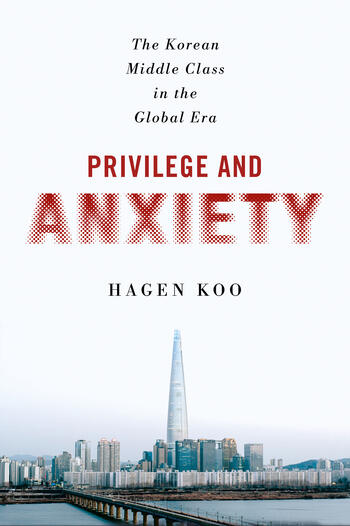
Book cover of Privilege and Anxiety by Hagen Koo

The middle classes in most advanced economies today are frequently described as being “squeezed” and “shrinking.”  Hagen Koo’s recent book, Privilege and Anxiety, examines what has happened to the Korean middle class in the era of rapid globalization and demonstrates that the middle class experiences far more complex changes than usually assumed. Koo argues that globalization inserts an axis of polarization into the middle class, separating a small minority that benefits from the globalized economy and a large majority that suffers from it. This internal differentiation generates new class dynamics, as the newly affluent seek to distinguish themselves from the rest of the middle class and establish a new, privileged class position. The rest of the middle class tries to follow the affluent’s class practices, suffering great anxieties and frustrations. The middle class thus turns into an arena of intense class distinction struggles, bringing great anxieties to both the affluent and the lower segments of the middle.


Image
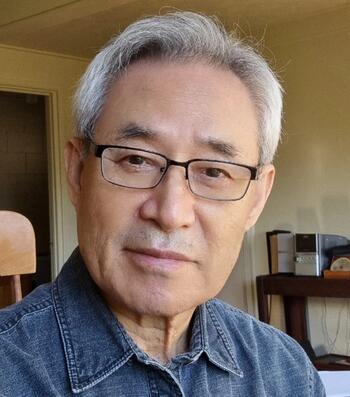
Portrait of Hagen Koo

Hagen Koo is Professor Emeritus of Sociology at the University of Hawaii at Manoa. Born in Korea, Koo received his BA in Korea and briefly worked as a journalist before coming to America where he received a PhD at Northwestern University. He has published extensively on economic development and social change in South Korea. His major work includes Korean Workers: The Culture and Politics of Class Formation (Cornell University Press, 2001). After his retirement in 2017, he spends more time in Korea studying the changing social fabric of Korean society in the global era. Privilege and Anxiety (Cornell University Press, 2022) represents his most recent work.

Discussants:

Alek Sigley is a PhD student at Stanford University's Modern Thought and Literature program, where he is writing a dissertation on North Korea. From 2018-2019 he studied for a master's degree in contemporary North Korean fiction at Kim Il Sung University's College of Literature. He speaks Mandarin, Korean and Japanese. Follow him on Twitter @AlekSigley.

Elisa Kim is a PhD candidate in the department of sociology at Stanford University. Her dissertation theorizes on racialization by systematically investigating the portrayal of minority groups in South Korean newspapers across time using computational methods. Prior to the PhD, she majored in Asian American Studies at Pomona College and has an MA in East Asian Studies from Stanford, researching the relational landscape of North Korean human rights organizations.

This event is made possible by generous support from the Korea Foundation and other friends of the Korea Program.

Gi-Wook Shin

Via Zoom. Register at https://bit.ly/3z8fJog

Hagen Koo Professor Emeritus of Sociology Author The University of Hawaii at Manoa
Seminars
Authors
Noa Ronkin
News Type
News
Date
Paragraphs

Taiwan is currently the single biggest point of contention in U.S.-China relations, and U.S. allies have a crucial role to play in efforts to prevent a great-power war over the island. South Korea, however, has remained relatively ambiguous about its willingness to support U.S. efforts to push back against China’s growing influence in the region, including in the Taiwan Strait. As the Yoon administration is now creating an opening for a more proactive approach, what can South Korea do in a Taiwan contingency?

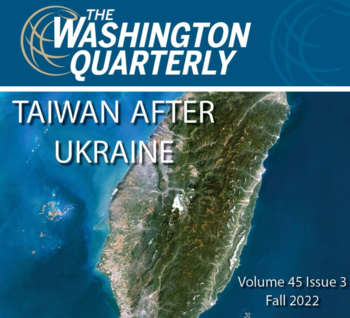
A new article in The Washington Quarterly provides a framework for analyzing South Korea’s potential role in this era of strategic competition through the lens of war over Taiwan. The authors — Oriana Skylar Mastro, a Center Fellow at APARC, and Sungmin Cho, a professor at the Daniel K. Inouye Asia-Pacific Center for Security Studies — build upon traditional concepts of balancing to create a nuanced, operationally relevant strategy for South Korea to contribute to the defense of Taiwan.

They explain South Korea’s approach to the Taiwan issue to date; evaluate South Korea’s strategic importance and what it can do to support U.S.-led efforts to compete with China; explore how China and North Korea may respond to increased South Korean cooperation with the United States, along with the potential obstacles this cooperation could create; and recommend ways to leverage the US-ROK alliance to enhance deterrence against China with respect to Taiwan.


Subscribe to APARC newsletters to receive our scholars’ updates.

There are politically feasible options for South Korea to greatly contribute to US-integrated deterrence in the Taiwan Strait.
Oriana Skylar Mastro and Sungmin Cho

Mastro and Cho recognize that it is operationally and politically infeasible for South Korea to fight side-by-side with U.S. forces against China in a Taiwan scenario or to build its military sufficiently to deter Chinese aggression against Taipei. South Korean strategists must also consider the costs of China’s and North Korea’s potential responses to greater South Korean involvement in defending Taiwan. Still, Seoul can play a significant role in deterring Chinese aggression.

According to Mastro and Cho, South Korea’s optimal strategy to navigate the U.S.-China rivalry should meet two conditions. First, it should contribute to the vision of a free and open Indo-Pacific, including deterring Chinese aggression against Taiwan. Second, it should be able to make China hesitate to take punitive actions against South Korea. Thus, South Korea can provide rear-area support to the United States, such as intelligence gathering, ammunition supplies, or noncombatant evacuation. It can also support the strategic flexibility of US Forces Korea (USFK) and be more proactive in deterring North Korean aggression and provocation to free up U.S. resources to focus on China in a contingency scenario.

Moreover, South Korea could contribute toward forms of “collective resilience” against China’s economic statecraft, such as collective economic sanctions, and leverage its position as one of the world’s leading producers of advanced semiconductors to complicate China’s calculus. Finally, Seoul’s diplomatic support of U.S.-led efforts to defend Taiwan can influence Beijing to take seriously the international community’s potential united response against any attempt to invade Taiwan.

“Given the heightened urgency over tensions in the Taiwan Strait, Washington and Seoul should pursue these options immediately to maintain peace and stability in the region before it is too late,” the authors conclude.

Get The Washington Quarterly article

Read More

Chinese President Xi Jinping is applauded by senior members of the government and delegates.
Commentary

In China, Xi Jinping Is Getting an Unprecedented Third Term. What Should the World Expect?

Xi's plans are long term and unlikely to shift, but he can now be more aggressive than before in their pursuit.
In China, Xi Jinping Is Getting an Unprecedented Third Term. What Should the World Expect?
Hero Image
South Korean soldiers participate in a river crossing exercise with U.S. soldiers.
South Korean soldiers participate in a river crossing exercise with U.S. soldiers in Yeoju, South Korea, October 19, 2022. | Chung Sung-Jun/ Getty Images
All News button
1
Subtitle

Despite obstacles and risks, there are good reasons why South Korea should want to increase deterrence against China. In a new article, Center Fellow Oriana Skylar Mastro and co-author Sungmin Cho chart an optimal strategy for Seoul to navigate the U.S.-China rivalry and support efforts to defend Taiwan.

Paragraphs

Image
Aerial view of Taiwan and text "The Washington Quarterly, Vol 45 Issue 3, Fall 2022"
Compared to alliances like Japan and Australia, which seek to counter potential Chinese aggression, the role of South Korea is often secondary. Particularly with President Yoon’s new government in place, what can South Korea do to support U.S.-led efforts to compete with China, and what are the major hurdles in attaining deeper bilateral cooperation to enhance deterrence over Taiwan? 

To answer this question, the authors build upon traditional concepts of balancing to create a more granular, operationally relevant set of strategies for South Korea. They argue that, while it is politically infeasible for South Korea to fight side-by-side with US forces against China in a Taiwan scenario or to attempt to build its military sufficiently to deter the People’s Republic of China (PRC) from aggression against Taipei, these classic external and internal balancing strategies are not South Korea’s only options.

In this article, they provide background on South Korea’s approach to the Taiwan issue to date; evaluate South Korea’s strategic importance and what it can theoretically bring to the table; and explore how China and North Korea may respond to increased South Korean cooperation with the US, along with the potential obstacles this cooperation could create. Lastly, they recommend ways to leverage the US–South Korean alliance to enhance deterrence against China with respect to Taiwan.

All Publications button
1
Publication Type
Journal Articles
Publication Date
Journal Publisher
The Washington Quarterly
Authors
Oriana Skylar Mastro
Number
3
Authors
Gi-Wook Shin
News Type
Commentary
Date
Paragraphs

This essay originally appeared in Korean on September 30 in Sindonga (New East Asia), Korea’s oldest monthly magazine (established 1931), as part of a monthly column, "Shin’s Reflections on Korea." Translated by Raymond Ha. A PDF version of this essay is also available to download.


It is still the age of America. The Cold War ended with the collapse of the Soviet Union, and Japan failed to overtake the United States in the 1980s. China is now chasing the United States at a blistering pace, but it is still falling short. What are the sources of America’s power?

The first is technological innovation, epitomized by the world-leading companies of Silicon Valley. Intel, Apple, Google, Facebook, Uber, Tesla, Twitter, and many other U.S. businesses have built global platforms in their respective sectors.

The second is military power. As of this year, the U.S. defense budget exceeds $750 billion. This is over three times as large as that of China ($237 billion), which has the second largest national defense budget. Moreover, the United States has the most military allies of any country, and its troops are deployed in every corner of the globe. Although Beijing and Washington are now economic competitors, China has a long way to go in the military domain.

The third is America’s universities. There are approximately 4,000 universities in the United States, including around half of the top 100 universities in the world. America’s universities are incubators for global talent. They host over a million foreign students. This is roughly twice that of the United Kingdom and Canada, which rank second and third in terms of foreign student populations.

Although these three interconnected factors underpin America’s global influence, universities lie at the core of American power. It is widely known that tech giants such as HP, Google, Facebook, and Yahoo have their roots in universities. Silicon Valley would not exist without Stanford or UC Berkeley. These two institutions are successful case studies in how academia can partner with industry. Stanford alumni have created countless companies, and Berkeley is the largest source of scientists and engineers for Silicon Valley.

The Pentagon annually dedicates roughly $1 billion toward funding basic research at universities. Technologies that are initially developed for military purposes are sometimes commercialized. A well-known example is the Global Positioning System (GPS), which was developed by the Department of Defense in 1973. After Korean Air Lines flight 007 was shot down by a Soviet fighter plane in 1983, President Reagan approved the use of GPS for commercial purposes.

There is fluid cooperation between the U.S. government, industry, and academia. Universities are at the heart of this trilateral partnership. Moreover, universities are becoming Americanized not only in Asia, but also in Europe, where many schools boast a long and proud history. More and more lectures are taught in English, and there is an emphasis on collaborating with the private sector.

Demographic changes have already begun to reduce student enrollment in Korea, and many schools face an increasingly bleak financial situation. Moreover, the regional imbalance between schools in and outside the Seoul metropolitan area continues to deepen.
Gi-Wook Shin

What, then, explains the power and influence of America’s universities? In this essay, I seek to answer this question based on my experiences during the 30 years I have spent as a professor in the United States. I also consider how this might inform the future of Korea’s universities, which are losing their vitality. Demographic changes have already begun to reduce student enrollment in Korea, and many schools face an increasingly bleak financial situation. Moreover, the regional imbalance between schools in and outside the Seoul metropolitan area continues to deepen.[1] Whether Korea’s universities can overcome these pressing challenges will have critical implications for the country’s future. The Yoon Suk-yeol administration has vowed to pursue reforms in three areas: labor policy, pensions, and education. It is thus timely and important to examine how the educational policies of other countries could inform Korea’s own policies.

Promoting Coexistence and Cooperation

Whether it is in politics, economics, society, or culture, the health and effectiveness of any institution depends on the nature of the ecosystem that surrounds it. An institution cannot persist unless it promotes coexistence and facilitates fluid cooperation between its constituent members.

Let us begin by surveying the overall landscape of America’s higher education ecosystem. According to statistics from 2019, there are roughly 4,000 universities in the United States. About half are private institutions, and the other half consist of public universities that are associated with states or cities. Some schools have four-year programs, while others offer two-year degrees. Large research universities focus on research and training PhD students, whereas liberal arts schools tend to be smaller and dedicate resources to undergraduates. There are also community colleges that are open to anyone with a high school diploma. Although a minority, there are also for-profit colleges and universities, as well as those that only offer online classes.[2]

To ground the discussion, let us focus on the state of California, where I currently live. Its population of 40 million is slightly smaller than that of Korea, but its economy is about 1.7 times larger. There are large private universities such as Stanford and USC, as well as renowned liberal arts schools, such as Pomona College. California arguably maintains the most robust system of public universities in the United States.

California’s public schools consist of the University of California (UC), California State University (CSU), and community colleges. The UC system consists of 10 campuses, including those in Berkeley, Los Angeles, and San Diego, with a total enrollment of around 300,000. For California residents, the annual tuition fee is roughly $14,000 (as of 2022). This is much more affordable than private universities, which commonly charge upwards of $60,000. UC schools not only have highly regarded undergraduate programs, but also run reputable graduate programs and generate substantial research output.

The CSU system consists of 500,000 students across 23 campuses. There are many minority students, including Hispanic and Latino Americans. Admission is less competitive than at UC schools, with an admission rate of around 80%. Tuition fees are also cheaper, at $6,000 per year. There are many part-time students and faculty, and it typically takes six to eight years to graduate. CSU schools offer highly specialized programs. For example, over half of California’s certified schoolteachers are CSU graduates.

Lastly, California has 116 community colleges that offer two-year degrees. Tuition fees are only $2,000 a year. Classes are open to anyone with a high school diploma (or equivalent), and there are a total of 2.1 million students. Most importantly, the UC system, CSU schools, and community colleges maintain close relationships with each other. By doing so, they uphold a robust system of public schools in California.  

Transfer Students: Providing a Second Chance

UC schools are popular among prospective students and have low admission rates. However, only two-thirds of admitted students are high school graduates. The remaining third are transfer students, most of whom are community college graduates. According to data published by UCLA for 2021, 6,585 incoming students came directly from high school. There were 3,436 transfer students, and 93% of them had graduated from community colleges.

UC schools, CSU schools, and community colleges complement each other to sustain a stable ecosystem of public universities in California. This stands in stark contrast to Korea, where schools in the Seoul metropolitan area engage in a zero-sum competition...
Gi-Wook Shin

Furthermore, 44% of UCLA’s transfer students in 2021 were the first in their families to attend college. 36% were from ethnic minorities, and 72% received financial aid. The admission rate for transfer students was 19%, which was higher than the 11% admission rate for high school seniors. This is typical of schools in the UC system. If transferring to a UC school is difficult, students opt to transfer into a CSU school instead. For students who cannot immediately attend a four-year college after high school due to financial considerations or other personal circumstances, transfer applications offer a valuable second chance.

In this way, UC schools, CSU schools, and community colleges complement each other to sustain a stable ecosystem of public universities in California. This stands in stark contrast to Korea, where schools in the Seoul metropolitan area engage in a zero-sum competition with schools in other regions. Moreover, it is common for students in Korea to retake the College Scholastic Ability Test (CSAT) multiple times in the hopes of obtaining a better score to attend a highly ranked university.[3] After graduating high school, these students dedicate at least a year studying for the CSAT. The college one attends has an outsized impact on future job prospects and social standing in Korea, and there are no other pathways available.

One way [to revitalize Korea’s universities] is to implement structural reforms among public universities such that a quarter of Seoul National University’s (SNU) admissions quota is allocated to transfer students from public schools in other regions.
Gi-Wook Shin

How might we revitalize Korea’s universities? One way is to implement structural reforms among public universities such that a quarter of Seoul National University’s (SNU) admissions quota is allocated to transfer students from public schools in other regions.[4] In turn, public universities outside of Seoul could allocate a quarter of their admission quotas to students from professional schools that offer two- or three-year degrees.[5] Creating these pathways could allow SNU, regional public universities, and professional schools to form a more fluid, cooperative ecosystem of higher education. Some may respond that the differences in academic standards and expectations between SNU and regional public universities are too large to make this feasible. However, it is not uncommon to see transfer students from community colleges excel at schools with rigorous academics, such as UC Berkeley or UCLA. In fact, the graduation rate is higher among transfer students (88%) than those who entered as freshmen (84%).

By creating such pathways between different elements of the higher education ecosystem, it will be possible to ease the pressure on students. They will have alternatives to retaking the CSAT. Enabling the opportunity to transfer into different schools will also ease social inequalities. If they are willing, students at professional schools will be able to pursue further studies at regional public universities. In turn, students at these public universities will have the chance to study at SNU. This will help loosen the rigid vertical hierarchy among Korea’s universities and enhance diversity in higher education.

Why a Perfect SAT Score is Not Enough

Even carefully crafted institutions cannot fully realize their intended effects without the right people. Colleges and universities in the United States apply a variety of standards to select the faculty and students who make up the academic community.

At comprehensive research universities like Stanford or UCLA, faculty are evaluated primarily by their research output. The expression “publish or perish” reflects this reality. On the other hand, liberal arts colleges value teaching and mentoring as much as research. For faculty at community colleges, there is an emphasis on training and preparing students to successfully transfer into four-year colleges.

In the United States, the tenure system is the cornerstone of academia. Unless they are implicated in criminal activities, tenured professors can teach for as long as they want. (In Korea, tenured professors must retire by the age of 65.) Although the tenure system ensures job security, its primary purpose is to protect academic freedom. It enables professors to freely explore and debate ideas regardless of external circumstances, including the political atmosphere. This privilege is granted only after a rigorous evaluation. The most important factor in this process, which usually takes a year to complete, is the candidate’s academic caliber. The assessment is relatively objective, as it involves 12 or more outside experts.

Those who are denied tenure are given one year to find a position at a different school. If their research output is held in high regard, it is possible to transfer to a more prestigious institution. There is a fierce competition between schools to attract talented professors. Even if professors are denied tenure and move to a lower-ranked university, they can work to enhance their research portfolio to transfer to another university later on. In other words, the academic job market is much more flexible than that of Korea. I began my academic career at the University of Iowa, where I taught for three years. I then taught at UCLA for seven years before moving to Stanford in 2001. It is very rare for professors to move between three schools in Korea.

The selection of students is just as important as the hiring of faculty. Prestigious schools in the United States, including Stanford, do not admit students solely on the basis of academic excellence. Admissions offices use grades and SAT scores to assess an applicant’s academic ability, but these numbers alone do not guarantee admission. It is certainly not unheard of for straight-A students with multiple AP exams and a perfect SAT score under their belts to be denied admission. In recent years, colleges and universities have begun to phase out standardized test scores from the admissions process. UC schools have announced that they will be dropping the requirement altogether.

More than Just Academics

Colleges and universities in the United States vary considerably in their size, character, and founding mission. Schools thus apply a variety of criteria in the admissions process. In general, more reputable universities tend to admit students with a view to nurturing individuals who will make important contributions to American society and the world. Along these lines, the two decisive factors in evaluating applicants are leadership and commitment.

In Korea, students spend an enormous amount of time and resources to build up their resume. . . . Students with extensive qualifications and experiences may appear brilliant on the surface, but it is hard to tell whether they have a sincere passion for any subject or activity...
Gi-Wook Shin

Leadership requires a sense of responsibility toward one’s community. It begins from a willingness to serve others and prioritize their needs above one’s own. The notion of commitment cannot be easily translated into Korean, but it refers to a persistent dedication to an area that one is passionate about, whether it is an academic subject, athletics, music, or community service.

In Korea, students spend an enormous amount of time and resources to build up their resume. This is colloquially referred to as “building up one’s spec,” which is short for specification. Students with extensive qualifications and experiences may appear brilliant on the surface, but it is hard to tell whether they have a sincere passion for any subject or activity at all. Just like the students and parents portrayed in the popular drama “SKY Castle,” an impressive resume may be nothing more than an exquisite mirage.[6] Colleges in the United States tend to seek out students who have shown a steadfast commitment to an activity or issue, more so than students with the most impressive academic credentials.

American universities also emphasize diversity when admitting students. At Stanford, students from ethnic minorities make up over half the student body. The gender distribution is also balanced, with 49% male students and 51% female students. As I mentioned in my previous column about diversity, schools in the United States place a high value on diversity when selecting students and faculty, even though they do not apply affirmative action policies.[7] Accordingly, applicants must be able to demonstrate how they can make a unique contribution to the academic community, instead of striving to meet a uniform standard based only on grades and test scores.

For students, life on campus is not confined to the classroom. It is not necessary to select only those students with the highest grades. Universities should be a place for cultivating leaders who not only possess a sense of responsibility toward their community, but also fulfill necessary roles in society. When students from varied backgrounds and diverse interests come together, they will spark each other’s curiosity. It is not a coincidence that the founders of companies like Google or Yahoo formulated innovative ideas while they were students at Stanford. In this way, admissions policies can directly influence a school’s atmosphere.

Korea should also give serious thought to how it can prepare and nurture students for the 21st century, so that they can contribute to Korea and the global community. The Yoon administration’s education policies must incorporate measures to achieve this goal.

Meeting Social and Economic Demands

Universities do not exist in a vacuum. They should not be an ivory tower, detached from the rest of society. Rather, they must play a proactive role in tackling important social and economic problems.

Frederick Terman, who served as a professor of engineering and provost at Stanford, was a pioneer of academia-industry collaboration. He is widely known in Korea for his role in establishing the Korea Advanced Institute of Science and Technology (KAIST), which is one of the country’s most prestigious science and engineering schools. Terman also played a central role in the 1951 creation of Stanford Industrial Park, which hosted high-tech firms. He was a visionary who encouraged students to create companies. Since then, Stanford graduates have established 40,000 companies. Terman is widely regarded as the “father of Silicon Valley.” Such momentous developments were possible because Terman, as an academic administrator, positioned Stanford to directly contribute to emerging social and economic trends. Stanford has played a leading role in major technological developments for many decades, from semiconductors to the IT boom and now artificial intelligence.

This year, Stanford launched the Doerr College of Sustainability. It was the first time in 70 years that Stanford established a new school. This is an intriguing development, since schools within universities typically focus on professional fields—engineering, medicine, or business—instead of addressing specific issues that may not be well known to the general public. By creating this new school, Stanford seeks to play a leading role in researching and devising solutions to two critical challenges that humanity will face in the coming decades: climate change and the energy crisis. In addition to drawing on existing faculty from other departments, Stanford plans to hire 60 new faculty members, with the goal of connecting scientific research to policy issues.

A $1.1 billion donation from Ann and John Doerr, one of Silicon Valley’s most successful venture capitalists, was crucial to the school’s establishment. Gifts from other donors brought the total to $1.69 billion. As in this case, outside donations often enable America’s universities to prepare for the future. Private institutions such as Harvard ($53.2 billion) and Stanford ($37.8 billion) have sizable endowments. Public schools are no exception. The University of Texas system has an endowment of $42.1 billion dollars, and the UC system has $12.1 billion. Universities rely on these resources for their long-term development.

In Korea, these donations are commonly misunderstood as payments to secure admissions. It is true that private universities have legacy admissions to account for familial ties or recognize those who have contributed to the school’s development. However, it is difficult to imagine students being accepted only because of donations. In fact, there have been several cases in recent years where parents who engaged in these practices were found criminally responsible. The students also had their admissions revoked.

Korea’s universities face a difficult financial situation. Both tuition fees and professors’ salaries have been frozen for a decade. Donations from individuals and companies are negligible.
Gi-Wook Shin

As is the case with the Doerrs, colleges and universities in the United States use outside donations to address future challenges and support pioneering research. Furthermore, donations allow schools to hire talented professors and provide financial assistance to students from low-income households. At Stanford, families with an annual income below $75,000 do not have to pay tuition, room or board. At UCLA, around 45% of all students are exempt from paying tuition. Schools in the U.S. offer merit-based scholarships as well, but need-based scholarships are far more common. There are policies to help ease the financial burden for those who seek to pursue a college degree. In the bigger picture, donations to universities are a form of redistribution. To incentivize such donations, individuals are allowed to claim tax deductions for donations to non-profit educational institutions.

Korea’s universities face a difficult financial situation. Both tuition fees and professors’ salaries have been frozen for a decade. Donations from individuals and companies are negligible. Stanford and SNU have roughly the same number of faculty, but Stanford’s annual operating budget ($8.2 billion) is many times larger than that of SNU ($1.1 billion). Korea’s Ministry of Education allocates 12 trillion won ($8.3 billion) in its budget toward universities. This is only one-sixth of the ministry’s budget for preschool and elementary school, and is the lowest among OECD countries.

Universities cannot play a proactive role in addressing economic and social challenges unless they are financially stable. The Korean government must provide greater resources to universities, while also giving them more latitude. There should be incentives for individuals and companies to donate to universities with an eye to the future. At the same time, universities must maintain a sense of social responsibility and be faithful to their role in leading the way toward the future.

The Perils of Short-term Governance

The last issue is internal governance. Compared to Korea, administrative leaders at American universities stay in office for a much longer duration. This yields greater continuity. Charles Young, who served as chancellor when I was at UCLA, led the university for 29 years. John Hennessy, who was Stanford’s president when I arrived in 2001, served in that position for 16 years. Deans also typically serve for many years. In my case, I have been the director of the Shorenstein Asia-Pacific Research Center (APARC) at Stanford since 2005.

The governance of U.S. colleges is decentralized to a significant degree, compared with Korean universities. There are specific matters that require the dean’s approval, such as hiring decisions for faculty. Some issues require the assistance of legal counsel. By contrast, in Korea, most issues must be reviewed by the university’s administrative headquarters, which reports to the president. For example, suppose that Shorenstein APARC pursues a partnership with a research center at a Korean university. Issues that I can directly approve as APARC’s director often require the approval of administrative headquarters on the Korean side.

Although the governance of American universities is decentralized, faculty members must work within strictly prescribed boundaries. At Stanford, professors have to submit two documents to the university every May. (There are similar procedures at other schools.) Faculty members have to declare whether there were any conflicts of commitment over the past year, as well as any conflicts of interest.

Several years ago, a Korean university approached me to offer a position as an adjunct professor. It seemed like a promising opportunity. I asked the Stanford administration whether this arrangement would be possible, but I was told that there would be a conflict of commitment. I had no choice but to respectfully decline the offer. Stanford allows its faculty to spend 52 days a year on external activities, including consulting. However, any activities that seriously impede the ability to fulfill one’s basic duties as a Stanford professor are strictly regulated, as they are considered to create a conflict of commitment.

The same is true for conflicts of interest. Professors who wish to participate in external projects must adhere to detailed regulations to avoid conflicts of interest. There are also measures to protect the school’s reputation. For example, Stanford’s logo or name cannot be used in external consulting projects. Moreover, Stanford faculty cannot take on positions with decision-making authority, such as director or manager, while taking part in these projects.

As is the case with Korea’s politics, university presidents only serve for a short period of time. This undermines continuity in leadership. Most university presidents in Korea serve one four-year term, with no possibility of a second term, regardless of their performance.
Gi-Wook Shin

Korea’s universities could also consider institutionalizing strict rules for professors’ activities, allowing for freedom within these boundaries. In Korea, there are frequent controversies about so-called “polifessors,” or professors who engage in political activities. Questions often arise about the appropriate scope of external activities for professors. It may be helpful to examine these issues from the perspective of conflict of commitment and conflict of interest.

As is the case with Korea’s politics, university presidents only serve for a short period of time. This undermines continuity in leadership. Most university presidents in Korea serve one four-year term, with no possibility of a second term, regardless of their performance. Deans and other administrative positions also only last between two and four years. It is thus difficult to create and implement long-term, future-oriented plans. Instead, there is a narrow focus on achieving short-term goals. When a new president takes the helm, he or she tends to break from the predecessor’s policies.

These structural issues are inextricably tied to the direct election of university presidents. In many Korean universities, faculty members vote for the university president. This would be unimaginable in the United States, where schools usually form a search committee consisting of professors, members of the board of trustees, and alumni. After thoroughly evaluating and considering candidates for at least several months, this committee selects the next president. Given the rigorous nature of this process, presidents typically serve for many years as long as there are no serious concerns about their performance. The direct election of university presidents was a natural and legitimate outgrowth of Korea’s democratization, but it has created serious side effects, including the politicization of the academy. It is time to reform the governance structures of Korea’s universities.

The Driving Force of a Global Superpower

There continue to be debates about the decline of American power, but the United States still remains a global hegemon. Its ability to lead and influence the world arises in no small part from its universities, which are the source of America’s technological innovation and its military and economic heft. Korea’s dramatic transformation over the past 70 years was also driven by an intense focus on education, giving rise to a highly skilled and educated population.

Today, Korea’s universities face a serious crisis. There are severe regional imbalances between schools in the Seoul metropolitan area and other parts of the country. Universities lack the financial resources to create and implement long-term plans. Furthermore, the governance of Korea’s universities has become excessively politicized. For Korea to leap into the future, its universities need to be revitalized. As it pursues educational reforms, the Yoon administration must remember that the country’s future depends on its universities.


[1] The Seoul metropolitan area is often considered to include Incheon and Gyeonggi Province, as well as Seoul proper. These areas are connected to Seoul by rapid transit.
 

[2] National Center for Education Statistics, table 317.10, “Degree-granting Postsecondary Institutions, by Control and Level of Institution: Selected Years, 1949-50 through 2019-20,” https://nces.ed.gov/programs/digest/d20/tables/dt20_317.10.asp?current=yes.
 

[3] The CSAT, commonly known as su-neung, is a nationwide exam that is administered once a year. The test is taken by high school seniors, as well as high school graduates seeking to obtain a better score. One’s CSAT score has a decisive impact on prospects for college admissions. For a brief overview of su-neung, see “Suneung: The day silence falls over South Korea,” BBC News, November 26, 2018, https://www.bbc.com/news/world-asia-46181240.
 

[4] Seoul National University is widely regarded as the most prestigious university in Korea.
 

[5] These professional schools are also referred to as junior colleges. For a more detailed explanation, see “Higher Education in Korea,” Study in Korea, https://www.studyinkorea.go.kr/en/overseas_info/allnew_higherEducation.do.
 

[6] This drama, which aired from 2018 to 2019, portrays the cutthroat competition between parents in upper-class households to send their children to Seoul National University. The title is a play on a widely used acronym for the three most prestigious universities in Korea: Seoul National University, Korea University, and Yonsei University, which are collectively referred to as the “SKY” universities.
 

[7] Gi-Wook Shin, “Beyond Representation: How Diversity Can Unleash Korea’s Innovation,” June 30, 2022, https://aparc.fsi.stanford.edu/news/beyond-representation-how-diversity-can-unleash-korea%E2%80%99s-innovation.

DOWNLOAD A PDF VERSION OF THIS ESSAY

Read More

 South Korean President Yoon Suk Yeol waves a national flag during the celebration of the 77th National Liberation Day at Presidential House on August 15, 2022 in Seoul, South Korea.
Commentary

The Path Ahead for Yoon

How Korea’s New President Can Recover from His First 100 Days of Struggles.
The Path Ahead for Yoon
11th annual Korea Program Prize for Writing in Korean Studies awarded
News

11th Annual Korean Studies Writing Prize Awarded

Two PhD students were awarded the 11th annual Korea Program Prize for Writing in Korean Studies for their papers.
11th Annual Korean Studies Writing Prize Awarded
Stanford campus archway and text about call for applications for APARC 2023-24 fellowships
News

APARC Invites Fall 2023 Asia Studies Fellowship Applications

The Center offers a suite of fellowships for Asia researchers to begin fall quarter 2023. These include postdoctoral fellowships on contemporary Japan and the Asia-Pacific region, inaugural postdoctoral fellowships and visiting scholar positions with the newly launched Stanford Next Asia Policy Lab, and fellowships for experts on Southeast Asia.
APARC Invites Fall 2023 Asia Studies Fellowship Applications
Hero Image
A university building lobby with people sitting and talking.
All News button
1
Subtitle

Lessons from the United States

-
Flyer for Hyunjoon Park's talk with his portrait

In this talk, Hyunjoon Park will give a brief overview of how Korean families have changed over the last three decades in various family behaviors. Although the trends of falling marriage rates and rising divorce rates, along with the increase in the population living alone, are well known, less known is divergence in those family behaviors between the more and less educated. Tracing family changes differently for those at higher and lower ends of the educational hierarchy highlights growing educational differentials in family life. Compared to their college-educated counterparts, it is increasingly difficult for those without a college degree to form and maintain a family in Korea, making the Korean family a 'luxury good.'

Image
Hyun Joon Park headshot

Hyunjoon Park is Korea Foundation Professor of Sociology and director of the James Joo-Jin Kim Center for Korean Studies at the University of Pennsylvania. Park is interested in education, inequality and family in cross-national comparative perspective, focusing on South Korea and other East Asian societies. In recent years, he has studied changes in marriage, divorce, and living arrangements as well as consequences of demographic and economic trends for education, well-being, and socioeconomic outcomes of children, adolescents, and young adults in Korea. Park has published more than 70 peer-reviewed papers in leading journals. He is the author of the book, Re-Evaluating Education in Japan and Korea: De-mystifying Stereotypes (2013 Routledge) and a Korean-language book, Changes in Intergenerational Social Mobility: Has Korean Society Become More Open? (2021, Pakyoungstory). A new book, Diversity and the Transition to Adulthood in America, coauthored with Phoebe Ho and Grace Kao, has been published this summer from the University of California Press.

This event is made possible by generous support from the Korea Foundation and other friends of the Korea Program.

Gi-Wook Shin

Via Zoom. Register at https://bit.ly/3y5ZbfS

Hyunjoon Park Professor of Sociology, University of Pennsylvania
Seminars
-

Experts from academia and the policy world will discuss the ongoing human rights crisis in North Korea, with a focus on the roles of the South Korean and United States governments in addressing this issue. The conference will also explore the human rights implications of North Korea’s response to the massive coronavirus outbreak in the country as well as China’s complicity in North Korea’s human rights abuses. Against this backdrop, the event will emphasize the role that the South Korean and United States special envoys for North Korean human rights can play in engaging the North Korean regime on human rights issues. This is especially important given that the Biden administration still has yet to fill the position of a Special Envoy on North Korean Human Rights—a position mandated by the North Korean Human Rights Act of 2004.

Agenda

10:30 – 10:40 AM PT | Welcoming Remarks
Victor Cha, Senior Vice President for Asia and Korea Chair, CSIS; Vice Dean and D.S. Song KF Professor of Government, Georgetown University
Gi-Wook Shin, Director of the Shorenstein Asia-Pacific Research Center and William J. Perry Professor of Contemporary Korea, Stanford University

10:40 – 11:50 AM PT | SESSION I : The Role of Congress and U.S. Government in North Korean Human Rights
Panelists:
Rep. Chris Smith (R-NJ), Co-Chair, Tom Lantos Human Rights Commission; Ranking Member, Congressional-Executive Commission on China
Frank Wolf, Commissioner on the U.S. Commission on International Religious Freedom

Moderator:
Gi-Wook Shin, Director of the Shorenstein Asia-Pacific Research Center and William J. Perry Professor of Contemporary Korea, Stanford University

11:50 AM – 12:00 PM PT | Break

12:00 – 1:30 PM PT | SESSION II : The Role of Special Envoys in the North Korean Human Rights Issue
Panelists:
Ambassador Shin-wha Lee, Ambassador of International Cooperation on North Korean Human Rights, Republic of Korea
Ambassador Robert King, Senior Adviser (non-resident), Korea Chair, CSIS; Former U.S. Special Envoy for North Korean Human Rights

Moderator:
Victor Cha, Senior Vice President for Asia and Korea Chair, CSIS; Vice Dean and D.S. Song KF Professor of Government, Georgetown University

This signature event will be co-hosted with the Center for Strategic & International Studies (CSIS)

Online-only

Seminars
-
Portraits of Myung Hwan Yu and Gi-Wook Shin with text about Oct 18 webinar on the implications of US-China competition for South Korea

This event is part of APARC’s 2022 Fall webinar series, Asian Perspectives on the US-China Competition.

With rising Sino-U.S. tensions, South Korea has increasingly been in a difficult position to choose policy decisions that may tilt it towards one hegemon or the other. The new Yoon Administration signaled its strengthened alliance with the U.S. by attending the NATO summit and joining the Indo-Pacific Economic Framework (IPEF), but there are concerns that such actions run the risks of potential economic backlash from China. With increasing tensions between the U.S. and China, what diplomatic and economic options are left for South Korea? How does the domestic political environment such as the rise of anti-China sentiments and the return of pro-alliance conservatives back to power influence South Korea’s outlook on international affairs? Former South Korean Foreign Minister Yu Myung Hwan, in conversation with Professor Gi-Wook Shin, will discuss the South Korean perspective on the rising U.S.-China rivalry.

Image
Myung Hwan Yu, former foreign minister of South Korea

 Myung Hwan Yu, former Minister of Foreign Affairs and Trade of South Korea, also served as Ambassador to Israel, Japan and Philippines, and as Minister of the Permanent Mission to UN. His experience extends across a broad range of issues in international relations including trade, security and nuclear negotiations with North Korea. After his retirement from the foreign ministry, Ambassador Yu was board chairman of the Sejong University in Seoul, visiting scholar in the Korea Program at APARC; and he is currently a senior advisor at Kim & Chang Law Office.

This event is made possible by generous support from the Korea Foundation and other friends of the Korea Program.

Gi-Wook Shin

Via Zoom: Register at https://bit.ly/3LjfeMW

Myung Hwan Yu <i>former Minister of Foreign Affairs and Trade of South Korea</i>
Seminars
Authors
Michael Breger
News Type
Q&As
Date
Paragraphs

Each summer, Stanford students assist APARC faculty on a variety of projects as research assistants (RAs). For Master’s in East Asian Studies candidate Kerstin Norris, working with Center and Korea Program Director Gi-Wook Shin provided the opportunity to conduct literature reviews of the field of race studies and build her skills in a collaborative research environment.

Norris, who intends to pursue a doctoral degree in Sociology with a research emphasis on Korean Studies, described the experience of working closely with Stanford faculty and peer researchers as particularly valuable in designing her own research projects and giving her direction for her future dissertation.

In the following Q&A, Norris discusses her research assistantship experience this summer. The interview was slightly edited for length and clarity.


Sign up for APARC newsletters to receive research and commentary updates from our scholars


First, tell us a bit about yourself and your academic interests and extracurriculars. 
I am currently a master’s student within the Center for East Asian Studies and primarily focus on South Korea, militarism, labor, and migration. I am originally from Xenia, Ohio where not much happens. So, when I told my family I was interested in international studies as an undergraduate and later East Asia as a graduate student, I was always the odd man out. I knew that I was meant to leave my small town but was unsure what I was destined to do. At the Ohio State University, I found a love for international relations, political theory, and research with an interest in East Asia (I have Korean and Japanese pop and rock music to thank for that). I decided to apply to Stanford’s East Asian Studies master’s as a bridge for a PhD in Sociology in order to gain more knowledge.  

Why did you choose to work with Dr. Shin? 
I actually chose to attend Stanford in order to work with Dr. Shin. His work is globally renowned in East Asian studies and especially Korean studies. Before committing to Stanford, I had a Zoom call with Dr. Shin about the CEAS program and the university’s opportunities. I knew I wanted to become an academic, but the incredible competitiveness in the job market always made me apprehensive to go forward with that career route. The uncertainty about job prospects after graduation felt daunting, although I could not imagine doing anything else, given my love for teaching and research. However, after my call with Dr. Shin, I knew I had to give it a shot. He told me that it was possible for me to become a scholar if I wanted to and had the grit. He really inspired me, so it was natural for me to want to work under Dr. Shin as an RA. 

Can you describe the research assistantship?
Because we were in the beginning stages of a project, the job consisted primarily of conducting literature reviews of the field of race studies and searching for case studies for the job. After completing the literature reviews, my teammates and I had biweekly meetings in which we discussed the content we read and attempted to theorize our own understanding of race and racism within the Asian context. The next team will be doing far more empirical work and working closely with case studies. To those unfamiliar with academia, I might describe this research as an attempt to gain a greater understanding of how racism operates in an Asian context. A lot of scholarship concerning what race is and how it operates within the world is very Western-centric or applies a Black-White lens, so it is important to understand how it potentially manifests across the Asian continent.  

What did you learn over the course of your research assistantship and how do you think it will help you in your career? 
Given that I want to be a professor in Sociology and Korean studies, this research directly correlated to my future career. I had been an RA in the past, largely doing archival research and general literature reviews. However, this RA-ship was different in that it really challenged me to work within a team, become more familiar with a field I hadn’t studied, and build a project from ground zero. Because of the RA-ship, I will be better prepared to design my own research projects, most importantly my future dissertation.

What's next for you? 
In the fall, I will be doing an exchange quarter at Sungkyunkwan University where I will be taking Korean studies courses taught in Korean. I will then return to Stanford to write my master’s thesis and graduate. Hopefully, I will then apply to PhD programs!   

Any advice for Stanford students considering a summer RA position? 
For those considering a summer RA position, I would make sure that the research interests you and somewhat aligns with something you’d like to do in the future, even if it isn’t academia. I would also highly recommend working in an RA position with a team. Having done research alone and in a team setting, I recognize how much I gained from hearing others’ thoughts and debating concepts and theories. That was the most fruitful part of my summer experience.

Learn more about APARC’s summer research assistant internships and other training opportunities for Stanford undergraduate and graduate students >

Read More

 South Korean President Yoon Suk Yeol waves a national flag during the celebration of the 77th National Liberation Day at Presidential House on August 15, 2022 in Seoul, South Korea.
Commentary

The Path Ahead for Yoon

How Korea’s New President Can Recover from His First 100 Days of Struggles.
The Path Ahead for Yoon
Jerome He
Q&As

Research Assistant Spotlight: Jerome He Examines Great Power Competition with Oriana Skylar Mastro

Political Science major Jerome He ‘24, spent the summer assisting APARC Center Fellow Oriana Skylar Mastro. He leveraged the opportunity to expand his knowledge of Chinese security issues and refine his research acumen. We spoke with He about his experience as a research assistant and his time working for Dr. Mastro.
Research Assistant Spotlight: Jerome He Examines Great Power Competition with Oriana Skylar Mastro
Tongtong Zhang
Q&As

Predoctoral Fellow Spotlight: Tongtong Zhang Examines Channels for Public Deliberation in China

Political Scientist and APARC Predoctoral Fellow Tongtong Zhang explores how the Chinese Communist Party maintains control through various forms of political communication.
Predoctoral Fellow Spotlight: Tongtong Zhang Examines Channels for Public Deliberation in China
Hero Image
Kerstin Norris
All News button
1
Subtitle

MA in East Asian Studies candidate Kerstin Norris spent the summer assisting APARC and Korea Program Director Gi-Wook Shin with his research on racial tensions in Asia. Looking to pursue a PhD in Sociology, Norris found tremendous value in a collaborative academic environment. We spoke with Norris about her experience as a research assistant and her time working with Dr. Shin.

Subscribe to South Korea