Roz Naylor, Director of the Center on Food Security and the Environment talks how technology will help meet the growing demand for food and water in the developing world and why tech companies should invest in Africa.
Hero Image
Roz Naylor and Russ Altman talk the future of food security. | Stanford Radio
Recent mortality trends in the United States are disturbing. Life expectancy for the total population decreased in 2015 for the first time since 1993, with larger decreases for some groups than others. Inequality in life expectancy has stopped falling and along some dimensions — such as between low-income and high-income Americans — it is increasing.
Analyses of mortality data from 1950 to 2015 help put recent trends in perspective, show that life expectancy and inequality in life expectancy are usually negatively correlated, and suggest changes in health policy that could reduce inequality in life expectancy and help people live longer, write Stanford Health Policy experts Victor R. Fuchs and Karen Eggleston in their new policy brief for the Stanford Institute for Economic Policy Research. Both are also senior fellows at the Freeman Spogli Institute for International Studies.
Current efforts to improve survival, and much of the research funded by the National Institutes of Health, are heavily weighted toward fighting heart disease and cancer, the leading causes of mortality and afflictions suffered most often by older Americans. By devoting more resources to preventing the killers of our younger population — such as suicide, gunshots, and accidents, especially motor vehicle traffic accidents — policymakers can take a significant step toward increasing U.S. life expectancy to a rate equal to that of most other developed countries.
When a close relative dies, the stress can be overwhelming. But for many adults and children, mourning and grief often give way to healing.
A pair of Stanford scholars now focuses on the impact that loss has on often-overlooked family members: babies. A new publication by Petra Persson and Maya Rossin-Slater indicates that losing a loved one during pregnancy may actually impact the mental health of the child as he or she grows into adulthood.
“We find that prenatal exposure to the death of a maternal relative increases take-up of ADHD medications during childhood and anti-anxiety and depression medications in adulthood,” the researchers wrote in the April edition of the American Economic Review.
Petra Persson
Both are faculty fellows at the Stanford Institute for Economic Policy and Research (SIEPR); Rossin-Slater is an assistant professor of health research and policy with Stanford Medicine and Persson is an assistant professor of economics in the Department of Economics.
“Of course, you cannot prevent family members from dying, and we certainly do not want our findings to constitute yet another source of stress for expecting mothers, who already face rather intense pressure to eat the right foods, avoid activities deemed harmful, and experience an avalanche of health advice,” Persson said. “But our findings potentially point to the importance of generally reducing stress during pregnancy, for example through prenatal paid maternity leave and programs that provide resources and social support to poor, pregnant women.”
Their research focused specifically on singleton children in Sweden born between 1973 and 2011 whose mother lost a close relative during her pregnancy. They used population registers to construct family trees that span four generations, from the children to their maternal great-grandparents. Their sample included all children whose mother lost a close relative — a sibling, parent, maternal grandparent, the child’s father or her own older child — in the nine months after the child’s date of conception or the year after the child’s birth. The study did not account for the quality of those relationships.
Their analysis compared the outcomes of children whose mothers experienced a relative’s death while they were pregnant with those of children whose maternal relatives died in the year after birth. They were thus able to isolate the impacts of fetal exposure to maternal stress from bereavement from all other consequences associated with a family member’s passing, such as changes to family resources or household composition, which affect all children in their sample.
Additionally, by considering the deaths of different relatives, their approach presents a new measure of intensity of stress exposure: the closeness between the mother and the relative who passed in the family tree.
The researchers merged the Swedish data with information about the children’s health throughout childhood and into adulthood, using birth and medical records. They were aided by Sweden’s novel prescription drug registry, which contains all prescription drug purchases and the exact substances and doses prescribed in the country.
“Our research suggests that policies that can reduce stress during pregnancy can have substantial benefits for the next generation,” Rossin-Slater said in an interview. “Moreover, since poor families are more likely to experience stress than more advantaged ones, our results imply that stress-reducing policies that target low-income pregnant women could play a role in mitigating the persistence of socio-economic inequality across generations.”
Persson and Rossin-Slater said they were initially inspired by two recent economic studies using data from Uganda and Iraq, which found that fetal exposure to malnutrition has adverse consequences for adult mental illness.
“Our study offers complementary evidence linking early-life circumstance to adult mental health, but breaks new ground by focusing on stress,” the authors wrote, “which may be more pertinent than malnutrition in modern developed countries such as the United States and Sweden, and by tracing health outcomes throughout the time period between the fetal shock and adulthood.”
Mental illness results in great financial and social costs. In 2008, the market for prescription drugs treating depression totaled $9.6 billion in the United States alone, a sales volume exceeded only by cholesterol and pain medications.
In 2013, one in seven school-age boys were treated with prescription drugs for Attention Deficit Hyperactivity Disorder, fueling a $9 billion market, five times larger than the $1.7 billion market just a decade earlier. The authors note that estimates also suggest that mental illness accounts for more than one-half of the rise in disability costs among men in the last two decades.
Moreover, in Sweden — the setting for their paper – mental illness accounts for a larger share of health expenditures on prescription drugs than any other therapeutic class.
The scholars said that their study contributes to the research in this area by documenting a causal link between fetal stress exposure and mental health later in life. Moreover, by following the same children from birth to adulthood, they were able to observe the onset of adverse effects of exposure to maternal bereavement in utero.
“In sum, our results show that the death of a relative up to three generations apart during pregnancy has far-reaching consequences for mental health during childhood and adulthood,” Persson and Rossin-Slater said.
Their findings suggest large welfare gains of preventing fetal exposure to severe stress: For example, based on the 2008 figure for the U.S. market, the 8 percent decrease in the consumption of prescription drugs treating depression alone can be valued at around $800 million annually.
They conducted a back-of-the-envelope calculation to understand how exposure to economically induced stress during pregnancy might affect the mental well-being of the next generation by relying on past research estimating cortisol responses to grief and to economic shocks like unemployment and poverty.
“Our calculation suggests that in-utero exposure to stress from unemployment may lead to a 17.3 percent increase in the likelihood of ever purchasing a drug to treat ADHD in middle childhood,” they concluded, “and a 9 percent and 5.5 percent increases in the likelihoods of ever purchasing drugs to treat anxiety and depression in adulthood, respectively.”
The newly published findings can inform one way by which policymakers and the medical community can tackle the prevalence and rising costs of mental health issues: by considering ways to make pregnancy — an inherently stressful time — a little easier to manage.
The availability of climate model experiments under three alternative scenarios stabilizing at warming targets inspired by the COP21 agreements (a 1.5 ºC not exceed, a 1.5 ºC with overshoot and a 2.0ºC) makes it possible to assess future expected changes in global yields for two staple crops, wheat and maize. In this study an empirical model of the relation between crop yield anomalies and temperature and precipitation changes, with or without the inclusion of CO2 fertilization effects, is used to produce ensembles of time series of yield outcomes on a yearly basis over the course of the 21st century, for each scenario. The 21st century is divided into 10 year windows starting from 2020, within which the statistical significance and the magnitude of the differences in yield changes between pairs of scenarios are assessed, thus evaluating if, and when, benefits of mitigations appear, and how substantial they are. Additionally, a metric of extreme heat tailored to the individual crops (number of days during the growing season above a crop-specific threshold) is used to measure exposure to harmful temperatures under the different scenarios. If CO2 effects are not included, statistically significant differences in yields of both crops appear as early as the 2030s but the magnitude of the differences remains below 3% of the historical baseline in all cases until the second part of the century. In the later decades of the 21st century, differences remain small and eventually stop being statistically significant between the two scenarios stabilizing at 1.5 ºC, while differences between these two lower scenarios and the 2.0ºC scenario grow to about 4%. The inclusion of CO2 effects erases all significant benefits of mitigation for wheat, while the significance of differences is maintained for maize yields between the higher and the two lower scenarios, albeit with smaller benefits in magnitude. Changes in extremes are significant within each of the scenarios but the differences between any pair of them, even by the end of the century are only on the order of a few days per growing season, and these small changes appear limited to a few localized areas of the growing regions. These results seem to suggest that for globally averaged yields of these two grains the lower targets put forward by the Paris agreement does not change substantially the expected impacts on yields that are caused by warming temperatures under the pre-existing 2.0ºC target.
The Effect on Healthcare Costs of Treating Comorbid Depressive Disorder with Chronic Disease
Objective: Does the cost of treating depressive disorder comorbidity inflate the cost of treating other chronic conditions? The answer is important both to payers and to those organizing health care delivery.
Methods: Results from the national Medical Expenditure Panel Survey of 2015 (N≈30,000) provided the data. We estimated costs from medical records and from the self-reported utilization of healthcare. Using the Mental Health Component Summary score of the 12-Item Short Form we estimated the level of depression. We used a general linear model to estimate costs with fixed effects for chronic disease (present or absent) and depression (highest third, middle third, lowest third). Physical health/functional status served as a covariate. We analyzed each of eight different chronic conditions (arthritis, chronic obstructive pulmonary disease, high cholesterol, cancer, diabetes, stroke, coronary heart disease, and asthma) separately.
Results: In each of these analyses, the presence or absence of the chronic condition had a strong impact on cost. In addition, being at the highest level of depression also had a significant impact on cost. However, the interaction between depression and chronic disease diagnoses tended to account for only a small amount of variation in cost.
Conclusion: The combination of depression and chronic disease diagnosis did not have a strong synergistic effect on the cost of medical care. An additive model provides a more parsimonious explanation of data from this national sample.
Robert M. Kaplan, PhD
Clinical Excellence Research Center, Stanford University School of Medicine
Robert M. Kaplan, PhD is research director at CERC. He has served as Chief Science Officer at the US Agency for Health Care Research and Quality (AHRQ) and Associate Director of the National Institutes of Health, where he led the behavioral and social sciences programs. He is also a Distinguished Emeritus Professor of Health Services and Medicine at UCLA, where he led the UCLA/RAND AHRQ health services training program and the UCLA/RAND CDC Prevention Research Center. He was Chair of the Department of Health Services from 2004 to 2009. From 1997 to 2004 he was Professor and Chair of the Department of Family and Preventive Medicine, at the University of California, San Diego. He is a past President of several organizations, including the American Psychological Association Division of Health Psychology, Section J of the American Association for the Advancement of Science (Pacific), the International Society for Quality of Life Research, the Society for Behavioral Medicine, and the Academy of Behavioral Medicine Research. Kaplan is a former Editor-in-Chief of Health Psychology and of the Annals of Behavioral Medicine. His 20 books and over 500 articles or chapters have been cited more than 30,000 times and the ISI includes him in the listing of the most cited authors in his field (defined as above the 99.5th percentile). Kaplan is an elected member of the National Academy of Medicine (formerly the Institute of Medicine). Dr. Kaplan is currently Regenstrief Distinguished Fellow at Purdue University and Adjunct Professor of Medicine at Stanford University.
Moving Precision Medicine into Clinical Care and Health Policies: UCSF, Stanford, and Beyond
Precision medicine has evolved from a distant promise to reality, with many genomic tests now used in clinical care. Dr. Phillips will discuss the opportunities for researchers and clinicians to address the health policy implications of precision medicine, with a particular focus on opportunities at UCSF and Stanford. She will discuss a case study of a recent and highly controversial CMS national coverage decision on sequencing tests for cancer patients based on her article in JAMA 4/16/2018 (Phillips KA. Evolving Payer Coverage Policies on Genomic Sequencing Tests: Beginning of the End or End of the Beginning?)
Kathryn A. Phillips, PhD
Professor of Health Economics and Health Services Research and Founding Director, UCSF Center for Translational and Policy Research on Personalized Medicine University of California, San Francisco
Kathryn Phillips’s expertise is in the implementation of new technologies to improve healthcare. In 2007, she founded the UCSF Center for Translational and Policy Research on Personalized Medicine, which focuses on how to develop objective evidence on value and payer coverage of precision/personalized medicine. Dr. Phillips has published ~150 articles in major journals, including JAMA, New England Journal of Medicine, and Health Affairs, and has had continuous funding from the NIH as a Principal Investigator for 25 years. She serves on the editorial boards of the journals Health Affairs and Value in Health as well as all of the leading journals on precision medicine. A distinguishing characteristic of Dr. Phillips’ work is the translation of science into policy by bringing together perspectives across stakeholders. She has worked extensively with health plans, industry, and government agencies across the globe and has served on national and international scientific advisory committees for the National Academy of Medicine, Food and Drug Administration, and the President’s Council of Advisors on Science and Technology. Dr. Phillips is now serving on the Board of Directors for GenomeCanada (a non-profit organization that oversees and funds genomic research in Canada). In 2016, she was awarded a Rockefeller Foundation Bellagio Residency to pursue her work from a global perspective. Dr. Phillips holds degrees from UC-Berkeley, Harvard, and UT-Austin.
Organized by the Media & Democracy program at the Social Science Research Council, in collaboration with the Stanford Center on Philanthropy and Civil Society and the Center for Advanced Study in the Behavioral Sciences at Stanford University.
The 2016 American elections intensified popular as well as scholarly interest in the relationship between media and democracy. The role of social media has featured particularly prominently in debates over fake news, information bubbles, and algorithmic propaganda. Increased scholarly interest is manifested in the numerous conferences that have been held over the last year or so, jointly exploring technological changes in the media, social interactions online, and their relationship to the quality of our democracy.
Social Media and Democracy:Assessing the State of the Field and Identifying Unexplored Questions will convene researchers to take stock and look ahead. In a format of brief remarks and panel discussions, we seek to assess the current literature on social media and democracy together, and to set a research agenda for the field moving forward.
Format: Each panelist will be asked to speak for up to ten minutes. In lieu of preparing traditional research presentations, we encourage attendees to reflect on the field as a whole, and ask themselves where they would like to see scholars go next. After hearing prepared remarks from panelists, each panel will have allotted time for a discussion with audience participation.
Panel-specific prompts are included below, geared toward key connecting themes: What gaps exist in current research? What studies would we like to see that do not exist right now? What do we not yet know about the impact of social media on democracy? What partnerships are needed to pursue research that can answer these questions?
Thursday, April 19 8:30-9:00am Registration and Breakfast
9:00-9:30am Opening Remarks: Diana Mutz and Nate Persily Overview of the Literature on Misinformation: Josh Tucker
9:30-11:00am Inflammatory Speech and Incivility Online
Panelists: Susan Benesch Bryan Gervais Diana Mutz Monica Stephens
Is social media a medium on which inflammatory speech and uncivil discourse are particularly prevalent? Online incivility may take a range of expressions, from unusually aggressive statements of individual political views to coordinated campaigns of harassment and intimidation. The targets may include out-partisans, professionals such as journalists, politicians, or government employees, and minority or underrepresented groups such as women and ethnic/religious minorities.
What, if anything, is different about inflammatory speech in the social media environment? What do we not yet understand about the origins, spread, and consequences of inflammatory speech online? Should we distinguish between different forms of incivility (e.g. direct threats vs. slurs, individual vs. coordinated harassment)? To what extent is online incivility related to real world actions (including, but not limited to, real world violence)? 11:00-11:30am Coffee Break 11:30am-1:00pm Distribution and Effects of Fake News
Panelists: Renee DiResta Kelly Garrett David Rand Josh Tucker
The distribution of false information - intentional and unintentional - through social media has become a significant source of anxiety in the media, politics, and public discourse. Exposure to false information can lead to mistaken impressions about the world, and may also deepen partisan divisions.
What do we need to learn about how misinformation spreads online? We already have some research that quantifies exposure to misinformation online; what do we need to learn next about the effects of such exposure (on the individual level and in the aggregate)? Has the spread of social media raised new, unanswered questions about how people process information and classify it as true or false?
Panelists: Jonathan Albright Matthew Baum Adam J. Berinsky Matthew Gentzkow Emily Thorson
Once a person has been exposed to, and accepted as true, an inaccurate piece of information, how can the information be successfully corrected? What do we need to understand next about the possibilities and pitfalls for correcting misinformation?
Do we have reason to suspect that social media changes the difficulty of correcting misperceptions? What do we not yet know about how corrections of factual information lead to changes in political attitudes or behavior? If we want to correct false beliefs, what do we need to learn about who should go about making corrections, and how?
Friday, April 20th 8:30-9:00am Breakfast 9:00am-10:30am Homophily in the Social Media Sphere
Concern about online political discourse taking place in self-selected or algorithmically supported “information bubbles” is common, though there are differing views on how serious this problem is.
Do we know whether social media is exceptional in enabling or limiting exposure to politically heterogeneous information? How do algorithms affect how much political content users see and/or the kind of political content to which they are exposed? What do we not yet understand about the frequency and consequences of political homophily on social media, as distinct from other types of media? What study would you like to see next on the prevalence and consequences of homogeneous political information?
10:30-10:45am Coffee Break 10:45am-12:15pm Globalization of the Marketplace of Ideas
Panelists: Nina Jankowicz Linda Kinstler Jennifer Pan
The use of social media for political ends is not limited to the United States, nor to traditional state actors. Narratives about politics are circulated online to influence domestic audiences, to drive political perceptions abroad, and to organize as well as suppress citizen unrest.
What do we need to learn next about the effectiveness of using social media to push the political interests of state- or non-state actors? What do we not yet understand about the dynamics at play when nation-states get involved in one another’s media ecosystems? How is this any different from when they previously did so using other media? What can we learn from studying the intersection of media and democracy in comparative perspective?
12:15-1:30pm Concluding Discussion Over Lunch (to-go available per request
Fisher Conference Center Frances C. Arillaga Alumni Center Stanford University
Nate Persily
James B. McClatchy, Professor of Law
Diane Mutz
Samuel A. Stouffer Professor of Political Science and Communication, University of Pennsylvania
In 2002 and 2003, Americans pointed to Japan after the Second World War as a model which proved that enemy countries could be remade into stable democratic allies through short military occupation. Planners and politicians drew on their understanding of events in Japan to learn "lessons" for a post-Saddam Iraq. In the years since, it has become common to blame the failures of intervention in Iraq on American ignorance and insufficient planning. But is that popular characterization correct? This talk discusses whether and how the planning phases for Japan and Iraq differed, and with what implications for the occupied countries.
Speaker Bio:
Image
Dr. Dayna Barnes is a specialist in 20th century international history, American foreign policy, and East Asia. She is a visiting scholar at Stanford University's Center on Democracy, Development and Rule of Law, and assistant professor of history at City, University of London. Her book, Architects of Occupation: American Experts and the Planning for Postwar Japan, was published in Cornell University Press in March 2017.
The South African democratic process has crossed two significant milestones. One is political legitimacy in the sense that there is no significant threat to the constitution or political systems that the country adopted in 1996. Secondly, the systemic instability threat arising from the counter-revolutionary apartheid forces is now something of the past. There is simply no imminent threat of a retreat to the country’s authoritarian and racist past. The elusive goals remain in the economic arena – namely inclusive growth, widening inequality and slow development. How is the country shaping up to these challenges?
Speaker Bio:
Image
Professor Vincent Maphai an unusual and distinguished career in academia, private sector and public service. He is currently a visiting Professor at Williams College, Massachusetts, Center for Global Studies. In an academic career spanning two decades, he studied and taught at various universities both locally. He was professor extraordinaire in the Department of Political Science at the University of South Africa (UNISA).. who held fellowships at Harvard (1988), Princeton (1989) and Stanford (1995). From 1991 to 1994 he was associate professor and head of the political science department at the University of the Western Cape. He also served as a Research Executive Director of social dynamics at the HSRC for three years..
Vincent Maphai
Visiting Professor at Williams College
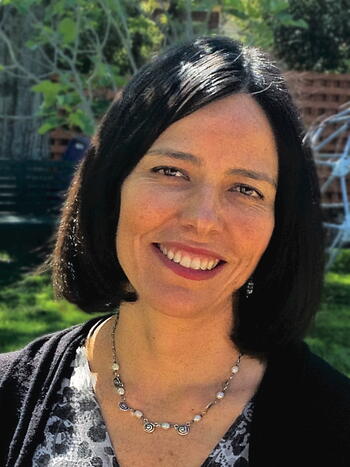
Beatriz Magaloni is an Associate Professor in the Department of Political Science and a Senior Fellow at the Freeman Spogli Institute for International Studies (FSI) at Stanford University. She is also an affiliated faculty member of the Woods Institute of the Environment (2011-2013) and a Faculty Fellow at the Stanford Center for International Development. Her first book, Voting for Autocracy: Hegemonic Party Survival and its Demise in Mexico (Cambridge University Press, 2006), won the Best Book Award from the Comparative Democratization Section of the American Political Science Association and the 2007 Leon Epstein Award for the Best Book published in the previous two years in the area of political parties and organizations. Her second book, Strategies of Vote Buying: Democracy, Clientelism, and Poverty Relief in Mexico (co-authored with Alberto Diaz Cayeros and Federico Estévez), studies the politics of poverty relief. Why clientelism is such a prevalent form of electoral exchange, how it distorts policies aimed at aiding the poor, and when it can be superseded by more democratic and accountable forms of electoral exchange are some of the central questions that the book addresses.
Dept. of Political Science
Encina Hall, Room 436
Stanford University,
Stanford, CA
(650) 724-5949
0
magaloni@stanford.edu
Senior Fellow at the Freeman Spogli Institute for International Studies
Graham H. Stuart Professor of International Relations
Professor of Political Science
beatriz_magaloni_2024.jpg
MA, PhD
Beatriz Magaloni Magaloni is the Graham Stuart Professor of International Relations at the Department of Political Science. Magaloni is also a Senior Fellow at the Freeman Spogli Institute, where she holds affiliations with the Center on Democracy, Development and the Rule of Law (CDDRL) and the Center for International Security and Cooperation (CISAC). She is also a Stanford’s King Center for Global Development faculty affiliate. Magaloni has taught at Stanford University for over two decades.
She leads the Poverty, Violence, and Governance Lab (Povgov). Founded by Magaloni in 2010, Povgov is one of Stanford University’s leading impact-driven knowledge production laboratories in the social sciences. Under her leadership, Povgov has innovated and advanced a host of cutting-edge research agendas to reduce violence and poverty and promote peace, security, and human rights.
Magaloni’s work has contributed to the study of authoritarian politics, poverty alleviation, indigenous governance, and, more recently, violence, crime, security institutions, and human rights. Her first book, Voting for Autocracy: Hegemonic Party Survival and its Demise in Mexico (Cambridge University Press, 2006) is widely recognized as a seminal study in the field of comparative politics. It received the 2007 Leon Epstein Award for the Best Book published in the previous two years in the area of political parties and organizations, as well as the Best Book Award from the American Political Science Association’s Comparative Democratization Section. Her second book The Politics of Poverty Relief: Strategies of Vote Buying and Social Policies in Mexico (with Alberto Diaz-Cayeros and Federico Estevez) (Cambridge University Press, 2016) explores how politics shapes poverty alleviation.
Magaloni’s work was published in leading journals, including the American Political Science Review,American Journal of Political Science, Criminology & Public Policy, World Development, Comparative Political Studies, Annual Review of Political Science, Cambridge Journal of Evidence-Based Policing, Latin American Research Review, and others.
Magaloni received wide international acclaim for identifying innovative solutions for salient societal problems through impact-driven research. In 2023, she was named winner of the world-renowned Stockholm Prize in Criminology, considered an equivalent of the Nobel Prize in the field of criminology. The award recognized her extensive research on crime, policing, and human rights in Mexico and Brazil. Magaloni’s research production in this area was also recognized by the American Political Science Association, which named her recipient of the 2021 Heinz I. Eulau Award for the best article published in the American Political Science Review, the leading journal in the discipline.
She received her Ph.D. in political science from Duke University and holds a law degree from the Instituto Tecnológico Autónomo de México.
Associate Professor in the Department of Political Science and a Senior Fellow at the Freeman Spogli Institute for International Studies (FSI) at Stanford University



 Petra Persson




 Beatriz Magaloni