Rebuilding International Institutions
This is a virtual event. Please click here to register and generate a link to the talk.
The link will be unique to you; please save it and do not share with others.
Sponsored by the Stanford China Program and the Stanford Center at Peking University.
International institutions established after WWII and shaped by the Cold War facilitated attainment of unprecedented peace and prosperity. But what worked well in the past may no longer be adequate to address the challenges and opportunities in the world these institutions helped to create. Should legacy institutions be reformed, replaced, or supplemented by new mechanisms to manage new global challenges? This program will examine whether existing institutions of global governance are adequate, and if not, why changing them will be difficult.

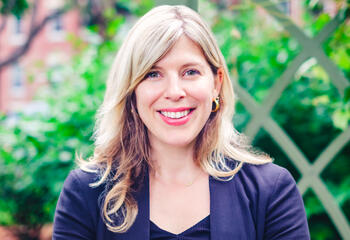
Fingar's most recent books are The New Great Game: China and South and Central Asia in the Era of Reform, editor (Stanford, 2016), Uneasy Partnerships: China and Japan, the Koreas, and Russia in the Era of Reform (Stanford, 2017), and Fateful Decisions: Choices that will Shape China’s Future, co-edited with Jean Oi (Stanford, 2020).
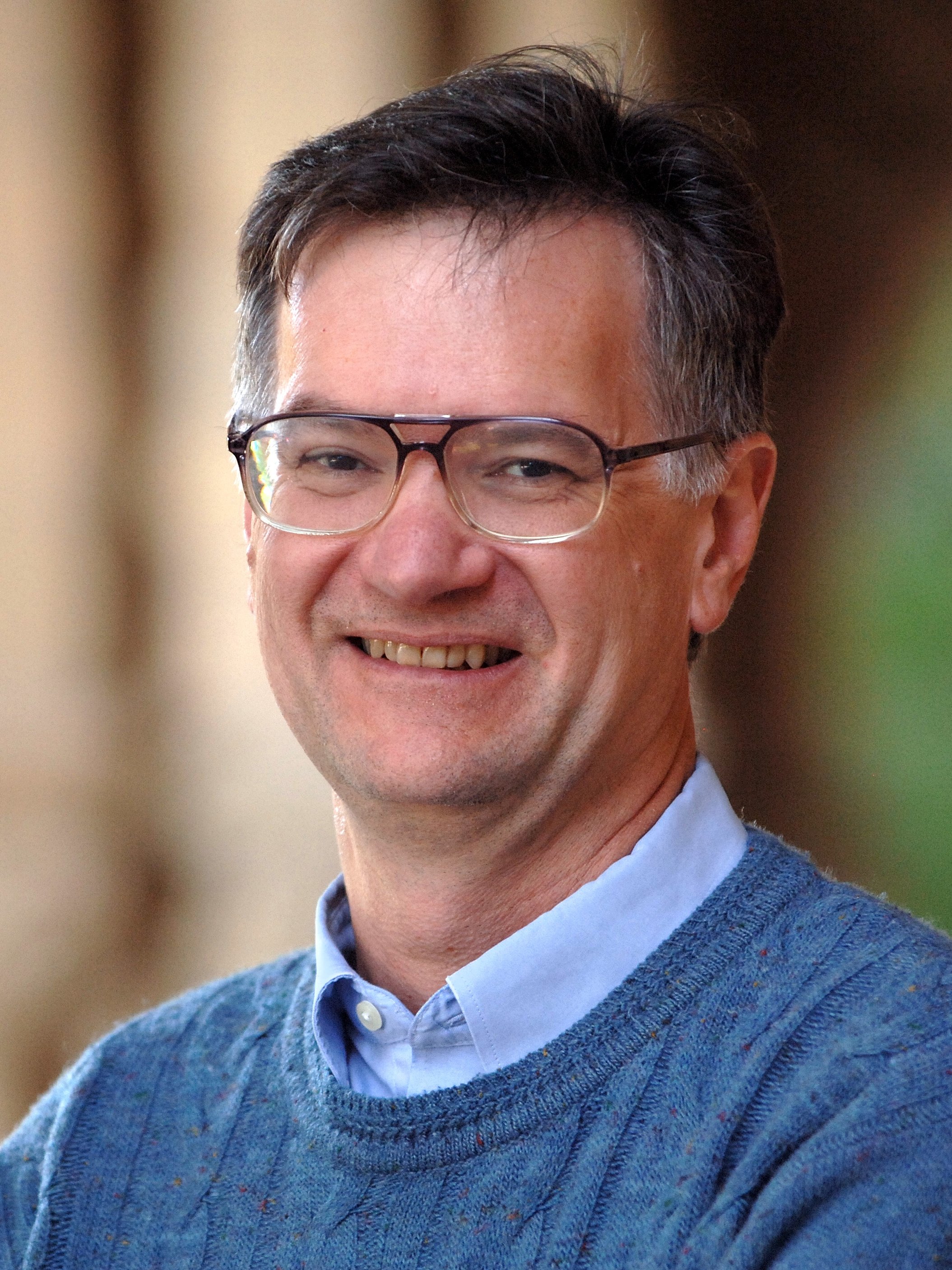 Stephen Stedman is a Freeman Spogli senior fellow at the Center on Democracy, Development, and the Rule of Law and FSI, an affiliated faculty member at CISAC, and professor of political science (by courtesy) at Stanford University.
In 2011-12 Professor Stedman served as the Director for the Global Commission on Elections, Democracy, and Security, a body of eminent persons tasked with developing recommendations on promoting and protecting the integrity of elections and international electoral assistance. The Commission is a joint project of the Kofi Annan Foundation and International IDEA, an intergovernmental organization that works on international democracy and electoral assistance. In 2003-04 Professor Stedman was Research Director of the United Nations High-level Panel on Threats, Challenges and Change and was a principal drafter of the Panel’s report, A More Secure World: Our Shared Responsibility. In 2005 he served as Assistant Secretary-General and Special Advisor to the Secretary- General of the United Nations, with responsibility for working with governments to adopt the Panel’s recommendations for strengthening collective security and for implementing changes within the United Nations Secretariat, including the creation of a Peacebuilding Support Office, a Counter Terrorism Task Force, and a Policy Committee to act as a cabinet to the Secretary-General. His most recent book, with Bruce Jones and Carlos Pascual, is Power and Responsibility: Creating International Order in an Era of Transnational Threats (Washington DC: Brookings Institution, 2009).
Via Zoom Webinar. Register at: https://bit.ly/3b6qmKT