Announcing the 2026 Class of the Fisher Family Summer Fellows on Democracy and Development Program
The Fisher Family Summer Fellows on Democracy and Development Program, hosted by the Center on Democracy, Development and the Rule of Law (CDDRL) at Stanford University, brings together an annual cohort of approximately 30 mid-career practitioners from countries in political transition who are working to advance democratic practices and enact economic and legal reform to promote human development.
Previously known as the Draper Hills Summer Fellows Program, it was renamed in 2023 in recognition of a transformative gift from the Fisher family — Sakurako (Sako), '82, and William (Bill), MBA '84 — which endowed the program and secured its future. Since its launch in 2005, the program has built a robust, global alumni network of more than 500 leaders who are effecting change in some of the world's most challenging political environments.
CDDRL is pleased to welcome its 2026 cohort, who bring a wide range of experiences and perspectives shaped by work on democracy, governance, and human development.
The Fisher Family Summer Fellows Class of 2026 is a diverse cohort of 26 experienced practitioners from 19 countries who are working to advance democratic practices and economic and legal reform in contexts where freedom, human development, and good governance are fragile or at risk. Fellows come from a wide range of professional backgrounds — including civil society organizations, government institutions, media, academia, and the private sector — all united by their commitment to democratic reform and sustainable development in their communities.
Included in this year's class are three Ukrainian fellows who are jointly participating in CDDRL's Strengthening Ukrainian Democracy and Development Program (SU-DD). These fellows will begin meeting online with CDDRL faculty in early June to define the scope of their individual projects, each focused on developing actionable strategies to support Ukraine's recovery from Russia's invasion. By integrating the SU-DD scholars into the broader Summer Fellows Program, CDDRL fosters connections and cross-country learning that can lead to shared insights and scalable solutions. Participation in the program also expands the professional network our Ukrainian fellows can draw upon as they advance their work back home.
The 2026 Fellows will arrive on campus on July 20 to begin the three-week training program led by an interdisciplinary group of Stanford faculty and practitioners. Through seminars, case studies, and collaborative discussions, participants will explore innovative institutional models and practical strategies designed to strengthen democratic accountability and support sustainable development in their home countries. By connecting leaders across regions and sectors, the program continues to foster an international network of changemakers equipped with the knowledge, skills, and relationships needed to advance meaningful reform.
Meet the Fellows
Azerbaijan | Brazil | Colombia | Egypt | Georgia | India | Kenya | Liberia | Mongolia | Nepal | Nicaragua | Nigeria | Peru | Russia | South Africa | Thailand | Turkey | Ukraine | Venezuela
AZERBAIJAN
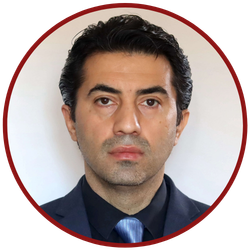
Emin Huseynov is an Azerbaijani journalist and human rights defender, co-founder of the Institute for Reporters’ Freedom and Safety, and Director at the Institute for Human Rights. Over 20 years, he has worked to defend press freedom and document repression in Azerbaijan. In 2014, amid a government crackdown, Emin spent over 10 months hiding in the Swiss Embassy in Baku before reaching safety in Switzerland. He was then arbitrarily stripped of his citizenship. Since 2015, Emin has been actively working to raise awareness of gross human rights violations in the South Caucasus, Eastern Europe, and Central Asia on major international platforms, including the United Nations, the OSCE, and the Council of Europe.
BRAZIL
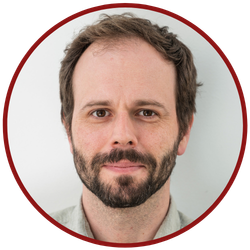
Pedro Telles is a Program Director at the Democracy Hub (D-Hub), dedicated to network-building, capacity-building, and strategic support for democracy defenders globally. He is also an adjunct professor at Fundação Getulio Vargas (FGV) and a Senior Atlantic Fellow for Social and Economic Equity at the London School of Economics (LSE), with extensive experience working in civil society, government, philanthropy, and elections. He is a co-founder of multiple organizations focused on advocacy and civic engagement, such as Ctrl+Z, Quid, and Advocacy Hub, and is a board member of Avaaz, Transparência Brasil, and Legisla Brasil. He has also worked at Greenpeace, Luminate, and the Legislative Assembly of São Paulo.
COLOMBIA

Andry Gonzalez is an economist with a master’s degree in Urban Planning and a Fulbright alumna. She served as an adviser to the Office of the Vice President of Colombia, Francia Márquez, advancing racial equity and territorial development. She currently works as a Program Manager at Open Society Foundations. She believes democracy must be meaningful in everyday life and that true development requires redistributing power, not just resources. She is passionate about supporting young people and women from marginalized communities to step into spaces of influence and shape the future of their territories.
EGYPT
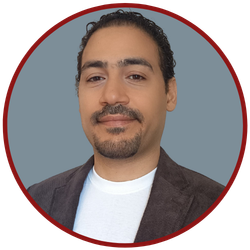
Ahmed Attalla F. Ali is an Egyptian political and human rights activist and researcher. He is a co-founder of the grassroots pro-democracy April 6 Movement, contributing to its political direction and governance after the 2011 revolution. Since 2018, he has served as Executive Director of the Egyptian Front for Human Rights, leading documentation, research, legal assistance, and international advocacy. He has published studies and articles on civil-military relations, social movements, human rights, and EU–MENA relations. He holds a Law degree and a diploma in Political Science, and is currently pursuing an MA in EU Studies at UCLouvain, Belgium.
GEORGIA
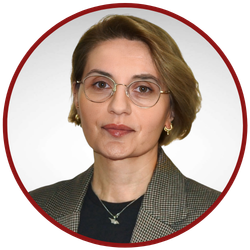
Tamar Rukhadze is a media and civil society professional with nearly 30 years of experience promoting independent journalism and freedom of expression in Georgia. She began her career as a reporter in 1997, later leading major newsrooms before focusing on advancing media ethics, accountability, and resilience through civil society and international initiatives. Tamar previously served as Executive Director and Board Chair of the Georgian Charter of Journalistic Ethics and has held senior positions with IREX on USAID-funded programs. In 2025, she became Deputy Director of Batumelebi & Netgazeti following the arrest of founder and CEO Mzia Amaglobeli.
INDIA
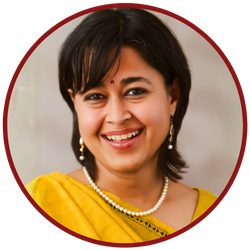
Smita Mankad is a social entrepreneur and independent board director with experience across the corporate, government, and social sectors in India, combining grassroots community development with board-level governance. She serves on the boards of Fabindia and the Mahindra and Bajaj Groups, among others. At Fabindia, she established 18 community-owned companies, enabling more than 23,000 rural artisans to become shareholders for the first time. Her pro bono work supports initiatives focused on rural livelihoods, reducing malnutrition, creating safer cities for women, expanding educational opportunities for underserved children, and mentoring women. A champion of sustainability, she also maintains a zero-waste-to-landfill home and is a Vital Voices USA, Oxford Chevening, and Swedish Institute Fellow.
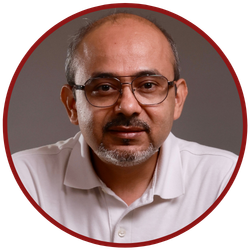
Dilip Kumar Pandey is a PhD scholar, a former MLA from Timarpur, and an ex-Chief Whip in the Delhi Assembly. He comes from a farming family in Ghazipur, Uttar Pradesh, and holds an MCA degree. Known for his anti-corruption work and association with UNCAC, he is also an author of 5 books, including the bestseller, Gulabi Khanjar. A recurve archer, he is a music enthusiast who has written, sung, and composed various campaign songs for the Aam Aadmi Party. He runs the Radhika Prahlad Foundation, which supports medical care for the underprivileged, and has served as a member of Delhi’s Sahitya Kala Parishad. He is also an expert in inclusive policy, governance, political communication, and co-existential philosophy.
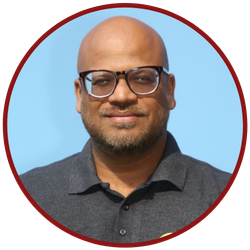
Srikanta Kumar Routa serves as Head of Operations at The/Nudge Institute, where he orchestrates large-scale economic inclusion initiatives to uplift rural and tribal households from extreme poverty. With over 13 years of distinguished expertise in the development sector, he has successfully scaled the Graduation Approach to serve 200,000 families, facilitating $100 million investment through strategic government and private partnerships. An alumnus of TISS Hyderabad, Srikanta is recognized for his strategic acumen and operational excellence across India’s most remote terrains. He remains steadfast in his mission to foster universal equity and sustainable development for marginalized communities.
KENYA
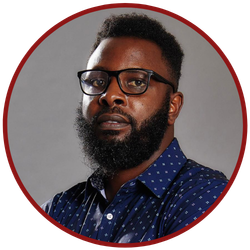
Keith Andare is a Nairobi-based internet consultant working at the intersection of digital rights and climate action. He is the founder and executive director of the African Centre for Climate Research and Innovations (ACCRI), a pan-African civil society organization focused on environmental and digital transitions. Andare has extensive experience in digital rights and internet governance, having served as a member of the Multistakeholder Advisory Group (MAG) for the Kenyan, East African, and African Internet Governance Forums. He is passionate about cybersecurity and digital democracy.
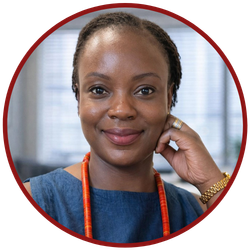
Aimee Akinyi Ongeso is a Program Manager at Open Society Africa and an Obama Africa Leader. She is a democracy and justice practitioner with more than 16 years of experience advancing legal empowerment, participatory governance, and community-led justice across Africa. Her work focuses on designing and scaling grassroots-driven models that integrate law, organizing, and economic justice to strengthen democratic systems, particularly in conflict-affected contexts.
LIBERIA
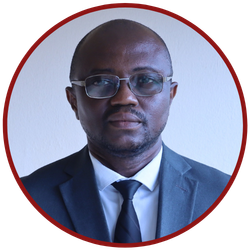
Lamii Kpargoi is a Commissioner of the Office of the Ombudsman of the Republic of Liberia with a professional interest in human rights advocacy. Over the last 20 years, Mr. Kpargoi has worked as a civil society activist, with 16 of those years spent practicing law in Liberia. He is known for his dedication to upholding democratic values, promoting press freedom, and advocating for human rights. As a Chevening Scholar, he earned an LLM in Labour Law and Corporate Governance from the University of Bristol in the UK in 2019-2020. Mr. Kpargoi is also a Reagan-Fascell Democracy Fellow and a US State Department Community Solutions Fellow.
MONGOLIA
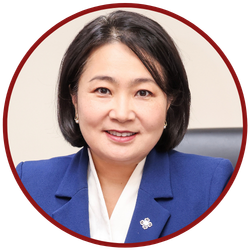
Nominchimeg Odsuren is a Mongolian politician and a current Member of Parliament, with a professional background in law and a strong focus on advancing the rule of law. Trained at the University of Tokyo and Columbia Law School, she specializes in comparative, private, and economic law. Her work promotes transparency, accountability, and effective governance. With a cross-cultural perspective, she applies global best practices to strengthen legal frameworks and support sustainable policy reform in emerging democracies.
NEPAL
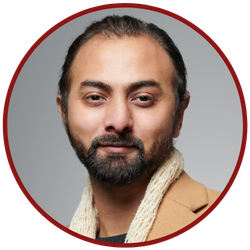
Pratik Kunwar is a political innovator and the Founder of Shaasan, a nonprofit civic initiative solving problems at the intersection of governance, climate, and deep learning. His work has been featured by Time, Forbes, the UN, and the WEF, among others. He has advocated for his work at the European Parliament, World Forum for Democracy, Davos, and One Young World, among others. Pratik is an Asia Society Next Generation Leader (2024) and has served on the European Union's International Youth Sounding Board and on the Advisory Council of the WEF's Global Shapers Community. Pratik holds a Master's in Data, Economics, and Design of Policy from MIT.
NICARAGUA
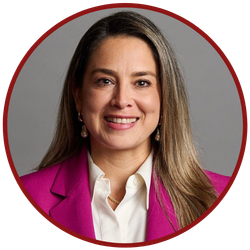
Berta Valle is a Nicaraguan journalist and human rights advocate with extensive experience in media and international advocacy. Forced into exile in 2018, she became a leading voice for political prisoners following the arbitrary detention of her husband, Félix Maradiaga, in 2021. She is a co-founder of the World Liberty Congress Political Prisoner Support Team and the End Arbitrary Detention initiative at the University of Virginia, and serves as President of Fundación Libertad, advancing human rights and democratic restoration in Nicaragua. Her work also explores the use of decentralized technologies to strengthen financial freedom in repressive contexts.
NIGERIA

Ayodele Ganiu is a cultural policy advocate with over 16 years of leadership advancing democratic reforms in Nigeria’s culture sector. As the Founder of Unchained Vibes Africa (UVA), he combats a shrinking civic space through the "Freedom Vibes" initiative, which combines transformative art with strategic litigation. Known for translating complex governance issues into cultural narratives that defy censorship, his work has yielded landmark legal victories and policy reforms, earning UVA the 2026 Bertha Artivism Award. He holds a B.Sc. in Finance from the University of Lagos and advanced training in cultural policy from the UNESCO Chair’s Arts Rights Justice Academy at the University of Hildesheim.
PERU
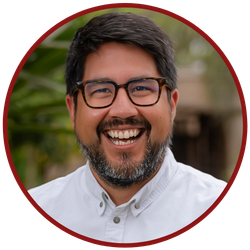
Álvaro Henzler is a serial social entrepreneur with 20+ years of experience. He has founded ventures in education, social impact, civic engagement, and leadership development. President of Asociación Civil Transparencia, Peru’s leading democracy NGO, co-founder and Executive President of Mosaico, advancing collective impact across Latin America, and co-founder of EnseñaPerú (member of Teach For All network). He holds an MPA from Harvard Kennedy School and a BA in Economics from Universidad del Pacífico, was a Research Fellow at Harvard’s Ash Center, and an advisor during the Peru–U.S. FTA. He was named a WEF Global Shaper and Georgetown Impact Award recipient.
RUSSIA
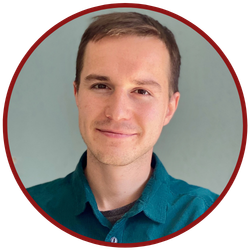
Leonid Drabkin is a senior executive with extensive experience leading OVD-Info, one of Russia’s largest and most respected human rights organizations, where he focused on documenting political prosecutions and providing legal support. He brings eight years of NGO leadership experience, complemented by work in media development and the pharmaceutical sector across Russia and in international settings. Drabkin holds an MSc in Finance from the United Kingdom and is recognized for a results-driven, change-oriented approach to advancing human rights. He was named to Forbes 30 Under 30 and is currently working in exile following Russia’s invasion of Ukraine.
SOUTH AFRICA
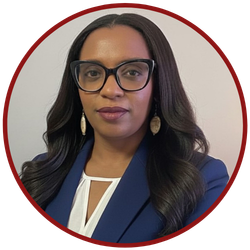
Tania Coenraad is a governance, democracy, and development practitioner based in Cape Town. Most recently she served as the Chief of Staff and Head of Parliamentary Operations, providing strategic leadership on legislative affairs, parliamentary oversight, and stakeholder engagement in South Africa. With over 17 years of experience across Parliament, local government, and community development, she has advanced socio-economic inclusion and strengthened institutional accountability. Her work is driven by a commitment to ethical leadership, constitutional democracy, and development outcomes.
THAILAND
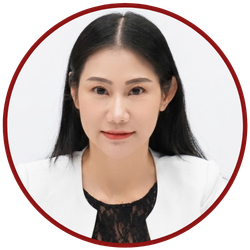
Bencha Saengchantra is a former Member of the House of Representatives and currently serves on the Education and Training Committee. Over eight years in parliament, she supported and advanced legislation promoting democratic reform, human rights, gender equality, and social justice. Her work has focused on strengthening rule of law, expanding civic participation, and improving quality of life. As a participant in the Fisher Family Summer Fellows Program, she seeks to deepen her understanding of democratic governance and collaborate with global leaders to advance legal reform, equality, and democratic resilience in Thailand, across Asia, and around the world.
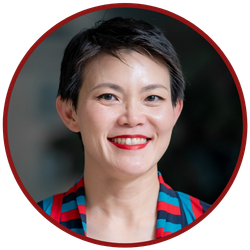
Dr. Janjira Sombatpoonsiri is an activist scholar whose work examines how authoritarian power adapts in the digital age and how civic actors respond. She is a Research Fellow at the German Institute for Global and Area Studies (GIGA) in Hamburg and a full-time Assistant Professor at Chulalongkorn University’s Institute of Asian Studies in Bangkok. Her research spans protest movements, democratic resilience, and digital repression. Her forthcoming book is A Thousand Cuts: Digital Repression and Democracy in Thailand (2027, University of Wisconsin Press). She hopes to develop a regional policy hub that fosters cross-learning and collaboration across Southeast Asia.
TURKEY

Zeynep Aksoy is a senior strategist based in Istanbul. At House of Impact, she works at the intersection of data, technology, and social research, translating behavioral insight into high-impact strategies for institutions and public actors. Her work spans large-scale national and local public initiatives. She holds a BA in Middle Eastern History and Politics and an MA in Political Theory from Sciences Po Paris. With a background in editorial and on-screen media, she continues to work across long-form and digital formats. She serves on the boards of SES Equality and Solidarity Association.
UKRAINE*
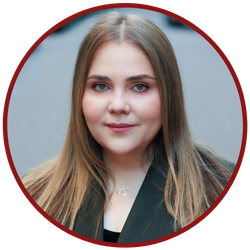
Kateryna Chernohorenko is the architect of digital transformation and a former Deputy Minister of Defense of Ukraine (2023–2025). During her tenure, she launched Reserve+ and Army+ mobile apps, digitizing millions of military records and dozens of services. She scaled DELTA, the NATO-certified combat system, and led the Drone and IT Coalition, mobilizing $3.3B+ in aid. Kateryna also established Ukraine's Cyber Incident Response Center and founded the Space Policy Directorate in the MoD of Ukraine. She leads the digital transformation program at the High Qualification Commission of Judges and teaches “E-Governance, Document Management, and Digital Democracy” at Kyiv-Mohyla Academy.
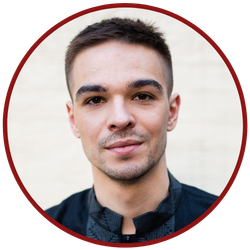
Illia Filipov* is a Ukrainian edtech entrepreneur and co-founder & CEO of EdEra. With a physics background from Taras Shevchenko National University, he chose to build educational infrastructure in Ukraine rather than pursue opportunities abroad. Since 2014, he has led the development of 300+ educational products, reaching over 2 million users on EdEra’s platform and millions more through solutions for government and business. He has worked with national institutions and international partners on education reforms, media literacy, and civic engagement, and served as an advisor to government bodies and the OSCE. His work focuses on expanding access to education to strengthen democratic systems.
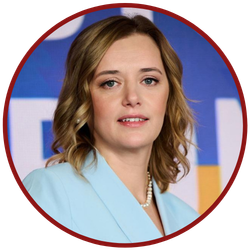
Svitlana Kovalchuk* is Executive Director of Yalta European Strategy (YES), Ukraine’s leading platform advancing European integration and global dialogue on democracy, security, and development. For nearly a decade, she has led YES and the Victor Pinchuk Foundation's international initiatives, strengthening Ukraine’s global presence through the YES Annual Meeting in Kyiv and platforms at the World Economic Forum and the Munich Security Conference. She previously worked at the German Corporation for International Cooperation. Svitlana holds a PhD in Political Science and is an alumna of Harvard Kennedy School.
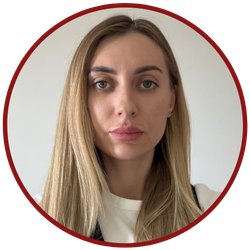
Valentyna Riznyk* is a Ukrainian public affairs professional and legal scholar with experience in local governance and national policymaking. She serves as Secretary of the Poltava Regional Organization of the political party “Servant of the People” and is a member of the Youth Council under the Ministry of Economy of Ukraine. Valentyna has worked as an assistant to Members of Parliament and as an advisor to political leadership, contributing to legislative processes and community engagement. She holds a PhD in Law and a Master’s degree in Political Science, with a focus on strengthening democratic institutions and public trust in governance systems.
*These fellows are jointly participating in CDDRL’s Strengthening Ukrainian Democracy and Development Program.
VENEZUELA
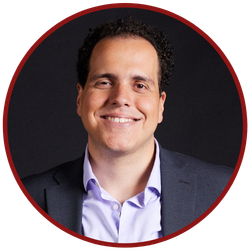
Pedro A. Urruchurtu Noselli is a political scientist and activist who serves as Senior Advisor on Foreign Affairs and Director of International Relations for María Corina Machado, as well as International Coordinator for Vente Venezuela. As a key strategist, he has helped mobilize international support for democracy in Venezuela, focusing on building global networks to counter authoritarianism. His work is defined by a commitment to diplomacy and political education, having trained more than 45,000 individuals. He is an alumnus of Georgetown University’s Global Competitiveness Leadership Program and was recently honored with the 2026 Impact Award for his courage. Pedro has faced political persecution for his work, including spending more than 400 days as a hostage in the Argentine Embassy in Caracas before his escape.

In July 2026, the Center on Democracy, Development and the Rule of Law will welcome a diverse cohort of 26 experienced practitioners from 19 countries who are working to advance democratic practices and economic and legal reform in contexts where freedom, human development, and good governance are fragile or at risk.