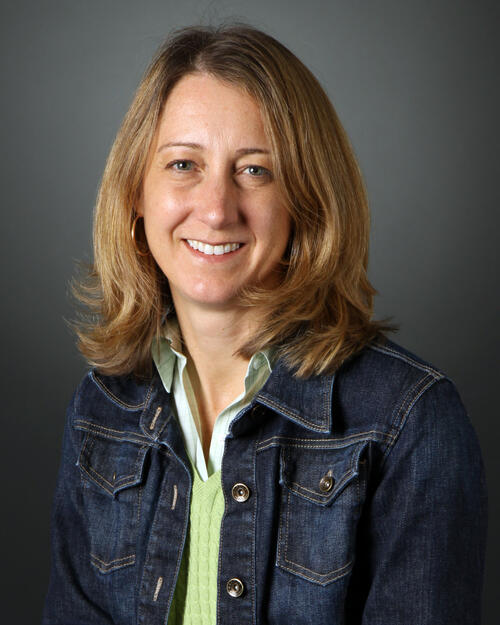
Ramya Raveendra is a corporate affiliate visiting fellow at the Walter H. Shorenstein Asia-Pacific Research Center (Shorenstein APARC) for 2017-18. Raveendran has over ten years experience in quality management of biopharmaceutical products and has been with Reliance Life Sciences Pvt. Ltd., India since 2006. Currently, she is designated as Manager in the Regulatory Affairs team. Her current responsibilities include regulatory affairs activities (including checking and reviewing of technical documents); communicating new regulatory requirements and changes within the organization; project submissions to domestic regulatory bodies; preparation and submission of dossiers for biological products to facilitate registration of these products in the exports market; and supporting the international marketing team by query response to technical documents submitted. Raveendran received her post-graduation in Human Genetics from Sri Ramachandra University, Chennai in 2006.
Stanford Health Policy’s newest faculty member, Joshua Salomon, believes that one urgent need in global health research is to improve forecasts of the patterns and trends that are the major causes of death and disease.
Salomon, who is leaving leaving his position as professor of global health at the Harvard T.H. Chan School of Public Health to join Stanford on Aug. 1, works on modeling of infectious and chronic diseases and their associated intervention strategies, as well as methods for economic evaluation of public health programs and ways to measure the global burden of disease.
And he looks at the potential impact and cost effectiveness of new health technologies.
“Projections of future trends in health are crucial to formulating policy,” said Salomon, who has a PhD from Harvard. “To think strategically about the technologies and policies that would make the biggest impact on health over the next 20 to 50 years, we really need to start by understanding the range of likely trends in major health challenges over the coming decades.”
Stanford, he said, offers him a “rich collaborative environment” to better learn from advances in forecasting across a range of other disciplines, such as economics, political science, and environmental science.
“With a better picture of what the world is likely to look like over the next 50 years — and what are going to be the most pressing health problems — we can invest wisely and put ourselves in a position to respond more effectively.”
Salomon is also the director of the Prevention Policy Modeling Lab, which is funded by a five-year award from the Centers for Disease Control and Prevention. The consortium represents the collaborative research of experts from Massachusetts General Hospital, Boston Medical Center, Dana Farber Cancer Institute, Yale School of Public Health, Brown University School of Public Health, and the Massachusetts Department of Public Health and.
He will continue directing the lab from Stanford and intends to bring in new research threads from his colleagues here on the Farm. The lab works on a wide range of projects dealing with policy analysis for hepatitis, sexually transmitted infections and diseases such as HIV, and tuberculosis.
“It’s a rewarding grant for me to work on because, unlike a lot of modeling projects, the work that we do really starts from urgent public health questions that policymakers have,” he said. “All of the questions that we are working on are questions that originated directly from discussions with CDC and other public health partners.”
With Salomon’s move to Stanford, the university gains a dynamic duo.
Grace Lee joins Stanford as the Associate Chief Medical Officer at Lucile Packard Children's Hospital in the fall, 2017.
His wife, Grace Lee, MD, MPH, joins in the fall as the Associate Chief Medical Officer at Lucile Packard Children’s Hospital. As a professor of population medicine at Harvard Pilgrim Health Care Institute & Harvard Medical School, Lee has led research in vaccine safety in the FDA-funded Post-licensure Rapid Immunization Safety Monitoring (PRISM) program and the CDC-funded Vaccine Safety Datalink, which monitors the safety of vaccines and studies rare and adverse reactions from immunizations.
She has also examined the impact of financial penalties on rates of healthcare-associated infections, as the principal investigator of an AHRQ-funded study, as well as developed novel surveillance definitions for ventilator-related events in neonates and children.
While at Stanford, Lee said, she intends “to find opportunities to enhance the learning health system approach to improve patient outcomes and population health.”
Salomon has spent his entire career as a collaborator on the Global Burden of Disease project, the world’s most comprehensive epidemiological study commissioned by the World Bank in 1990, which tracks mortality and morbidity from major diseases, injuries and risks factors.
“The study has made a major contribution to global public health because before this study we just didn’t have a comprehensive, systematic understanding of the things that cause death and disability in low- and middle-income countries. But now we do,” he said. “It’s hugely ambitious and very sweeping in scope — and a lot of my work is around providing the evidence we need to inform policy.”
Much of Salomon’s work is global in nature. He’s most recently focused on older adults in one rural South African community, which has a high prevalence of HIV and one of the world’s highest levels of hypertension. His research there aims to inform urgent prevention initiatives tailored to older adults where HIV and cardiovascular risks are moderate or high, as in similar communities in sub-Saharan Africa.
“People don’t expect a high level of ongoing HIV transmission in older adults,” he said. “The double burden that we find, with a very high level of HIV, as well as the high prevalence of diabetes and heart disease, creates enormous strains on the health-care system.”
Hero Image
Stanford Health Policy's Joshua Salomon believes forecasting new patterns and trends in global health is an urgent need.
The Asia Health Policy Program at the Shorenstein Asia-Pacific Research Center, in conjunction with The Next World Program, is soliciting papers for a workshop, “Inequality & Aging,” held at the University of Hohenheim from May 4-5, 2018. The workshop will result in a special issue of the Journal of the Economics of Ageing, and aims to address topics such as:
Population dynamics and income distribution
The evolution of inequality over time and with respect to age
Health inequality in old age
The effects of social security systems and pension schemes on inequality
Policies to cope with demographic challenges and the challenges posed by inequality
Family backgrounds and equality of opportunities
Demographically induced poverty traps
Effects of automation and the digital economy in ageing societies
Flexible working time and careers, and their long-term implications
The dynamics of inheritances, etc.
Researchers who seek to attend the workshop are invited to submit a full paper or at least a 1-page extended abstract directly to Klaus Prettner and Alfonso Sousa-Poza by Sept. 30, 2017.
Authors of accepted papers will be notified by the end of October and completed draft papers will be expected by Jan. 31, 2018. Economy airfare and accommodation will be provided to one author associated with each accepted paper. A selection of the presented papers will be published in the special issue; the best paper by an author below the age of 35 will receive an award and be made available online as a working paper.
Researchers who do not seek to attend the workshop are also invited to submit papers for the special issue. Those papers can be submitted directly online under “SI Inequality & Ageing” by May 31, 2018.
For complete details, please click on the link below to view the PDF.
Stanford Health Policy’s Michelle Mello is calling for reforms to the practice of overlapping surgery, a practice in which surgeons juggle multiple operations at the same time.
Primary surgeons who run multiple operating rooms delegate “non-critical” parts of the operations to trainees or physician assistants. Overlapping scheduling is considered an important means of giving surgical trainees hands-on experience before they enter the profession with a license to operate. But patients are often unaware about the prospect that their surgeon may be double-booked.
“As patients at a teaching hospital, we know that surgery is a team sport and trainees will be involved,” Mello said in an interview. “But learning that the surgeon we’ve entrusted ourselves to may be out of the room for extended periods while we’re under anesthesia comes as a surprise to many patients. Like other aspects of surgical care, policies and procedures need to be in place to make sure this can be done safely.”
Mello, who is a professor of health research and policy at Stanford Medicine and a professor of law at Stanford Law School, wrote in this JAMA editorial that the practice has dented patient trust in the surgical profession and that better research is needed to determine how patients are impacted by double booking. Mello wrote with co-author Edward H. Livingston, MD, of the Department of Surgery at the UT Southwestern School of Medicine in Dallas. Livingston is also deputy editor of JAMA.
For example, Mello and Livingston noted that The Seattle Times reported in February about the unusually high volume of neurosurgical operations “and reportedly poor outcomes” at the Swedish Neuroscience Institute. The top two neurosurgeons each billed more than $75 million in 2015, and clinical staffers who raised concerns were ignored. The news reports prompted federal and state investigations and the resignations of the hospital’s neurosurgery chief and chief executive officer.
Medicare regulations applicable to teaching hospitals allow surgeries to overlap, but primary surgeons can’t bill the government for an operation unless they personally perform the “critical or key portions.”
The Senate Committee on Finance, which oversees Medicare, issued a report last year that said patient safety and informed consent were key concerns raised by overlapping surgery. But they also found scant research on the consequences for patients.
Mello and Livingston write that six peer-reviewed studies have been published about the safety of overlaps, but note that they were all retrospective, single-institution studies.
“These studies suggest that overlapping surgery is not associated with increased risk of patient harm, but these observational studies have important limitations,” they said.
For example, some studies lumped cases with just one second of overlap together with cases that overlapped significantly longer, making it hard to measure the relationship between the amount of overlap and surgical outcomes. They added that the generalizability of findings beyond the small number of institutions and surgeons studied is unknown.
In ongoing work with other Stanford Health Policy faculty, Mello plans to examine data from a large number of teaching hospitals. One issue requiring further investigation, she said, is whether the longer procedure times documented for overlapping cases mean more time under anesthesia, which elevates the risk of postoperative complications.
Citing a public opinion survey showing that 69 percent of Americans oppose the practice, the JAMA authors concluded, “Overall, the modest evidence base does not suggest that overlapping surgery is unsafe, but rather that the practice is not trusted.”
They believe patients and regulators may distrust it because of the possibility of harm to patients, lack of transparency about what is going on, and surgeons’ conflict of interest in determining on their own what aspects of operations they must personally perform.
Mello and Livingston believe restoring public trust in the surgical system requires stronger proof that overlapping scheduling is safe, including evidence from randomized studies, and better informed consent practices which ensure that patients are given full information about scheduling practices well ahead of surgery.
“The disclosure should include the likelihood that the operation will involve an overlap, a description of who will perform which parts of the operation and what their qualifications are, and the patient’s option if he or she objects to the scheduling,” they said.
Finally, hospitals have an obligation to ensure that their surgeons are performing the critical parts of an operation.
Tens of thousands of Americans die from drug overdoses every year — around 50,000 in 2015 — and the number has been steadily climbing for at least the last decade and a half, according to the National Institute on Drug Abuse. Yet a team of Stanford neuroscientists and legal scholars argues that the nation’s drug policies are at times exactly the opposite from what science-based policies would look like.
Stanford Health Policy affiliate Keith Humphreys, a professor of psychiatry and behavioral science, and colleagues argue in the journal Science that basing public policy on neuroscience rather than on a desire to punish addicts would improve lives, including those of the victims of drug-related crimes.
“We have an opioid epidemic that looks like it’s going to be deadlier than AIDS, but the criminal justice system handles drug addiction in almost exactly opposite of what neuroscience and other behavioral sciences would suggest,” said Keith Humphreys, a professor of psychiatry and behavioral sciences and one of the leaders of the Stanford Neurosciences Institute’s Neurochoice Big Idea Initiative.
A central problem, the authors argue, is that drug use warps the brain’s decision-making mechanisms, so that what matters most to a person dealing with addiction is the here and now, not the possibility of a trip up the river a few months or years from today.
“We have relied heavily on the length of a prison term as our primary lever for trying to influence drug use and drug-related crime,” said Robert MacCoun, a professor of law and senior fellow at the Freeman Spogli Institute for International Studies. “But such sanction enhancements are psychologically remote and premised on an unrealistic model of rational planning with a long time horizon, which just isn’t consistent with how drug users behave.”
What might work better, Humphreys said, is smaller, more immediate incentives and punishments – perhaps a meal voucher in exchange for passing a drug test, along with daily monitoring.
Keith Humphreys argues that basing public policy on neuroscience rather than on a desire to punish addicts would improve lives, including those of the victims of drug-related crimes.
Emily Tuong-Vi Nguyen, a Stanford student studying human biology, writes about the Asia Health Policy Program’s international conference on diabetes
The Asia Health Policy Program at the Shorenstein Asia-Pacific Research Center hosted the Net Value in Diabetes Management Workshop in March to discuss progress on an international research collaboration. Research teams from Hong Kong, Singapore, China, Taiwan, South Korea and the United States convened at the Stanford Center at Peking University (SCPKU) in Beijing to work on research that compares utilization and spending patterns on diabetes across different countries and to develop a method for measuring the net value of diabetes internationally, based on previous methods discussed in a Eggleston and Newhouse et al. 2009 study with Mayo Clinic Data for Type 2 diabetes.
The research teams from various Asian countries are attempting to calculate the net value of diabetes in those countries by observing the changes in diabetes value and spending. These calculations include monetizing the value of health benefits of new treatments and improvements in health, as well as avoided spending on treatments when prevention was effective, and associated mortality and probability of survival. Previous models used to measure diabetic values and risks, such as the United Kingdom Prospective Diabetes Study (UKPDS) risk engine that was created from U.K. data and populations, are not very relevant for Asian populations. The goal is to create separate risk models specifically suited for populations from Hong Kong, Singapore, China, Taiwan and South Korea.
During the workshop that spanned two days, the research teams had an opportunity to share updates on their individual projects and to discuss methods and ideas for future collaboration.
On the first day, each research team presented its work, describing data sets and explaining the risk models that were used or developed. Karen Eggleston, director of the Asia Health Policy Program, delivered introductory remarks and shared current progress by the Japan and Netherlands research teams on calculating value and risk for diabetes with data from the Netherlands and Japan. The data sets from those two countries were best estimated by the JJ Risk Engine for the Japan data and the UKPDS model for the Netherlands data.
Chao Quan of the University of Hong Kong presented the risk model used for Hong Kong populations. His work primarily looked at how the UKPDS risk engine predicted risk in Hong Kong populations as compared to a local Hong Kong risk engine and how to best calibrate the Hong Kong risk engine. His next step will be to monetize the value for improved survival in diabetes in Hong Kong. He offered to re-estimate the model using the risk factors available on others’ datasets so that the Hong Kong risk model could potentially be used by other teams as well.
Stefan Ma and Zheng Li Yau of the Ministry of Health of Singapore discussed the 5-year prediction model and statistical methods they used for all-cause mortality of Singaporean individuals with diabetes. Their work is based on Singapore’s extensive administrative and claims data as well as data provided by the national health surveys conducted every six years by the National Health Service of Singapore. The researchers plan to look into how their overall risk model compares with models for specific subpopulations, such as Chinese, Malay and Indian populations in Singapore.
Katherine Hastings from the Stanford University team, led by principal investigator Latha Palaniappan, presented preliminary ideas about measuring cardiovascular risk with the Atherosclerotic Cardiovascular Disease Risk Score in analyses of Stanford health system diabetic patients. The researchers are collaborating with a clinical bioinformatics team at Stanford to use machine learning to expedite the analysis.
Min Yu and Haibin Wu of the Zhejiang Center for Disease Control and Prevention shared results from their analysis of health data collected from community health centers for diabetes management, diabetes surveillance data, cause of death data and insurance claims data that showed relationships between different patient characteristics and insurance types. The researchers then estimated the annual cost of Type 2 diabetes and its complications in Tongxiang province, China.
Hai Fang and Huyang Zhang of Peking University worked with claims data of diabetic patients insured by the New Cooperative Medical Scheme in Beijing, and at the workshop, shared regression analyses on the relationship between outpatient visits and inpatient admissions.
Jianqun Dong of the People’s Republic of China Center for Disease Control and Prevention presented ongoing research about diabetes management in China, including preliminary results of a randomized control trial of diabetes self-management strategies.
Wankyo Chung of Seoul National University shared preliminary estimates of a risk model for mortality among diabetic patients in South Korea and discussed next steps for estimating net value of diabetes management using the detailed clinical and claims data available in South Korea.
On the second day, the workshop concluded with a videoconference between workshop participants in Beijing and collaborators at Stanford Graduate Business School, including Stanford professor Latha Palaniappan and Harvard visiting professor Joseph P. Newhouse, using the Highly Immersive Classroom.
The workshop was a good opportunity for the research teams to discuss preliminary models, to offer each other suggestions regarding research methods, and to discuss the future direction of the international collaboration on the net value of diabetes. All research teams are preparing comparative research papers that will be included in the working paper series of the Asia Health Policy Program. A follow-up event will be held at Stanford in November 2017 in recognition of World Diabetes Day.
Hero Image
A group of participants from the workshop, “Net Value in Diabetes Management,” at Stanford Center at Peking University, March 24, 2017, from left to right: Zheng Yi Lau from the Ministry of Health of Singapore; Chao Quan (University of Hong Kong); Jui-fen Rachel Lu (Chang Gung University); Emily Nguyen, Karen Eggleston, and Katie Hastings (Stanford); and Stefan Ma (Ministry of Health of Singapore).
Stanford Health Policy’s Douglas K. Owens has been appointed vice chair of the U.S. Preventive Services Task Force, an independent, volunteer panel of national experts in prevention and evidence-based medicine.
Owens, the Henry J. Kaiser, Jr. Professor at Stanford University is a general internist at the VA Palo Alto Health Care System, and a professor of medicine, health research and policy, and management science and engineering at Stanford.
He is the director of the Center for Health Policy in the Freeman Spogli Institute for International Studies, where he is also a senior fellow, and the Center for Primary Care and Outcomes Research in the Department of Medicine and School of Medicine, and Associate Director of the Center for Innovation to Implementation at the VA Palo Alto Health Care System.
“Through his stellar work, Dr. Owens enables Stanford Medicine to advance its mission to precisely predict and prevent disease,” said Lloyd Minor, MD, dean of the Stanford School of Medicine. “As our country faces an increasingly diverse, aging patient population and rising health care costs, I am thrilled that Dr. Owens will contribute his perspective and expertise to this national task force.”
Owens served a previous four-year term on the independent, volunteer panel of national experts in prevention and evidence-based medicine. He will serve for two years as vice chair and then a year as chair. Members come from health-related fields ranging from internal medicine, family medicine, pediatrics, behavioral health, obstetrics/gynecology, and nursing.
The task force issues preventive care guidelines based on detailed assessment of the evidence about preventive interventions and is supported by the Agency for Healthcare Research and Quality within the U.S. Department of Health and Human Services.
“It’s humbling because the task force guidelines impact virtually every primary care patient in the United States,” said Owens, who is also past president of the Society for Medical Decision Making. “Having an unbiased, independent assessment of the benefits and harms of preventive services is very important for primary care clinicians and patients.”
The task force works to improve American’s health by making evidence-based recommendations about clinical preventive services such as screenings, counseling services and preventive medications. Its members have tackled everything from whether to screen for certain cancers, which medications should be taken to prevent diseases and reduce blood pressure and high cholesterol, and screening for infectious diseases, including HIV, HCV, TB, syphilis and other sexually transmitted diseases.
“We are honored to welcome Dr. Owens back to the task force in a leadership role,” said task force chair David C. Grossman, MD, MPH, a senior investigator and medical director for population health strategy at the Group Health Research Institute.
“His experience in guideline development, both with the task force and partner organizations, and his work in evidence-based medicine and clinical decision-making are valuable additions to our leadership team,” Grossman said.
The task force, for example, just released its draft guideline on prostate cancer screening. And some of the medical topics under development are screening for cervical and BRCA-related cancer, as well as pre-exposure prophylaxis for HIV infection.
Owens said that it was critical that the task force remains unbiased and independent. The 16 volunteer members who are nationally recognized experts in prevention, evidence-based medicine and primary care, carefully evaluate the science behind preventive interventions.
“The task force has very rigorous methods for assessing evidence, and we are fortunate to have state-of-the-art evidence reviews provided by AHRQ funded Evidence-Based Practice Centers,” he said.
Each year, the task force makes a report to Congress that identifies critical evidence gaps in research related to clinical prevention services and recommends priority areas that deserve further explanation. All their reports and recommendations are made public on the task force website and leave room for public comment.
The Journal of General Internal Medicine (JGIM) has appointed Stanford Health Policy’s Steve Asch as an editor-in-chief.
JGIM is the highest rated journal for primary care research in the world. It publishes research on health services, implementation science, medical education and the humanities in addition to primary care.
Asch, a professor of medicine and the chief of health services research at the VA Palo Alto Healthcare System, joins two other editors-in-chief to screen articles and guide the journal’s direction.
“Steve is widely known as an outstanding writer and editor, and as having very broad methodological expertise,” said Douglas Owens, director of the Center for Health Policy/Primary Care and Outcomes Research. “He's a terrific choice to lead JGIM.”
Asch’s work focuses on quality improvement, and he has lead several national projects to develop tools that measure quality of care for veterans, Medicare users and the public. An avid mentor, Asch has trained dozens of physician fellows in health services research at Stanford and the VA system.
“We’re going to try to get research out there where it can make a difference in the world,” said Asch.
The editor team plans to focus more on best practices and implementation science. By combining the efforts of many researchers, they hope to ensure that doctors get the best answers to the big questions in health care.
“I think it’s going to be fun,” said Asch.
He looks forward to mentoring researchers to submit articles to journals like JGIM.
“Primary care is important,” said Asch. “As the health-care system transforms, it will play an increasingly important role, and the journal is very much in the lead in trying to publish new ways of organizing primary care.”