Disease
Authors
Beth Duff-Brown
News Type
News
Date
Paragraphs

A cutting-edge treatment for blood cancer in children with promising short-term remission rates has nevertheless come under intense scrutiny due to its unprecedented cost.

Acute lymphoblastic leukemia (ALL) is the most commonly diagnosed pediatric cancer. Though treatment advances have driven five-year survival rates above 90 percent, relapse is common and ALL remains a leading cause of death from childhood cancer. Those surviving relapse typically require hematopoietic stem cell transplant (HSCT) to remain in remission.

The Food and Drug Administration last year approved tisagenlecleucel as the first anti-CD19 CAR T-cell therapy for relapsed or refractory pediatric ALL. While tisagenlecleucel-induced remission rates are encouraging compared with those of established therapies — more than 80 percent compared with less than 50 percent — a one-time infusion costs $475,000.

That makes it one of  the most expensive oncologic therapies out there, even though no studies exist to show how the therapy maintains remission in the long term.

So Stanford Health Policy’s John K. LinJeremy Goldhaber-Fiebert and Douglas K. Owens, in collaboration with Kara Davis, an assistant professor of pediatrics at Stanford’s Lucile Packard Children’s Hospital, set out to determine whether the treatment is cost-effective. 

Their study was recently published in the Journal of Clinical Oncology.

“CAR-T cells are an exciting new therapy to help us cure more patients with ALL,” said Davis. “They use a patient’s own immune system to precisely target their leukemia and remission rates are impressive for patients with relapsed disease.”

The researchers note, however, it remains unknown whether tisagenlecleucel is sufficient to cure relapsed or refractory disease without a transplant.

Not only is it a very expensive treatment, it also has expensive and serious side effects, such as cytokine release syndrome, which can cause symptoms ranging from fevers and muscle aches to lethal drops in blood pressure and difficulty breathing, requiring ICU-level care.

“Given [its] high cost and broad applicability in other malignancies, a pressing question for policymakers, payers, and clinicians is whether the therapy’s cost represents reasonable value,” the authors wrote.

In order to evaluate the economic value of tisagenlecleucel, the authors created a computer simulation that modeled children with relapsed or refractory ALL. Since the durability of the therapy’s effects are unknown, they evaluated the therapy at different levels of long-term effectiveness.

Through their analyses, the authors found that at the simulation’s most optimistic projections, patients receiving tisagenlecleucel would, on average, live over a decade longer than those receiving alternative therapies. At these projections, the therapy would be cost-effective. However, at more modest long-term outcomes, its clinical and economic benefits declined.

Image

“The durability of CAR-T cell therapy is the main question. For many children with relapsed or refractory ALL, their disease is fatal — if the therapy results in sustained remissions, it would represent an important advance,” said lead author Lin, who is a VA Health Services Research and Development Fellow at Stanford Health Policy.

In the end, the researchers concluded that at tisagenlecleucel’s current price, its economic value is “uncertain,” as the true cost-effectiveness depends on its long-term performance, which has yet to be determined. They noted that substantial price reductions would improve its cost-effectiveness even if its long-term performance is relatively modest.

“A commonly asked question for many expensive, novel therapies is why can’t prices be lowered at least until we know how well they work,” said Goldhaber-Fiebert. 

The “Catch-22” here is that long-term effectiveness data are needed to justify a drug’s price, but current uncertainty about its effectiveness, along with its high price, means developing the data to justify its price occurs much more slowly.

“CAR-T is an individually tailored treatment that has thus far been produced for a relatively small number of patients,” Goldhaber-Fiebert said. “Its current production costs may well be very high, and certainly the companies that have spent heavily on its research and development are interested in achieving returns on their investments.”

When the effectiveness of a therapy is uncertain, some pharmaceutical companies and health policy experts have proposed something called outcomes-based payment, which is essentially a “money-back guarantee” if the therapy doesn’t work as intended.

Novartis, which developed tisagenlecleucel, has a money-back guarantee; if the patient does not achieve initial remission within the first month, they are not responsible for the payment of the therapy.

“However, we find that because most children have an initial remission, this does not materially improve cost-effectiveness,” Lin said.

He suggested that if the money-back guarantee were extended to see whether the patient relapses within a year, such a guarantee would improve the treatment’s cost-effectiveness.

The other co-authors of the study are James I. Barnes, Alex Q.L. Robinson, Benjamin J. Lerman, Brian C. Boursiquot and Yuan Jin Tan.

Hero Image
gettyimages blocks Getty Images
All News button
1
Authors
News Type
News
Date
Paragraphs

In the summer of 2018, the Asia Health Policy Program (AHPP) at the Shorenstein Asia-Pacific Research Center (co)hosted two conferences in Beijing. From June 25-26, AHPP hosted “Healthy Aging and Chronic Disease Management in China and India in International Comparison” at the Stanford Center at Peking University in Beijing. Immediately following the event, June 26-27 AHPP cohosted, along with Professor Fang Hai, Peking University China Center for Health Development Studies, the “Fourth Annual Conference on Primary Care and China’s Health System Reform”, focused this year on China’s family doctor system.

Healthy Aging and Chronic Disease

Day one of the Healthy Aging and Chronic Disease Management conference combined discussions of chronic disease control in India and China (part of an ongoing SCPKU Team Innovation faculty fellowship) with a workshop focused on assessing net value of diabetes management across Asia.

Research teams from Hong Kong, South Korea, India, Taiwan, and the United States convened to discuss research on net value analysis of diabetes in their respective countries. The Net Value in Diabetes Management project seeks to develop a method for measuring net value of diabetes internationally­–based on previous methods discussed in an 2009 study by Karen Eggleston and Joseph Newhouse with data from the Mayo Clinic for Type 2 Diabetes.

The research teams provided updates to their calculations from the gathering last year and explained the strengths and weaknesses of their data sets, the risk prediction model they employed or created for their specific population, and the cost effectiveness analyses conducted with their data.

Participants included Kavita Singh from the Public Health Foundation of India, Janet Lam from Hong Kong University, Hongsoo Kim and Wankyo Chung from Seoul National University, Rachel Lu and Ying Isabel Chen of Chang Gung University Taiwan, and Kyueun Lee and Karen Eggleston of Stanford University.

Non-communicable/Chronic Disease Control

The afternoon of day one featured presentations by various representatives from provincial and national-level Centers for Disease Control and Prevention (CDC) in China regarding non-communicable disease (NCD) control initiatives.

Dong Jianqun from the People’s Republic of China CDC presented the “Effect of Community-Based 5+1 staged diabetes management.” This research project–fielded in sites in three different provinces–involved staged diabetes targeting management. Results showed that examination rates for complications management increased. Fang Le from the Zhejiang Provincial CDC presented updates on community management of NCDs in Zhejiang, including the intensive follow-up system for high risk diabetes patients. Representatives from Shandong University and the Shandong CDC, including Dr. WANG Yan, presented “The Status, Problems, and Determinants of community management and control of diabetes in Shandong Province” while also discussing current policy and implementation.

The afternoon ended in a session comparing health care systems and ongoing initiatives for chronic disease control in China and India. Kavita Singh discussed issues in India’s health system, including high out of pocket expenditure, over-privatization, and large health inequities across states and between urban and rural areas. Singh introduced existing innovations being used, including smartphone-based decision support software in heart disease monitoring. Dong Jianqun and colleagues discussed NCD control in China, including the demonstration areas that have integrated initiatives including better surveillance and management of diabetes and hypertension, and prevention education.

The first conference closed the next morning by bringing together representatives from various Chinese organizations to discuss the current state of primary care, family doctor system, and health care reform within the country. During a highly immersive classroom session for the Diabetes Net Value Teams, Dr. Sanjay Basu shared insights regarding best practices in predictive risk modeling.

China’s Family Doctor System

Beginning the afternoon of June 26, the second conference was devoted to China’s family doctor system, primary care, and health care reforms.  The event opened with remarks from Zhuang Ning, Deputy Director of the State Department of Health, System Reform Department, about the importance of community health and greater recognition of primary health providers in China.

The director’s remarks were followed by an opening keynote address by Professor MENG Qingyue, Dean of the Peking University School of Public Health and Director of the China Center for Health Development Studies at Peking University. Professor Meng reflected on the role of primary care in the development of China’s health system. Qin Jiangmei, Director of the Community Health Research Center, National Health and Family Planning Commission Health Development Research Center, next introduced the necessity of comprehensive health reform in China as well as funding challenges.

Afterwards, representatives from the Beijing Dongcheng district, Shanghai Changning district,  Xiamen City, and Shenzhen Luohu Hospital Group shared their experiences constructing family doctor systems within their respective regions. Important points stressed by the presenters included consolidation, maintaining a good evaluation system, and establishing trust with their patients.

The day ended with a Primary Medical Care Roundtable Discussion featuring four directors of district-level community health centers. The panelists answered questions concerning the future model of primary care in China, as well as changes they would like to see at the community and policy levels. The district directors advocated that more funds be allocated to general practitioners, believing that they will be the dominant form of primary care in China. Participants also spoke of the additional need for clearer targets to ensure that primary care providers are better funded (so that, with enough time, patients will begin to recognize the importance of the family physician).

The second conference concluded on June 27 by way of a highly engaging classroom session on the continuing collaboration between the Zhejiang Provincial CDC and Stanford University Asia Health Policy Program.

Hero Image
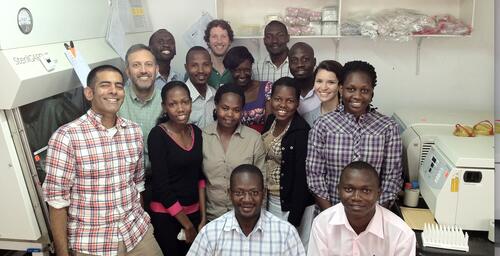
Diabetes Net Value teams
All News button
1
Authors
Beth Duff-Brown
News Type
News
Date
Paragraphs

Malaria claims nearly half-a-million lives worldwide each year — and yet we still know so little about the immunology of the disease that has plagued humanity for centuries.

There were 216 million cases in 2016, according to the World Health Organization. Sub-Saharan Africa carries 80 percent of the global burden of the mosquito-borne infectious disease which devastates families, disrupts education, and promotes the vicious cycle of poverty.

It is particularly brutal to pregnant women, who are three times more likely to suffer from a severe form of the disease, leading to lower birthweight among their newborns and higher rates of miscarriage, premature and stillborn deliveries.

“Pregnant women and their unborn children are more susceptible to the adverse consequences of malaria, so we are working to investigate new strategies and even lay the foundation for a vaccine to prevent malaria in pregnancy,” said Prasanna Jagannathan, MD, an assistant professor of medicine who is this year’s recipient of the Rosenkranz Prize.

Jagannathan, an infectious disease physician who is also a member of Stanford’s Child Health Research Institute, said the $100,000 stipend that comes with the prize will allow his lab members to ramp up their research in Uganda. A member of the nonprofit Infectious Disease Research Collaboration in Kampala, his team is particularly interested in how strategies that prevent malaria might actually alter the development of natural immunity to malaria.

“With support from the Rosenkranz Prize, we hope to identify maternal immune characteristics and immunologic targets that are associated with protection of malaria in pregnancy and infancy,” Jagannathan said.

The Dr. George Rosenkranz Prize for Health Care Research in Developing Countries is awarded each year by the Freeman Spogli Institute for International Studies and Stanford Health Policy to a young Stanford researcher who is trying to improve health care in underserved countries. It was established in 2009 by the family or Dr. George Rosenkranz, a chemist who first synthesized cortisone in 1951, and later progesterone, the active ingredient in oral birth control pills.

“My father has held a lifelong commitment to scientific research as a way to improve the lives and well-being of communities around the world,” said Ricardo T. Rosenkranz, MD. “In particular, he has always sought to improve the health of at-risk populations. Dr. Jagannathan’s work offers the very sort of innovative ingenuity that characterized my father’s early research, as well as his vision towards the future.”

Jagannathan and his collaborators at UCSF and in Uganda are currently conducting a randomized control trial of 782 Ugandan women who are receiving intermittent preventive treatment with a fixed dose of dihydroartemisinin-piperaquine(or IPTp-DP), a medication that has dramatically reduced the risk of maternal parasitemia, anemia, and placental malaria. Their preliminary data suggests that among 684 infants born to these women, maternal receipt of IPTp-DP may lead to a reduced incidence of malaria in the first year of life.

Image

“Having the discretionary support of the Rosenkranz Prize will allow us to generate some preliminary ideas from this trial that could lead to larger studies, to push this agenda further along,” Jagannathan said.

That agenda is to create a vaccine that targets pregnant women to prevent malaria both during pregnancy — but also potentially preventing malaria in infants, giving them a better start in life.

“We’re not the first ones to think of this, but we have the opportunity to test these hypotheses in incredibly unique settings, with really well-studied cohorts that have real-world implications in terms of what we find,” Jagannathan said. “I’m hopeful that the data that’s generated over the new few years will allow us to keep moving forward.”

Jagannathan has been traveling to Uganda for a decade to study malaria. He’s seen firsthand the relentless, gnawing impact the disease has on daily life.

“Before I went to Uganda I really didn’t understand the burden that malaria causes in communities — and it’s just incredible,” he said. His first study was on children aged 5 and under who had on average six episodes of malaria a year.

“They just get it over and over again, and the toll on society is enormous,” he said. The clinics are overwhelmed and a parent or sibling must miss work or school to stay home with that child.

Yet, in highly endemic settings, children eventually develop an immunity that protects against the adverse outcomes from malaria. If he and his colleagues can understand how pregnant women and children develop this clinical immunity to malaria, it could lead to better treatments and preventative strategies.

“If we understand the mechanisms that underlie naturally acquired immunity, that would offer some clues as to how we can develop a vaccine that actually allows either that immunity to occur more quickly or prevents us from developing immunity that allows for the parasite to persist without symptoms,” he said.

There is currently a malaria vaccine undergoing testing in Africa. The vaccine, known as RTS,S, was developed by GlaxoSmithKline and the PATH Malaria Vaccine Initiative, with support from the Bill and Melinda Gates Foundation. Decades in the making, four doses of the vaccine are required to reduce malaria infection in humans.

“It’s a remarkable vaccine in that it’s effective in the beginning, but the problem is that the efficacy wanes very rapidly,” Jagannathan said, noting that some studies show that beyond three years, the effectiveness drops to 15-20 percent.

“That’s the big issue and why people are really interested in trying to find new strategies and new approaches for a next-generation malarial vaccine,” he said. “That’s the overarching aspect of what motivates my work.”

Hero Image
Prasanna Jagannathan Rosenkranz Beth Duff-Brown
All News button
1
Subtitle

Prasanna Jagannathan and his lab members intend to ramp up their research in Uganda. A member of the nonprofit Infectious Disease Research Collaboration in Kampala, his team is particularly interested in how strategies that prevent malaria might actually alter the development of natural immunity to malaria.

Authors
News Type
News
Date
Paragraphs

Stanford scientists found that the global economy is likely to benefit from ambitious global warming limits agreed to in the United Nations Paris Agreement.

Failing to meet climate mitigation goals laid out in the U.N. Paris Agreement could cost the global economy tens of trillions of dollars over the next century, according to new Stanford research. The study, published in Nature, is one of the first to quantify the economic benefits of limiting global warming to levels set in the accord.

The agreement commits 195 countries to the goal of holding this century’s average temperature to 2 degrees Celsius above levels in the pre-industrial era. It also includes an aspirational goal of pursuing an even more stringent target of limiting temperature rise to 1.5 degrees. To date, the economic benefits of achieving these temperature targets have not been well understood.

 “Over the past century we have already experienced a 1-degree increase in global temperature, so achieving the ambitious targets laid out in the Paris Agreement will not be easy or cheap. We need a clear understanding of how much economic benefit we’re going to get from meeting these different targets,” said Marshall Burke, assistant professor of Earth system science in the School of Earth, Energy & Environmental Sciencesand lead author of the study.

To develop this understanding, a team of Stanford researchers studied how economic performance over the past half-century correlated with changes in temperature around the world. Then, using climate model projections of how temperatures could change in the future, they calculated how overall economic output is likely to change as temperatures warm to different levels.

The researchers found a large majority of countries – containing close to 90 percent of the world’s population – benefit economically from limiting global warming to 1.5 degrees instead of 2 degrees. This includes the United States, China and Japan – the three largest economies in the world. It is also true in some of the world’s poorest regions, where even small reductions in future warming generate a notable increase in per capita gross domestic product.

“The countries likely to benefit the most are already relatively hot today,” said Burke. “The historical record tells us that additional warming will be very harmful to these countries’ economies, and so even small reductions in future warming could have large benefits for most countries.”

The projected costs from higher temperatures come from factors such as increases in spending to deal with extreme events, lower agricultural productivity and worse health, the scientists said.

Previous research has shown that the actual climate commitments each country has made as part of the Paris Agreement add up to close to 3 degrees of global warming, instead of the 1.5–2 degrees warming goals.

Given this discrepancy, the researchers also calculated the economic consequences of countries meeting their individual Paris commitments, but failing to meet the overall global warming goals of 1.5–2 degrees. They found that failing to achieve the 1.5–2 degrees goals is likely to substantially reduce global economic growth.

climate economics Percentage gain in GDP per capita in 2100 from achieving 1.5 degrees Celsius global warming instead of 2 degrees.

Percentage gain in GDP per capita in 2100 from achieving 1.5 degrees Celsius global warming instead of 2 degrees. (Image credit: Marshall Burke)

“It is clear from our analysis that achieving the more ambitious Paris goals is highly likely to benefit most countries – and the global economy overall – by avoiding more severe economic damages,” said Noah Diffenbaugh, professor of Earth system science and paper co-author.

The authors note the study may underestimate the total costs of higher levels of global warming. That’s especially true if catastrophic changes such as rapid melting of the ice on Greenland or Antarctica come to pass, or if extreme weather events such as heatwaves and floods intensify well beyond the range seen in historical observations. A recent studyby Diffenbaugh and his colleagues showed that even with reduced levels of global warming, unprecedented extreme events are likely to become more prevalent.

The new research helps shed light on the overall economic value of the Paris Agreement, as well as on the Trump administration’s decision to withdraw the U.S. from the accord because of concerns that it is too costly to the U.S. economy. The researchers calculated that the overall global benefits of keeping future temperature increases to 1.5 degrees are likely in the tens of trillions of dollars, with substantial likely benefits in the U.S. as well. They note that these benefits are more than 30 times greater than the most recent estimates of what it will cost to achieve the more ambitious 1.5 degrees goal.

“For most countries in the world, including the U.S., we find strong evidence that the benefits of achieving the ambitious Paris targets are likely to vastly outweigh the costs,” said Burke.

Burke is also a fellow at the Center on Food Security and the Environment, the Stanford Woods Institute for the Environmentand the Freeman Spogli Institute for International Studies. Diffenbaugh is also the Kara J Foundation Professor, the Kimmelman Family Senior Fellow in the Stanford Woods Institute for the Environment and an affiliate of the Precourt Institute for Energy. Additional co-authors include W. Matt Davis, a former researcher at the Center on Food Security and the Environment. The research was supported by the Erol Foundation.

Media Contacts

Marshall Burke, School of Earth, Energy & Environmental Sciences: mburke@stanford.edu, (650) 721-2203
Noah Diffenbaugh, School of Earth, Energy & Environmental Sciences: diffenbaugh@stanford.edu, (650) 223-9425
Michelle Horton, Center on Food Security and the Environment: mjhorton@stanford.edu, (650) 498-4129


Hero Image
climateeconomics 555x370
The three largest economies in the world and almost 90 percent of the global population benefit economically from limiting global warming to 1.5 degrees instead of 2 degrees.
iStockphoto/leolintang
All News button
1
News Type
News
Date
Paragraphs

This is an excerpt of the the article, which was first published in Stanford News. You can read the whole article here.

A Stanford-led study in China has revealed for the first time high levels of a potentially fatal tapeworm infection among school-age children. The researchers suggest solutions that could reduce infections in this sensitive age range and possibly improve education outcomes and reduce poverty.

The study, published in PLOS Neglected Tropical Diseases, focuses on Taenia solium, a tapeworm that infects millions of impoverished people worldwide and can cause a disorder of the central nervous system called neurocysticercosis. The World Health Organization estimates that the infection is one of the leading causes of epilepsy in the developing world and results in 29 percent of epilepsy cases in endemic areas. It is thought to affect about 7 million people in China alone.

Hero Image
tapeworm news photo
All News button
1
Authors
Beth Duff-Brown
News Type
News
Date
Paragraphs

Prostate cancer is the second leading cause of death among American men, after heart disease.

Yet ever since the prostate-specific antigen (PSA) screening was approved by the FDA in 1986, there has been a debate in the health-care community about the efficacy of the test. The American Urological Association had until 2013 recommended routine testing but did an about-face not long after the U.S. Preventive Services Task Force recommended against regular screening.

The Task Force — and independent, volunteer panel of national experts in prevention and evidence-based medicine — concluded in 2012 that there was “moderate certainty” the benefits of the screening did not outweigh the potential harms. The biggest risks included a false positive that leads to a biopsy that could cause infection, pain and bleeding, as well as surgery and radiation that can provoke impotence or problems with the bladder or bowels.

But the Task Force is now recommending that men aged 55 to 69 talk to their physicians about whether to get the test. New evidence indicates screening in this age group can reduce the risk of metastatic cancer and the chance of dying from prostate cancer.

“Prostate cancer is one of the most common cancers to affect men and the decision whether to be screened is complex,” said Task Force vice chair Alex H. Krist, MD. “Men should discuss the benefits and harms of screening with their doctor, so they can make the best choice for themselves based on their values and individual circumstances.”

Stanford Health Policy’s Douglas K. Owens, director of the Center for Health Policy and the Center for Primary Care Outcomes and Research, said there is also new information on active surveillance — a way of monitoring prostate cancer that may allow some men with low-risk prostate cancers to delay or, in some cases, avoid treatment with radiation or surgery.

Active surveillance, he said, has become a more common choice for men with lower-risk prostate cancer over the past several years and may reduce the chance of overtreatment.

“For men who are more interested in the small potential benefit and willing to accept the potential harms, screening may be the right choice for them,” said Owens, MD, a professor at Stanford Medicine and another vice chair of the Task Force. “Men who place more value on avoiding the potential harms may choose not to be screened.”

The Task Force still recommends men 70 and older do not get the test as a matter of routine.

The panel released its recommendation on the Task Force website on May 8. The final recommendation and evidence reviews were published in the Journal of the American Medical Association (JAMA), along with several editorials.

The guidelines issued by the 16-member Task Force impact virtually every primary care patient and practice in the United States. They make letter grade recommendations and have now bumped the “D” against screening up to a “C,” which recommends screening decisions for prostate cancer be based on professional judgment and patient preference. 

The new recommendation now aligns with those of the American Cancer Society and the American Urological Association. Peter R. Carroll, MD, writes in an accompanying editorial in JAMA that the final recommendation by the Task Force “has restarted a national discussion on prostate cancer early detection.”

“The Task Force deserves credit for this more balanced, fairer approach,” said Carroll, a professor and chair of the Department of Urology at the University of California, San Francisco, who opposed the “D” grade the Task Force had given PSA screens in 2012. “The message now is not ‘no screening,’ but ‘smarter screening,’ preserving benefits and reducing harms.”

[[{"fid":"230809","view_mode":"crop_870xauto","fields":{"format":"crop_870xauto","field_file_image_description[und][0][value]":"","field_file_image_alt_text[und][0][value]":false,"field_file_image_title_text[und][0][value]":false,"field_credit[und][0][value]":"","field_caption[und][0][value]":"","thumbnails":"crop_870xauto"},"link_text":null,"type":"media","field_deltas":{"1":{"format":"crop_870xauto","field_file_image_description[und][0][value]":"","field_file_image_alt_text[und][0][value]":false,"field_file_image_title_text[und][0][value]":false,"field_credit[und][0][value]":"","field_caption[und][0][value]":"","thumbnails":"crop_870xauto"}},"attributes":{"class":"media-element file-crop-870xauto","data-delta":"1"}}]]

The recommendation also addresses men who are at increased risk, particularly African-American men and patients with a family history of prostate cancer.

“For African-American men or those with a family history of prostate cancer, informing these men of their higher risk for developing prostate cancer should be a part of the conversation,” wrote two researchers from the Cleveland Clinic in another accompanying JAMA editorial.

“The U.S. health care delivery system needs a structure that not only allows, but encourages, a space for physicians and patients to engage in meaningful conversations where shared decision making has the opportunity to take place,” wrote Anita D. Misra-Herbert, MD, and Michael W. Kattan, PhD. “What the updated USPSTF recommendations for prostate cancer screening are asking of physicians is to take time to pause, explain what is currently known, understand patient preferences, and make the screening decision together.”


Hero Image
psa test Getty Images
All News button
1
Authors
Beth Duff-Brown
News Type
News
Date
Paragraphs

There are 30 civil wars underway around the globe, where civilians are dealing with death and destruction as well as public health emergencies exacerbated by the deadly march of conflict.

Yemen is battling an unprecedented cholera outbreak which has killed more than 2,150 people this year, with another 700,000 suspected cases of the water-borne disease. The government and a rival faction have been fighting for control of the country, taking 10,000 lives since 2015.

Some 17 children in Syria have been paralyzed from a confirmed polio outbreak in northeastern districts, with 48 cases reported in a country that had not had a case of polio since 1999. The cases are concentrated in areas controlled by opponents of President Bashar al-Assad.

And in the Democratic Republic of Congo — where the civil war officially ended years ago, but thousands of people still suffer from recurrent uprisings and scant infrastructure — a yellow fever outbreak was met last year with a lack of vaccines. The WHO was forced to give inoculations containing a fifth of the normal dose, providing protection for only one year.

And yet today, of the nearly 200 countries on this planet, only six nations — three rich ones and three poor ones — have taken steps to evaluate their ability to withstand a global pandemic.

“The bottom line is that despite the profound global threat of pandemics, there remains no global health mechanism to force parties to act in accordance with global health interests,” write FSI’s Paul Wise and Michele Barry in the Fall 2017 issue of Daedalus.

“There also persists inherent disincentives for countries to report an infectious outbreak early in its course,” the authors write. “The economic impact of such a report can be profound, particularly for countries heavily dependent upon tourism or international trade.”

China, for example, hesitated to report the SARS outbreak in 2002 for fear of instability during political transition and embarrassment over early mishandling of the outbreak. Reporting cases of the 2013 Ebola outbreak in West Africa were slow and the virus killed some 11,300 people in Sierra Leone, Guinea and Liberia before the epidemic was declared over in January 2016.

Image
cdc ebola sign getty images

“Tragic delays in raising the alarm about the Ebola outbreak in West Africa were laid at the doorstep of the affected national authorities and the regional WHO committees, which were highly concerned about the economic and social implications of reporting an outbreak,” Wise and Barry write in the journal published by the American Academy of Arts and Sciences.

The Daedalus issue, “Civil War & Global Disorder: Threats and Opportunity,” explores the

factors and influences of contemporary civil wars. The 12 essays look at the connection of intrastate strife and transnational terrorism, the limited ambitions of intervening powers, and the many direct and indirect consequences associated with weak states and civil wars.

“Wise and Barry, both medical doctors with extensive field experience in violence-prone developing countries, analyze the relationship between epidemics and intrastate warfare,” write FSI’s Karl Eikenberry and Stephen D. Krasner in their introduction to the issue that includes eight essays by Stanford University faculty.

“Their discussion is premised on the recognition that infectious pandemics can threaten the international order, and that state collapse and civil wars may elevate the risk that pandemics will break out,” they wrote.

Eikenberry and Krasner are hosting a panel discussion about the new volume of Daedalus with FSI senior scholars, including Wise and Barry, on Oct. 23. Members of the Stanford community and the public are invited and can RSVP here. Podcasts with the authors will also be available at FSI’s World Class site over the next few weeks.

Prevention, Detection and Response

Barry and Wise believe there is significant technical capacity to ensure that local infectious outbreaks are not transformed into global pandemics. But those outbreaks require some level of organized and effective governance — and political will.

Prevention, detection, and response are the keys to controlling the risk of a pandemic. Yet it’s almost impossible for these to coincide in areas of conflict.

Prevention includes solid immunization programs and efforts to reduce the risk of animal-to-human spillover associated with exposure to rodents, monkeys and bats.

Then, early detection of an infectious outbreak with pandemic potential is crucial, through a methodical surveillance structure to collect and test samples drawn from domestic and wild animals, a capacity sorely lacking in areas of conflict and weak governance.

Image
paul

“Civil wars commonly disrupt traditional means of communication,” they write. “The Ebola virus outbreak in West Africa exposed glaring weaknesses in the global strategy to control pandemic outbreaks in areas with minimal public health capacity.”

New strategies that utilize satellite or other technology to link remote or insecure areas to surveillance are urgently needed, they said.

Then there is the response in countries where civil war not only makes it difficult, but politically treacherous.

In Syria, there had not been a case of polio reported since 1999. In 2013, health workers began to see children with the kind of paralysis that is associated with a highly contagious polio outbreak.

“However, the government and regional WHO office have been intensely criticized for their slow and uneven response,” the authors note, particularly the government’s resistance to mobilizing immunization efforts in areas sympathetic to opposition forces.

Pressure from international health organizations and neighbors in the region ultimately led to the reinstatement of vaccination campaigns throughout Syria.   

“The Syrian polio outbreak is an important reminder that health interventions, though technical in nature, can be transformed into political currency when certain conditions are met,” they write. “At the most basic level, the destruction or withholding of essential health capabilities can be used to coerce adversaries into political compliance, if not complete submission.”

Image
syria polio


Strengthening Global Oversight

The only comprehensive global framework for pandemic detection and control, the authors write, is the International Health Regulations treaty, which was signed in 2005 by 196 member-nations of the World Health Organization to work together for global health security.

The IHR imposed a deadline of 2012 for all states to have in place the necessary capacities to detect, report and respond to local infectious outbreaks. But only a few parties have reported meeting these requirements, and one-third has not even begun the process. There have also been efforts to enhance state reporting of health systems capacities through voluntary assessments of countries working through the Global Health Security Agenda consortium.

But both frameworks, Barry said in an interview, need financial and political support.

Image
michele

“I see a stronger IHR with more than words — but actual money behind it in order for it to become stronger,” said Barry, noting the Global Health Security Agenda ends in 2018 and she has been asked to sit on a NAAS task force to form its next iteration. “I’m hoping we can move the needle to put money into bio-surveillance and health security, especially in conflict areas.”

Why should Americans care?

“Pathogens know no borders,” Barry said. “And with climate change, we have tremendous movement of vectors; with globalization and billions of people routinely in flight, we have tremendous health threats traveling first class and coach.”

Twenty Countries at High Risk

Meanwhile, some 20 countries are at high risk for pandemic emergence. The two Stanford professors are urgently calling for “new approaches that better integrate the technical and political challenges inherent in preventing pandemics in areas of civil war.”

Wise and Barry note that human factors, such as the expansion of populations into previously forested areas, domesticated animal production practices, food shortages, and alterations in water usage and flows, have been the primary drivers of altered ecological relationships.

So globalization with climate change brews the perfect storm.

“There is substantial evidence that climate change is reshaping ecological interactions and vector prevalence adjacent to human populations,” they said. “Enhanced trade and air transportation have increased the risk that an outbreak will spread widely. While infectious outbreaks can be due to all forms of infectious agents, including bacteria, parasites, and fungi — viruses are of the greatest pandemic concern.”

Science suggests the greatest danger of pandemic lies in tropical and subtropical regions where human and animals are most likely to interact. Most of the estimated 400 emerging infectious diseases that have been identified since 1940 have been zoonoses, or infections that have been transmitted from animals to humans. The human immunodeficiency virus (HIV), for example, is believed to have emerged from a simian host in Central Africa.


Recent analyses have suggested that the “hotspots” for emerging infectious diseases overlap substantially with areas plagued by civil conflict and political instability. 

The U.S. Agency for International Development and the Centers for Disease Control and Prevention have been working on the Emerging Pandemic Threats Program to improve local pandemic detection and response capacities by directing resources and training to countries thought to be at high risk for pandemic. However, it is not clear that this and related programs are addressing the political dynamics at the local level that will determine the essential cooperation of local communities with any imposed global health security response.

“The unpredictability of a serious infectious outbreak, the speed with which it can disseminate, and the fears of domestic political audience can together create a powerful destabilizing force,” Wise and Barry write in their conclusion. “Current discussions regarding global health governance reform have largely been preoccupied by the performance and intricate bureaucratic interaction of global health agencies. However, what may prove far more critical may be the ability of global health governance structures to recognize and engage the complex, political realities on the ground in areas plagued by civil war.”


Hero Image
ebola toddler getty
A Liberian Red Cross burial team in Ebola protectant clothing collects the body of a toddler from a home in the West Point township on January 28, 2015, in Monrovia, Liberia.
John Moore/Getty Images
All News button
1
News Type
News
Date
Paragraphs

Rural areas of China have made remarkable progress in reducing adult mortality within the past 15 years yet broadened health insurance was not a casual factor in that decline, according to a new study by an international research team that includes Asia Health Policy Program Director Karen Eggleston.

The New Cooperative Medical Scheme (NCMS), a government-subsidized insurance program that began in 2002-03, expanded to cover all of rural China within a decade. Examining NCMS and cause-specific mortality data for a sample of 72 counties between 2004 and 2012, the researchers found that there were no significant effects of health insurance expansion on increased life expectancy.

The study, published in the September issue of Health Affairs, showed results consistent with previous studies that also did not find a correlation between insurance and survival, although much research confirms NCMS increased access to healthcare, including preventive services, and shielded families from high health expenditures.

Commenting on the study, Eggleston said population health policies remain central to China’s efforts to increase life expectancy and to bridge the gap between rural and urban areas.

Eggleston also noted that multiple factors beyond the availability of health care determine how long people live, and anticipates the research team will continue to explore the impacts of NCMS by extending the study to look at infants and youth.

Read the study (may require subscription) and view a related article on the Stanford Scope blog.

Hero Image
luoding china
Farmers dry star anise seeds in a country yard in Tanbin Township, China, Nov. 26, 2005.
Getty Images
All News button
1
Authors
Beth Duff-Brown
News Type
News
Date
Paragraphs

End-stage renal disease makes up 7.2 percent of Medicare spending, even though those patients represent less than 1 percent of the Medicare population, according to a database that tracks chronic kidney disease.

Despite the gnashing of teeth about the runaway costs of Medicare spending, the national health-care system for the elderly, younger people with certain disabilities and chronic kidney disease appears to have found one way to lower costs.

Congress established the end-stage renal disease (ESRD) Prospective Payment System in 2008, as part of the Medicare Improvement for Patients and Providers Act. It mandated that ESRD Medicare patients treat themselves at home if able.

The new payment system introduced two incentives to increase home dialysis use: bundling injectable medications into a single payment for treatment and paying for training for patients to give themselves injections and treatment at home.

A new study by Stanford researchers shows home dialysis treatment among Medicare patients increased by 5.8 percent from January 2006 through August 2013. The researchers also found that non-Medicare patients covered by other forms of health insurance also turned to home dialysis by a jump of 4.1 percent.

“These spillover effects suggest that major payment changes in Medicare can affect all patients with end-stage renal disease,” the authors wrote in the study published in the latest edition of the Journal of the American Society of Nephrology. “One of the stated goals of the PPS payment reform was to incentivize an increase in-home dialysis use, and it appears that it has succeeded in this stated goal.”

Eugene Lin, a postdoctoral fellow in nephrology at the Stanford School of Medicine and lead author of the study, told me that most nephrologists believe the trend toward home dialysis is good for the taxpayers and for the patients.

People going through this phase of chronic kidney disease — when dialysis or a kidney transplant are the only chance of survival  — cost less to take care of at home and have similar outcomes to in-center hemodialysis patients.

“It’s hard to say if one therapy is definitively better than the other,” Lin said, “though home dialysis generally offers patients more independence and potentially better quality of life.”

Lin explained the difference between in-center hemodialysis and home treatment: At a center, blood is filtered through a machine, whereas home dialysis entails either having a hemodialysis machine at home (and having a caregiver help with the treatments) or performing peritoneal dialysis.

The latter is the most commonly used at-home treatment and involves using the abdominal compartment as a filter. The toxins in the blood get filtered through the abdominal membranes into clean fluid, which is then removed and discarded.

Similar drugs are used both in centers and at home, but they’re easier to give in the hemodialysis setting, so had a higher likelihood of overuse prior to payment reform.

“Once they bundled the drug reimbursement with the treatment, we saw dramatic decreases in the use of these drugs and a concurrent increase in home dialysis use,” Lin said.

The researchers, including senior author Jay Bhattacharya of Stanford Health Policy, noted that home dialysis remained stagnant at around 11 percent from 1983 to 1992 and steadily declined until 2008.

“While the cause of this decline is unknown, several policies made home dialysis less favorable than in-center hemodialysis economically,” they wrote.

First, the federal Centers for Medicare & Medicaid Services in 1991 revised its reimbursement policy for the erythropoietin-stimulating agent needed for functioning kidneys, making it the most profitable component of in-centers hemodialysis. Then, CMS introduced a tiered fee-for-service physician payment in 2004, providing the potential for enhanced revenues with in-center dialysis.

But the PPS bundling shifted erythropoietin from the profit side to the cost side, so it was no longer advantageous to use high doses common with in-center hemodialysis, Lin said. This paved the way for an increase in home dialysis use, which is less costly to administer.

Hero Image
gettyimages 542570322
A cross-section of a kidney.
Getty Images
All News button
1
Authors
Beth Duff-Brown
News Type
News
Date
Paragraphs

Non-communicable diseases such as heart and respiratory disease, cancer, obesity and diabetes are now responsible for some two-thirds of premature deaths around the world. And most of those are in low- and middle-income countries.

The United Nations has estimated that on top of the social and psychological burdens of chronic disease, the cumulative loss to the global economy could reach $47 trillion by 2030 if things remain status quo.

“That was a big whopper of a number and got a lot of attention, and that was good because it raised awareness,” said Rachel Nugent, vice president for global non-communicable diseases (NDCs) at the research institute RTI International.

“It’s an issue that is driven by a lot of different factors, “ she said. “And understanding how the larger social and economic factors affect NDCs, at a policy level, very little progress has been made — there’s been very little collaboration.”

Nugent was addressing the fourth annual Global Health Economics Colloquium at University of California San Francisco, with health experts, policymakers, students and researchers from Stanford, Berkeley and UCSF who gather every year to take a deep dive into the economics of a global health issue. More than 200 experts from 10 universities and public health departments attended the conference.

The daylong gathering focused on recent developments in the economics of NDCs, looking at case studies from around the world, and new guidelines for cost-effectiveness analysis and the role of economics in reducing health inequality.

“The donors are not convinced that there are cost-effective things that we can do in these countries; a lot of them are very skeptical that this is affecting the poor,” said Nugent, a member of the World Health Organization’s expert advisory panel on the management of NCDs.

In India, for example, much of the population still defecates outdoors, contaminating water sources and agricultural products, which can lead to malnutrition and physical and cognitive disorders. Many donors would rather see funds go to building latrines as they can see tangible results; NDC prevention is a long-term slog.

“But I don’t think we should necessarily think of NDCs as either-or,” said Nugent.  “I think that integration of services and programming is very much at the forefront of what is the right way to go.”

Image
rachel nugent

Cost-effectiveness Analyses

Nugent’s research has shown five cost-effective interventions would avert more than 5 million premature deaths from NCDs by 2030, or a reduction of 28.5 percent in projected mortality from chronic disease around the world. And the average benefit-cost ratio is 9:1, at a global cost of $8.5 billion a year.

The interventions are raising the price of tobacco products by 125 percent through taxation; providing aspirin to 75 percent of those suffering from acute myocardial infarction; reducing salt intake by 30 percent; reducing the prevalence of high blood pressure with low-cost hypertension medication; and providing preventive drug therapy to 70 percent of those at high risk of heart disease.

Gillian Sanders-Schmidler, a professor of medicine at Duke University Medical Center and former assistant professor of medicine at Stanford Health Policy’s Center for Primary Care and Outcomes Research, addressed the colloquium about recommendations of the Second Panel on Cost-Effectiveness in Health and Medicine.

“There is a continued emphasis on transparency and comparability across analyses,” said Sanders-Schmidler. “And of course the big changes are that we’re now asking for a second reference case and using an ‘impact inventory’ table to clarify the scope of the findings.”

The independent panel of non-government scientists and scholars, which also included Stanford Health Policy’s Douglas K. Owens, focused on new ways to deliver health care effectively, yet with a focus on efficiency, as health care spending in the United States has reached 18 percent of GDP, much greater than the global average of 10 percent.

The first panel that convened in 1996 recommended that all cost-effectiveness analyses of health interventions include a reference case that uses standard methodological practices to improve comparability and quality. The second panel, which published its findings in September, now recommends that in addition to the societal perspective recommended by the original panel, that CEAs include a second reference case that looks at the health-care sector impact of an intervention. Additional guidance was given on what to include in the societal perspective reference case.

The panel wrote in its JAMA “special communication” that these societal reference cases should include medical costs “borne by third-party payers and paid out-of-pocket by patients, time costs of patients in seeking and receiving care, time costs of informal (unpaid) caregivers, transportation costs, effects on future productivity and consumption, and other costs and effects outside the health-care sector.”

They found most countries, including the United States, give greater weight to clinical evidence in their cost-effectiveness analyses. The panel now recommends an “impact inventory” that helps analysts and end-users of cost effectiveness analyses look at the impact of interventions beyond the formal health-care sector.

“We’re trying to ask people to be explicit,” said Owens, director of the Center of Primary Care and Outcomes Research and Center for Health Policy at Stanford.

“We want them to look at how to value outcomes in a societal perspective, not just the health-care sector, to look at all these other sectors such as productivity consumption, criminal justice, education, housing and the environment,” he said.

Image
sodas

Case Studies

Several case studies presented at the colloquium indicated that policy changes, government intervention and social factors are key to preventing obesity and diabetes and other NCDs.

Kristine Madsen, an associate professor of public health at UC Berkeley who focuses on childhood obesity, spoke about the nation’s first “soda tax” on sugar-sweetened beverages, which was implemented in Berkeley in March 2015.

The city has seen a 21 percent decline in the drinking of soda and other sugary drinks in low-income neighborhoods after the city levied a penny-per-ounce tax on sodas and sugary drinks. At the same time, according to a study in the American Journal of Public Health, neighboring San Francisco — where a similar soda-tax measure was defeated — and Oakland saw a 4 percent increase in the purchase of sweetened beverages.

“This decline of 21 percent in Berkeley represents the largest public health impact in an intervention that I have ever seen,” said Madsen.

Sergio Bautista of the Mexico National Institute of Public Health and UC Berkeley, said that Mexico’s sugary drinks tax implemented in January 2014 is expected to lead to a 10 percent reduction in sugary drinks consumption and prevent an estimated 189,300 cases of diabetes in a country famed for its sugary bottled cola.

William Dow, a professor of health policy management at UC Berkeley, shared his research on Costa Rica, where on average people live longer than Americans, despite the several times higher income and 10 times higher health expenditures in the United States.

Costa Rican men have a life expectancy of 77 and the women typically live until age 82; in Americans the numbers are 76 and 81, respectively. Obesity is low among Costa Rican men and few of their women smoke. Lung cancer mortality in the United States is four times higher among men and six times higher among women.

“It’s remarkable in so many ways,” Dow said, noting that deaths in the Central American country are due predominantly to infectious disease. “Does Costa Rica have any unique effective programs to emulate, or is there something going on upstream driving those health outcomes?”

He believes Costa Rica’s national health insurance and excellent access to primary care for nearly all its people are key. Having this guaranteed lifetime access to health care also reduces the stress and depression that can so badly harm physical health.

“And I would argue that probably diet is one of the most important things going on here,” said Dow, noting their diets are healthy.

Costa Ricans eat mostly unprocessed foods such as rice and black beans, corn tortilla, yam and squash, with little meat and plenty of fresh fruit.

“They also have the highest remaining life expectancy at age 80 of any country in the world, he said. “What we have learned in Costa Rica would be helpful in many other countries.”

Hero Image
ariel people Getty Images
All News button
1
Subscribe to Disease