Disease
Authors
Callista Wells
News Type
News
Date
Paragraphs

To celebrate its May Release, the Stanford China Program hosted a virtual book launch event for Fateful Decisions: Choices That Will Shape China’s Future (Stanford University Press) on June 2nd. Joining co-authors Thomas Fingar (Shorenstein APARC Fellow, Stanford University) and Jean C. Oi (Director, Stanford China Program; William Haas Professor of Chinese Politics, Stanford University) were contributors Karen Eggleston (Senior Fellow at FSI; Director of the Asia Health Policy Program, Shorenstein APARC, Stanford University), Barry Naughton (Sokwanlok Chair of Chinese International Affairs, School of Global Policy and Strategy, UC San Diego), and Andrew Walder (Senior Fellow at FSI; Denise O'Leary and Kent Thiry Professor, Stanford University). As Fingar and Oi point out in their volume, despite China’s extraordinary growth over the past 40 years, the country’s future is uncertain. China has enjoyed optimal conditions for development since the 1980s, but new hurdles including an aging populace, the loss of comparative economic advantage, a politically entrenched elite, and a population with rising expectations will test the country’s leaders. With each focusing on a different facet of China’s challenges, the panelists gathered to share their expertise and provide the audience with a glimpse into what the future might hold for this important country.

Following an introduction from Professor Jean Oi, the program kicked off with Professor Barry Naughton of University of California, San Diego, who discussed his chapter entitled “Grand Steerage.” Professor Naughton argued that, as it plans for the future, China’s policymaking is becoming increasingly technology-focused, particularly in the realm of economic policy. Naughton further notes that China’s economy is becoming simultaneously more state-guided and more centered around technology. This decision is a gamble, though: China is investing heavily in high-tech industries, advancing massive, centrally steered projects like the Greater Bay Area initiative and the Xiong’an New District. If they are successful, says Naughton, this will indeed be an incredible success. But, if they are not, China’s losses will be major: “There’s not really a middle ground.”

After Professor Naughton was Professor Karen Eggleston, an expert on health policy in Asia. Professor Eggleston’s chapter, “Demographic and Healthcare Challenges,” deals with emerging obstacles for China’s healthcare system, including population aging and the problems that come with it, like chronic diseases and elder care. Although China’s healthcare system has improved dramatically in recent decades, it has done so unevenly, notes Eggleston: life expectancy has greatly increased, but with disparities according to income, region, and urban vs. rural status; universal healthcare is available, but the benefit level is low, effectively limiting the standard of care many can receive. The ratio of health spending to GDP is also increasing, yet it is still modest compared to high-income countries. The COVID-19 crisis has, of course, introduced even more challenges: Will China be able to distribute future vaccines equitably? Will this crisis negatively affect young people’s decisions to choose healthcare as a career? Will telemedicine, which has seen a surge under the pandemic, improve or exacerbate existing disparities? China faces a multitude of constraints and choices going forward if it hopes to meet its population’s healthcare needs.

The audience then had a chance to hear from co-editor Thomas Fingar, speaking on his chapter, “Sources and Shapers of China’s Foreign Policy.” Fingar noted three key takeaways from both his chapter and his talk: Firstly, China’s foreign policy is a fundamental part of its national policy. Secondly, the global political environment plays an important role in shaping both foreign and domestic policy which, thirdly, plays an important role in shaping foreign policy. The conditions that allowed China to flourish over the past 40 years, emphasized Fingar, are very different from those of the present. In the 1970s and 80s, China was able to take advantage of Cold War bipolarity, globalization was in its infancy, and “China was the only significant developing country willing to embark, at that time, on the export-led path of development.” In recent years, though, China’s behavior internationally has alienated other countries; there are many competitors pursuing its style of development; and its needs and aspirations have changed, requiring more raw materials and depending upon multi-national economic agreements. Fingar suggests two potential foreign policy options: China could continue with its wolf warrior diplomacy, which has “alienated essentially all China’s neighbors to some degree,” or it could return to a style more similar to that of the 1980s and 90s Reform and Opening era. It remains to be seen which style will win out.

Finally, Professor Andrew Walder concluded the program with his discussion of China’s political future at large. His chapter, “China’s National Trajectory,” follows China’s remarkable advancement in recent years and “tr[ies] to divine what a lower growth era will mean for China’s political future.” The last 40 years of rapid growth have generated support for China’s political system, more patriotism, the near eradication of democracy movements, and an elite unity not seen in the 1970s and 80s. However, low growth rates could mean a reversal for many of these trends, says Walder. While the aforementioned support for and stability of the Chinese government was maintained by ever-improving living standards and upward mobility, a low growth period (coupled with an aging population) means the government will no longer be able to rely on these trends for popular support. Rather, it will need to improve its provision of public services to address present-day challenges. Regardless, argues Walder, the low growth era will undoubtedly lead to “dynamic changes underneath the façade of stability of Chinese politics….”

For more insights on the modern obstacles China faces and what they mean for the country’s future, check out Fateful Decisions: Choices That Will Shape China's Future, available for purchase now.

Read More

Elderly Chinese citizens sit together on a park bench.
Q&As

Karen Eggleston Examines China’s Looming Demographic Crisis, in Fateful Decisions

Karen Eggleston Examines China’s Looming Demographic Crisis, in Fateful Decisions
Quote from Thomas Fingar and Jean Oi from, "China's Challeges: Now It Gets Much Harder"
Commentary

Now It Gets Much Harder: Thomas Fingar and Jean Oi Discuss China’s Challenges in The Washington Quarterly

Now It Gets Much Harder: Thomas Fingar and Jean Oi Discuss China’s Challenges in The Washington Quarterly
Hero Image
Fateful Decisions book cover
All News button
1
-

看微信网页:https://bit.ly/3gRDy8Q
View this page on WeChat: https://bit.ly/3gRDy8Q


This is a virtual event. Please click here to register and generate a link to the talk. 
The link will be unique to you; please save it and do not share with others.


Sponsored by the Stanford China Program and the Stanford Center at Peking University.

The ravages of COVID-19 are now global. But the pandemic first struck in China, and the nation suffered a 6.8% decline in its first-quarter GDP. China is also the first country to move towards a recovery, however, rolling out government measures, re-opening businesses, and re-starting its economy. In this key moment, the Stanford China Program, in collaboration with alumni members of the Stanford Graduate School of Business, surveyed senior executives in China as their companies reboot their operations. In this two-part program, we first unveil potential trends and key takeaways from the survey. In the second half, we host a panel of prominent CxOs from China who give their insights and experiences rebooting their businesses. What are short-term challenges that companies in China currently face? What are some long-term implications of COVID-19 for their operational model, supply chain strategies, technology, and business digitization? What might they also mean, if any, for global trade relations and the future of globalization?

Agenda (in Pacific Time)

5:00-5:30 PM   Survey Presentation: Key Takeaways
5:30-6:15 PM   China CxO Panel: Discussion
6:15-6:45 PM   Audience Q&A

Agenda (in China)

8:00-8:30 AM   Survey Presentation: Key Takeaways
8:30-9:15 AM   China CxO Panel: Discussion
9:15-9:45 AM   Audience Q&A


PANEL SPEAKERS

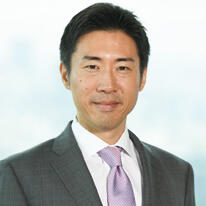
Portrait of Shiqi WangAlvin Shiqi Wang (王世琪) has served as CEO and President of 21Vianet Group, Inc. since February 2018. Currently, Mr. Wang serves as Vice President of TUS Digital Group, a subsidiary of TUS Holdings, and serves on the board of directors of Beijing CIC Technology Co., Ltd. and Guangzhou Tuwei Technology Co., Ltd. . Mr. Wang has nearly 20 years of experience in the telecommunications industry, working at various renowned international companies, including 11 years with Ericsson, focusing primarily on strategy development and execution, corporate management, and equity investments. Mr. Wang received a bachelor's degree from Tsinghua University and an MBA from Peking University-Vlerick MBA Programme (BiMBA).


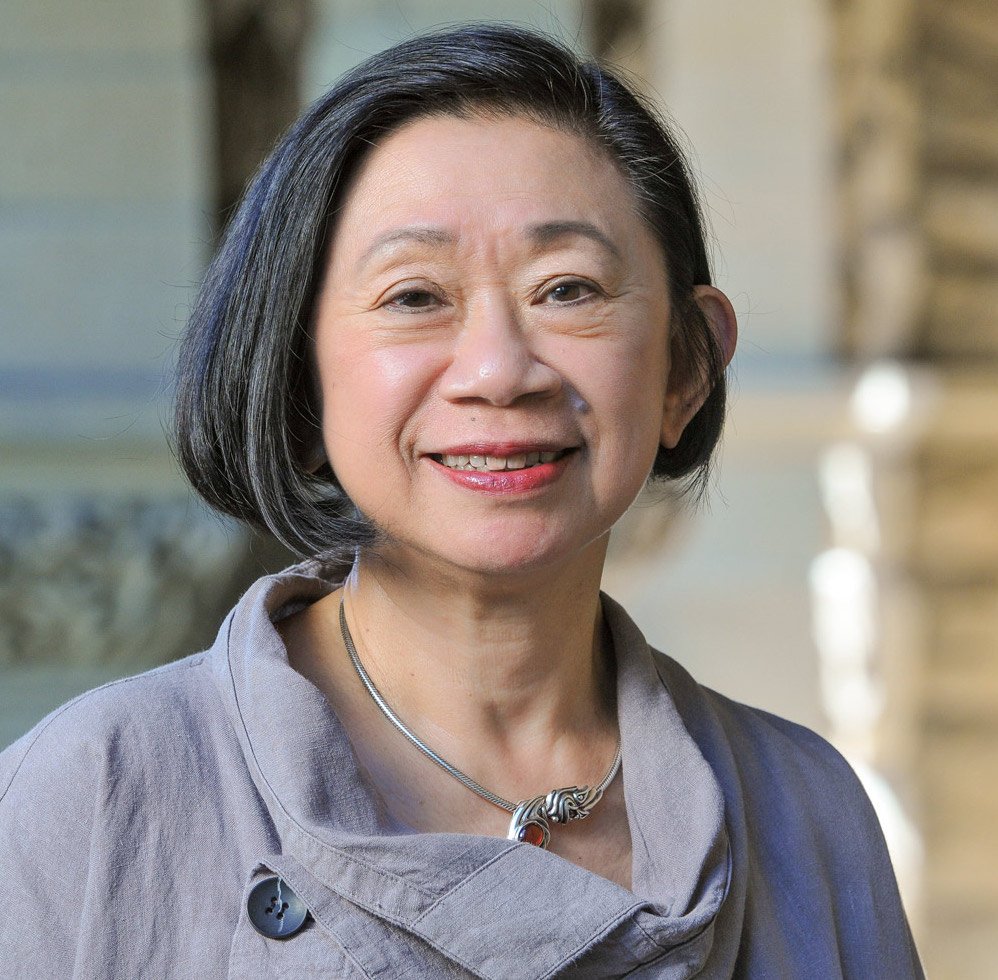
Portrait of Xiang WangXiang Wang (王翔) is President and Acting CFO of Xiaomi Corporation, responsible for platform functions and for assisting the CEO with Group operations. Mr. Wang joined Xiaomi Corporation in July 2015 served as its Senior Vice President and President for International Business, responsible for global expansion, IP strategy, and strategic partner relationship management. Mr. Wang has more than 20 years of experience in the semiconductor and communications fields, with great vision and comprehensive understanding of next-generation wireless communications. He has played an integral role in shaping Xiaomi’s international business operations including with respect to its intellectual property compliance, management and strategy throughout the world. In 2016, Mr. Wang put together an international team of sales and marketing teams to expand into more markets outside of China. Within just 3 years, he led his teams into over 90 markets. As of Q3 2019, Xiaomi’s international revenue accounted for 48.7% of its total revenue. Today, Xiaomi is ranked among top 5 smartphone brands in over 40 markets. Mr. Wang previously served as the Senior Vice President of Qualcomm and President of Qualcomm Greater China, leading the company’s business and operations in Greater China. Prior to that role, he was Vice President of Qualcomm CDMA Technology, responsible for Qualcomm chipset business and customer service in China. Under his leadership, Qualcomm rapidly extended and strengthened its partnerships with increasing numbers of Chinese manufacturing customers. Before joining Qualcomm, Mr. Wang held key positions in sales and marketing at internationally leading companies, including Motorola and Lucent/Agere. Mr. Wang earned his BSEE from Beijing Polytechnic University.

 

Image
Portrait of Simon Yang
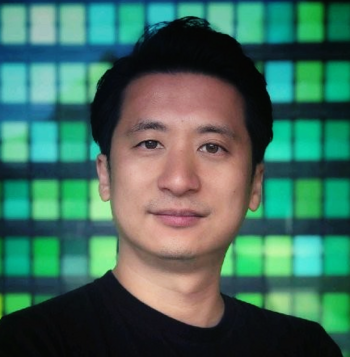
Simon Yang (杨士宁) is the CEO of Yangtze Memory Technologies Co., Ltd. (YMTC), who brings YMTC to a new height in 3D NAND industry. As an experienced executive in the semiconductor industry for over 30 years, Dr. Yang served as the CEO of XMC, COO/CTO of SMIC, and CTO/SVP of Chartered Semiconductor (Now GlobalFoundries), in charge of fab operation and technical R&D. Before that, he was in the Portland Technology Development sector of Intel for more than 10 years, in which he led a series of technical R&D projects. Dr. Yang obtained a Bachelor’s Degree from Shanghai University of Science & Technology, and a Master’s Degree and a Doctoral Degree from Rensselaer Polytechnic Institute.


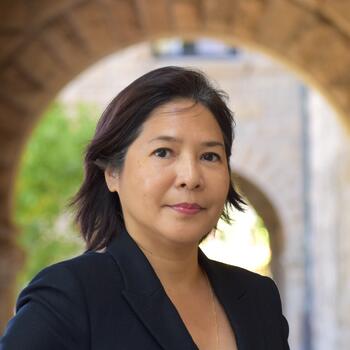
Portrait of Zhiqiang (ZZ) ZhangZhiqiang (ZZ) Zhang (张志强) is President of ABB in China since October 2018. He has extensive management experience and a deep understanding of the Chinese market, developed during his career at several large global companies over the past three decades. He joined ABB from Sandvik where he was Asia- Pacific Regional Holding Officer and President of Sandvik China, and Member of Sandvik Group Executive Committee. Prior to that, he held leadership positions at several other companies, including Nokia Siemens Networks, where he was President of the Greater China Region, and Siemens VDO Automotive, China, where he was President and CEO. Mr. Zhang is Non-Executive Board member of Georg Fischer AG (Switzerland) and Daetwyler Holding AG (Switzerland). He holds a bachelor’s degree in electronic engineering from Beijing Jiaotong University, China, and a master’s degree in business administration from the Smith School of Business at Queen’s University in Canada.


SURVEY PRESENTERS

Jean C. OiJean C. Oi is the William Haas Professor of Chinese Politics in the Department of Political Science and a senior fellow in the Freeman Spogli Institute for International Studies at Stanford University. She directs the China Program at the Walter H. Shorenstein Asia-Pacific Research Center and is the Lee Shau Kee Director of the Stanford Center at Peking University. Professor Oi has published extensively on China’s reforms. Recent books include Zouping Revisited: Adaptive Governance in a Chinese County, coedited with Steven Goldstein (Stanford University Press, 2018), and Challenges in the Process of China’s Urbanization, coedited with Karen Eggleston and Yiming Wang (2017). Current research is on fiscal reform and local government debt, continuing SOE reforms, and the Belt and Road Initiative.


Photo of Christopher ThomasChristopher Thomas was most recently a partner with McKinsey & Company. He served as co-Managing Partner for the Firm’s Global Digital Strategy service line as well as its Global IoT service line; and as the leader of its Asia Semiconductor Practice. Prior to McKinsey, Mr. Thomas spent ten years at Intel. He was the General Manager of Intel China, with joint ownership for the region’s $5 billion-plus P&L. In this role, he grew revenues by more than 50% and oversaw China’s successful elevation from a sales unit to an independent regional P&L business reporting directly into headquarters. Mr. Thomas began his career as a private equity investor at The Blackstone Group in New York City. He is currently a Visiting Professor at Tsinghua University, China’s leading educational institution. He received an MBA from Stanford Business School, where he was an Arjay Miller scholar; a Master of Arts in Political Science from Stanford University; and a Bachelor of Science in Economics, summa cum laude, from the Wharton School.
 

Image
Portrait of Xander Wu
Xander Wu (吴雪) oversees industry development and builds partnerships with the world’s top cloud computing companies for China Mobile International (USA). He helps clients expand their global footprint and advises companies on best practices for digital transformation. Mr. Wu has 13 years' experience in the global 4G and 5G industry, with a track record of achieving a number of the world’s first milestones in 5G and several de-facto standards for 4G and data networks. Mr. Wu graduated from Stanford Graduate School of Business, where he researched digital transformation and advised startups in the energy sector. He serves as a mentor at several incubators such as Plug and Play, helping startups find the right product/market fit and tailor go-to-market strategy.


Via Zoom Webinar.
Register at: https://bit.ly/2U2r30q

Alvin Shiqi Wang (王世琪) <br>CEO, President of 21Vianet Group, Inc.<br><br>
Xiang Wang (王翔) <br>President of Xiaomi Corporation<br><br>
Simon Yang (杨士宁) <br>CEO of Yangtze Memory Technologies Co., Ltd. (YMTC)<br><br>
Zhiqiang (ZZ) Zhang (张志强) <br>President, ABB (China)<br><br>
Jean C. Oi <br>Director of Shorenstein APARC China Program; William Haas Professor of Chinese Politics, Stanford University<br><br>
Christopher Thomas <br>Visiting Professor, Tsinghua University<br><br>
Xander Wu (吴雪) <br>China Mobile International (USA)<br><br>
Panel Discussions
Authors
News Type
Blogs
Date
Paragraphs

Image
Portrait of Marjorie Pajaron
Marjorie Pajaron’s research lies at the intersection of applied microeconomics and health policy, with a focus on gender, health, development, and labor economics. Prior to her appointment at the University of the Philippines School of Economics, she was a postdoctoral fellow in Asia health policy at APARC.

This is the third installment in our series, “Stories in a Time of Pandemic,” in which APARC alumni across Asia share their perspectives on the responses to and implications of COVID-19 in their communities. In part 1 and part 2 of the series, we feature observations from our alumni in China, Mongolia, Myanmar, and Singapore.


The first case of COVID-19 in the Philippines was reported on January 30, 2020, and local transmission was confirmed on March 7, 2020. As of May 21, the number of cases of COVID-19 has risen to 13,434 and the number of deaths attributed to the virus increased to 846, according to the Philippine Department of Health COVID-19 Case Tracker. It is quite alarming that among the ASEAN countries, the Philippines had the second-highest mortality due to COVID-19, next to Indonesia (as per May 5 date by the WHO COVID-19 Dashboard). This could be attributed to several factors, including whether the country’s health system can handle the overwhelming demand for health care due to the COVID-19 crisis and how effective the government’s response is in stemming the spread of this new pathogen. Inherent in the death statistics is the capacity of a country to conduct COVID-19 tests, which means that there should be a sufficient number of test kits available and that the health workers are properly trained to conduct the tests, trace the contacts, and isolate identified individuals.

The President of the Philippines imposed a total lockdown called enhanced community quarantine (ECQ) for the entire island of Luzon, which encompasses eight administrative regions, including the national capital region, from March 15 to April 30. Other parts of the country have also been under some degree of quarantine at different periods since the appearance of local transmission. Executive Order 112, signed on April 30, 2020, was issued to further extend the ECQ in identified high-risk areas and a general community quarantine (GCQ) in the rest of the country. The inter-agency task force for the management of emerging infectious diseases defines ECQ as the implementation of temporary restrictions on the mobility of people, strict regulations of industries, and a heightened presence of uniformed personnel. GCQ is, in a nutshell, a less strict version of ECQ.

Image
A table showing COVID-19 cases in Southeast Asian countries compared with U.S., China, and total global case count
Image captured from the Center for Strategic and International Studies, Southeast Asia COVID-19 Tracker, May 21, 2020.


The Philippines has faced a lot of challenges during this crisis. First, the health system lacks adequate surge capacity to safely handle a nationwide outbreak of COVID-19 due to shortages of personal protective equipment (PPE), mechanical ventilators, and hospitals with ICUs and isolation beds (see this World Bank report and this Rappler article). More importantly, the insufficient number of health workers, especially in areas outside the metropolitan, is a major concern. Nonetheless, the Department of Health has worked hard to meet the surge in demand due to COVID-19, including partnering with the private sector to repurpose structures and providing data to the public to ensure transparency and accountability. As in other countries, the health workers and those with frontline responsibilities have truly been the new heroes or “bayani” with their tireless efforts and sacrifices. 

A significant challenge pertains to the adverse economic impact of COVID-19. The Philippines has a relatively large informal sector and the income of many families depends on daily transactions with no formal job or social security.
Marjorie Pajaron

Another challenge pertains to the adverse economic impact of COVID-19. The Philippines has a relatively large informal sector and the income of many families depends on daily transactions with no formal job or social security. This has prompted the government to extend cash or in-kind support to vulnerable populations – a response that has posed several challenges, particularly related to the who/what/how framework. First, the Philippine government had to properly identify those in need (who). Second, it had to ensure that sufficient resources can be allocated to the identified groups (what). And third, it had to distribute aid in an efficient, timely, and equitable way (how). The government's social welfare efforts to provide for the vulnerable groups have mixed results: at times, the distribution of aid is organized and efficient, at other times insufficient and disorderly (see these CNN Philippines reports of April 7 and April 30).

COVID-19 in the Philippines – How Filipinos Have Coped

There has been a strong spirit of “bayanihan” or collectivism in the country amidst the COVID-19 crisis. People are volunteering, distributing goods to vulnerable groups, or donating PPE to those with frontline duties. Some enterprises also rose to the occasion by repurposing their businesses to meet the local demand for medical products and PPE.

Different individuals have coped differently: some have welcomed the work hiatus that the quarantine has afforded them, some connected more with friends and family, others become more productive working from home. Staying healthy and being mindful are also factors that contribute to remaining calm and rational in this time of national distress.

Despite the challenges, we will continue to face, especially once the quarantine has eased and the new normal is in effect, we can say that Filipinos have also learned some valuable lessons amid this crisis. For one, Filipinos have become more mindful of the importance of good sanitation and non-pharmaceutical public health measures in mitigating the transmission of the virus. Most Filipinos have also become more proactive in their approach, keeping social distance, wearing masks, and practicing proper handwashing, among others. Furthermore, this crisis has redefined and created new heroes who rose to the challenge – from those staying at home to avoid the further spread of the virus to those on the frontline who have dedicated their time and effort to combat the pandemic, to government and business leaders who have served the country sincerely during this crisis.

Perhaps there really is a silver lining in every cloud.

Read More

A coronavirus spinning with Mongolia flag behind
Blogs

Lessons from Mongolia’s COVID-19 Containment Strategy

Dr. Gendengarjaa Baigalimaa, an oncologist at a hospital in Mongolia’s capital and former postdoctoral fellow with APARC’s Asia Health Policy Program, explains how decisive preventative measures have helped the country prevail in the fight against COVID-19.
Lessons from Mongolia’s COVID-19 Containment Strategy
Various buildings and structures from across Asia
Blogs

Stories in a Time of Pandemic: APARC Alumni Share Their Experiences

We've asked some of our former scholars how COVID-19 is changing life in the many places around the world they call home.
Stories in a Time of Pandemic: APARC Alumni Share Their Experiences
Hero Image
People queue while wearing face masks
Residents queue while wearing face masks before undergoing rapid antibody testing for COVID-19 in Quezon city, Metro Manila, Philippines, May 20, 2020.
Ezra Acayan/ Getty Images
All News button
1
Subtitle

Marjorie Pajaron, assistant professor at the University of the Philippines School of Economics, describes the unfolding of the pandemic in the country and how Filipinos have coped with the evolving situation.

Authors
News Type
Blogs
Date
Paragraphs

Mongolia, a nation bordered by China and Russia, does not usually attract much public attention. Its success so far in containing COVID-19, however, is well worth considering.

Any of several factors could make Mongolia highly vulnerable to COVID-19: its weak healthcare system, its proximity to China, the first epicenter of the coronavirus, and its close ties to South Korea, which experienced one of the largest initial outbreaks of COVID-19 outside China and which is home to a relatively large population of Mongolian migrant workers. Yet Mongolia’s strategy in fighting the pandemic seems to have worked well thus far for its 3.2 million people.

In the following post, Dr. Gendengarjaa Baigalimaa, a gynecological oncologist at the Mungun Guur Hospital in Ulaanbaatar, Mongolia’s capital, discusses the country’s response to the pandemic and its implications. Baigalimaa was a 2013-14 postdoctoral fellow on developing Asia health policy with APARC’s Asia Health Policy Program.


This is the second installment in our series, “Stories in a Time of Pandemic,” in which APARC alumni across Asia share their perspectives on the responses to and implications of COVID-19 in their communities. You can read the first part in the series, featuring reflections by several former Global Affiliates Program Fellows.

[To get stories like this delivered directly to your inbox sign up for our newsletters]


Dr. Gendengarjaa Baigalimaa Dr. Gendengarjaa Baigalimaa
As of May 17, 2020, the number of new coronavirus infections in Mongolia has reached 136. All of them are imported cases, including four foreigners and 132 Mongolians who came from abroad. They have been treated by the National Center for Communicable Diseases and some have been discharged as totally recovered. Most notably, there have been no reports of community transmission.

Following the World Health Organization's recommendation of January 22 that countries begin considering containment measures, Mongolia immediately activated its inter-agency State Emergency Commission in support of the Ministry of Health as a lead agency in the response against the coronavirus outbreak. The Mongolian government made an unprecedented decision to close all schools and kindergartens starting January 25. All classes are now being conducting via TV and the internet.


Already in mid-February, with the pandemic's spreading in China, the Mongolian government’s strategy was to adopt decisive preventative measures, including the cancelation of the national holiday Tsagaan Sar, the Mongolian lunar new year, and closure of all travel between Ulaanbaatar and provinces outside the capital. Mongolia also closed its borders with China and Russia, stopping the inflow and outflow of people, and banned international flights from all airlines. The government has been mobilizing its citizens to return home from countries like South Korea, Japan, Turkey, and Russia. Those arriving are quarantined for an extended 21-day period, with multiple coronavirus screenings.

The Mongolian government’s strategy was to adopt decisive preventative measures. These steps have helped immensely to contain the spread of COVID-19. They have also had the added benefit of reducing the number of flu infections.
Dr. Gendengarjaa Baigalimaa

The use of masks, especially from early November, when flu season starts and air pollution worsens, is already familiar to Mongolians. This season, the government has enforced mask-wearing in public places. In the capital city of Ulaanbaatar, the requirement that all employees at government offices, banks, shops, and markets wear masks was imposed as early as January 25. The State Emergency Commission would issue fines of 150,000₮ (54 USD) for violating the order. At the same time, health professionals and community leaders conveyed the importance of mask-wearing and handwashing and worked to increase sanitation at all public places.    

These steps have helped immensely to contain the spread of COVID-19. They have also had the added benefit of sharply reducing the number of flu infections. At the start of the flu season last year, almost 12.7 percent of all hospital visits were flu-related, compared to 1.8 percent this year. Another unexpected benefit was the drop in gastrointestinal infections among children. Children were staying home and washing their hands properly. As a result, there have been no cases of gastrointestinal infections registered this year so far.

“Not only did Mongolia close its borders early and move promptly, but also did a great job at quarantining evacuees from overseas immediately upon arrival and taking safety measures,” said Mr. Sergey Diorditsa, the WHO representative to Mongolia. He praised the country’s economic stimulus measures and noted that prolonged restrictions may adversely affect its social and economic sectors and that WHO Mongolia is conducting a study on the in-country impacts of COVID-19. Indeed, data provided by the National Statistical Office shows that the country’s economy is expected to decline sharply due to the adverse effects of the pandemic.

Mongolia’s urgent response to COVID-19 offers lessons for vulnerable communities on containment of the coronavirus and prevention of its spread. The country is also a relevant case study for the economic repercussions of the pandemic.

Read More

Cover image of the book "Healthy Aging in Asia", showing a smiling elderly Chinese woman with a cane standing in a small village.
News

New Book Highlights Policy Initiatives and Economic Research on Healthy Longevity Across Asia

Asia health policy expert Karen Eggleston’s new volume, ‘Healthy Aging in Asia,’ examines how diverse Asian economies – from Singapore and Hong Kong to Japan, India, and China – are preparing for older population age structures and transforming health systems to support patients who will live with chronic disease for decades.
New Book Highlights Policy Initiatives and Economic Research on Healthy Longevity Across Asia
Michael McFaul, Xueguang Zhou, Karen Eggleston, Gi-Wook Shin, Don Emmerson, and Yong Suk Lee
News

FSI Hosts APARC Panel on COVID-19 Impacts in Asia

Scholars from each of APARC's programs offer insights on policy responses to COVID-19 throughout Asia.
FSI Hosts APARC Panel on COVID-19 Impacts in Asia
Hero Image
A coronavirus spinning with Mongolia flag behind Photo credit: Ahmed Zaggoudi via Getty Images
All News button
1
Subtitle

Dr. Gendengarjaa Baigalimaa, an oncologist at a hospital in Mongolia’s capital and former postdoctoral fellow with APARC’s Asia Health Policy Program, explains how decisive preventative measures have helped the country prevail in the fight against COVID-19.

Authors
News Type
Q&As
Date
Paragraphs
Hero Image
Paula Findlen, Ubaldo Pierotti Professor of Italian History
Paula Findlen is the Ubaldo Pierotti Professor of Italian History in the School of Humanities and Sciences.
Photo credit: Sunny Scott
All News button
1
Subtitle

The inability of 14th-century medicine to stop the plague from destroying societies throughout Europe and Asia helped advance scientific discovery and transformed politics and health policy, says Stanford historian Paula Findlen.

Authors
Noa Ronkin
News Type
News
Date
Paragraphs

Rapid population aging is transforming societies around the world, and the Asia-Pacific region is on the frontlines of this unprecedented demographic shift. Life expectancy in Japan, South Korea, and much of urban China has now outpaced that of the United States and other high-income countries. With this triumph of longevity, however, comes a host of health, social, and economic challenges.

Longer lifespans will necessitate working to older ages, “but extending work lives will only be feasible if the added years are healthy ones, and will only be equitable if the least advantaged also benefit from healthy aging,” writes APARC Deputy Director and Asia Health Policy Program Director Karen Eggleston in her new book, Healthy Aging in Asia. “The great blessing of longer lives dims when clouded by pain, disability, and loss of dignity.”

[Listen to our conversation with Eggelston about the book and continue reading below. To receive stories like this directly in your inbox sign up for APARC newsletters]

Shorenstein APARC · Healthy Aging In Asia | Karen Eggleston

Image
Poster featuring the book Healthy Aging in Asia


Societies around the world must reduce disparities in health outcomes and address the older age-associated rise in the burden of noncommunicable diseases (NCDs) such as diabetes, hypertension, and cancer. Indeed, the COVID-19 pandemic has underscored the vulnerability of older adults suffering from NCDs to newly emerging pathogens and the importance of building long-term, resilient health systems.


How are health systems in Asia promoting evidence-based policies for healthy aging? What strategies have they used to prevent NCDs, screen for early disease detection, raise the quality of care, improve medication adherence, reduce unnecessary hospitalizations, and increase “value for money” in health spending?

The concise chapters in Healthy Aging in Asia examine these questions, covering multiple aspects of policy initiatives and economic research on healthy longevity in diverse Asian economies — from cities such as Singapore and Hong Kong to powerhouses such as Japan, India, and China — as they transform their health systems to support wellbeing in older age. Eggleston edited and contributed multiple chapters to this new volume, now available via Brookings Institution Press. This publication is part of APARC’s in-house series with the Brookings Institution.

Dr. Karen Eggleston

Karen Eggleston

Senior Fellow at the Freeman Spogli Institute for International Studies, Director of the Asia Health Policy Program, and Deputy Director of the Shorenstein Asia-Pacific Research Center
Full Biography

Read More

Karen Eggleston speaking to an online panel.
News

Karen Eggleston Testifies on China’s Healthcare System to Congressional Review Commission

Asia health policy expert Karen Eggleston provides testimony for a U.S.-China Economic and Security Review Commission hearing on China's domestic healthcare infrastructure and the use of technology in its healthcare system amid COVID-19.
Karen Eggleston Testifies on China’s Healthcare System to Congressional Review Commission
Elderly Chinese citizens sit together on a park bench.
Q&As

Karen Eggleston Examines China’s Looming Demographic Crisis, in Fateful Decisions

Karen Eggleston Examines China’s Looming Demographic Crisis, in Fateful Decisions
Michael McFaul, Xueguang Zhou, Karen Eggleston, Gi-Wook Shin, Don Emmerson, and Yong Suk Lee
News

FSI Hosts APARC Panel on COVID-19 Impacts in Asia

Scholars from each of APARC's programs offer insights on policy responses to COVID-19 throughout Asia.
FSI Hosts APARC Panel on COVID-19 Impacts in Asia
All News button
1
Subtitle

Asia health policy expert Karen Eggleston’s new volume, ‘Healthy Aging in Asia,’ examines how diverse Asian economies – from Singapore and Hong Kong to Japan, India, and China – are preparing for older population age structures and transforming health systems to support patients who will live with chronic disease for decades.

Authors
News Type
News
Date
Paragraphs

COVID-19, combined with the effects of ongoing civil conflicts, hotter and drier weather in many areas, and an unfolding locust invasion in Africa and the Middle East, could cut off access to food for tens of millions of people. The world is “on the brink of a hunger pandemic,” according to World Food Program (WFP) Executive Director David Beasley, who warned the United Nations Security Council recently of the urgent need for action to avert “multiple famines of biblical proportions.”

(Watch Beasley’s conversation on food insecurity as a national security threat with his WFP predecessor, Ertharin Cousin, a visiting scholar with Stanford’s Center of Food Security and the Environment.)

Understanding how these conditions – alone or in combination – might affect crop harvests and food supply chains is essential to finding solutions, according to David Lobell, the Gloria and Richard Kushel Director of the Center on Food Security and the Environment. Below, Lobell discusses the connection between immigration and U.S. food security, a counter-intuitive effect of COVID-19 and more.


How could COVID-19 affect global food security?

I think the biggest effects will probably be related to lost incomes for many low-income people. Even if food prices don’t change, potentially hundreds of millions could be pushed into a much more precarious food situation. I’d be especially worried about remittances – the money immigrants in wealthy nations send home to developing nations – falling, since these are a surprisingly large source of stability for many poor people. Beyond the income effects, there are definitely prospects for reduced supply of foods, but I think these are secondary, especially because global stocks right now are quite large.

Another counter-intuitive effect is that the drop in gasoline demand due to social distancing may be a big driver of changes in food prices. A lot of corn demand is for use in ethanol fuel, and corn prices can affect the prices of many other crops. The price of corn has dropped by about 20 percent since February.


What are the biggest risks in terms of food supply?

Three things come to mind. First, for crops that require a lot of labor, there are some indications that planting and harvest activities are being affected. Even though these are usually included as essential activities, they often rely on migrant populations that can no longer cross state or national borders. California is going to be a prime case study in this.

Second, some countries, like Russia, have started to restrict food exports in an effort to calm domestic consumers worried about food shortages. Even if there is enough global supply, there is a risk that supply for importing countries could be curtailed. This was a big part of the food price spikes a decade ago. Now, we have the added potential that exports will be limited by a lack of mobility to get products to the port – for instance, there are reports from South America that towns won’t let trucks through for fear of the virus.

Third, COVID-19 could really limit the ability of governments and international groups to address other crises that emerge. Nearly every year there are at least a few surprises around the world affecting food that are usually handled before they make big news. Things like livestock diseases and crop pest outbreaks, for example. But without the ability to deploy people to assess and fix problems, there is more scope for issues to go unchecked. Right now, the biggest example of this is the desert locust outbreak in Eastern Africa.


What current and/or likely future weather conditions might have significant impacts on food production?

As the globe warms, we continue to see more “surprises” in most years in terms of record hot or dry growing seasons. It’s a bit too soon to say if and where those will emerge this year. Since global food stocks are high, we have some ability to cope with a shock, but if governments are already nervous it may take less to induce export bans and all of the negative effects those entail.


Ahead of the summer harvest, what is the prospect for controlling locust swarms in threatened countries, and how might the swarms further complicate the global food security picture?

If not for COVID-19, this would likely be the biggest development related to food this year. My understanding is that they are spreading fast in Africa and the Middle East, and while they haven’t yet had big effects in the main production regions, the next couple of months will be critical. The hope is that the winds change and drive them back toward the desert areas they came from. If not, there are at least 20 million people at risk of major food security impacts in the region.


Could we see locust swarms in the U.S.? What can we do to prevent them?

Locusts can occur anywhere. A few years back there was a major outbreak in Israel. They haven’t been a big issue in the U.S. because control methods are available, such as widespread spraying. But again, in a time of COVID-19, these types of responses are harder.


What does history teach us about the situation we are in with multiple threats to food security, and how to deal with it?

I think it comes down to a combination of investing in science-based solutions to avoid problems to begin with, and then having good social safety nets for when problems arise. At that level, it’s not really any different than dealing with infectious disease. The absence of any problems is our goal. At the same time, that absence always seems to breed complacency and neglect. Hopefully, the experiences of 2020 will help strengthen support for a society based on facts, science and compassion.


Media Contacts

David Lobell, Center on Food Security and the Environment: (650) 721-6207; dlobell@stanford.edu

Rob Jordan, Stanford Woods Institute for the Environment: (650) 721-1881; rjordan@stanford.edu

Hero Image
dry corn
All News button
1
Subtitle

COVID-19 and other looming threats could make it much harder for people to access food. David Lobell, director of Stanford’s Center on Food Security and the Environment, outlines likely scenarios and possible solutions.

Authors
News Type
Q&As
Date
Paragraphs
Hero Image
Walter Scheidel
All News button
1
Paragraphs
Cover of Healthy Aging in Asia that shows an elderly woman in a Chinese village.
Life expectancy in Japan, South Korea, and much of urban China has now outpaced that of the United States and other high-income countries. With this triumph of longevity, however, comes a rise in the burden of noncommunicable diseases (NCDs) like diabetes and hypertension, reducing healthy life years for individuals in these aging populations, as well as challenging the healthcare systems they rely on for appropriate care.  
 
The challenges and disparities are even more pressing in low- and middle-income economies, such as rural China and India. Moreover, the COVID-19 pandemic has underscored the vulnerability to newly emerging pathogens of older adults suffering from NCDs, and the importance of building long-term, resilient health systems. 
 
What strategies have been tried to prevent NCDs—the primary cause of morbidity and mortality — as well as to screen for early detection, raise the quality of care, improve medication adherence, reduce unnecessary hospitalizations and increase “value for money” in health spending? 
 
Fourteen concise chapters cover multiple aspects of policy initiatives for healthy aging and economic research on chronic disease control in diverse health systems — from cities such as Singapore and Hong Kong to large economies such as Japan, India, and China. 
 

Desk, examination, or review copies can be requested through Stanford University Press.

All Publications button
1
Publication Type
Books
Publication Date
Authors
Karen Eggleston
Book Publisher
Shorenstein APARC
Authors
Beth Duff-Brown
News Type
News
Date
Paragraphs

Most of the stillbirths that occur around the world are among women who live in low- and middle-income countries. Some 2.5 million women suffer the heartbreaking loss each year.

Yet determining the causes and prevention of stillbirths has largely been ignored as a global health priority — the incidence not even included in the WHO Millennium Development Goals.

Stanford Health Policy’s Rosenkranz Prize Winner, Ashley Styczynski, MD, MPH, discovered the alarmingly high level of stillbirths while working in Bangladesh as a 2019-2020 Fogarty Fellow, studying antimicrobial resistance in newborns in the hospitals there.

The $100,000 Rosenkranz Prize is awarded to a Stanford researcher who is doing innovative work to improve health in the developing world.

“I was surprised to learn that the rates of stillbirths were comparable to sub-Saharan Africa and that in many cases they had no idea of the cause,” Styczynski said in a Skype call from Dhaka, where she has been living for eight months while conducting her antimicrobial resistance research.

specimen collection1 copy Rosenkranz Prize Winner Ashley Styczynski takes specimen samples with women in Dhaka, Bangladesh, for her research on antimicrobial resistance in newborns. This research led to her prize-winning proposal to investigate the alarmingly high rate of stillbirths in the South Asian nation.

The South Asian nation is among the top 10 countries with the highest number of stillbirths, with an average of 25.4 stillbirths per 1,000 births. Studies have implicated maternal infections as the cause; one ongoing study in Bangladesh has recovered bacteria from blood samples in stillborn babies in whom no prior maternal infection was suspected.

Styczynski believes intrauterine infections may be an underrecognized factor contributing to the excess stillbirths in Bangladesh. She intends to perform metagenomic sequencing on placental tissues of stillborn babies, a process that will allow her to examine the genes in the organisms of those tissues and evaluate the bacterial diversity.

“The alternative hypothesis would be that stillbirths are caused by non-infectious etiologies, which I will be assessing through interviews,” Styczynski wrote in her Rosenkranz application.

Those interviews will be with mothers to evaluate for frequency of infectious symptoms during pregnancy, including fever, rash, cough, dysuria and diarrhea, as well as possible toxin exposures. She will compare the findings with the metagenomic sequencing results to determine how frequently potential pathogens may be presenting as subclinical infections.

My goal is to reduce excess stillbirths by identifying risk factors and pathogens that may be contributing to stillbirths and, ultimately, to design prevention strategies.
Ashley Styczynski
Rosenkranz Prize Winner

“By applying advanced technologies and software platforms, this research will not only enhance our understanding of causes of stillbirths in Bangladesh, but it may also provide insights into causes of early neonatal deaths," Styczynski said.

Bangladesh, one of the poorest and most densely populated nations in the world, offers a rich variety of emerging and known diseases that go undetected.

“The panoply of infections that could contribute to stillbirths is really unknown,” Styczynski said. “That’s why metagenomics is a great tool here. It just hasn’t been accessible here because of the expense. Now this tool will begin to unpack what’s causing these stillbirths.”

The Rosenkranz Prize was started and endowed by the family of the late Dr. George Rosenkranz, who devoted his career to improving health-care access across the world and helped synthesize the active ingredient for the first oral birth control pill.

“No one is more deserving of the Rosenkranz Prize than Dr. Ashley Styczynski”, said Dr. Ricardo Rosenkranz. “Because of her tenacity, originality and focus, Dr. Styczynski exemplifies the ideal Rosenkranz Prize recipient. She has chosen an often overlooked adverse outcome that may prove to be mitigated by her findings. As a neonatologist interested in health disparities, I fully realize the potential relevance and urgency of her work and am excited to see it come to fruition. As the son of George Rosenkranz, for whom this prize is lovingly named, I know that my father would appreciate Dr. Styczynski’s pioneering spirit as well as her desire to affect global positive change by improving medical outcomes in vulnerable communities. We can’t wait to celebrate her work back at Stanford in the near future."

Sheltering in Place

Styczynski spoke from her flat in Dhaka, where she has been confined for three weeks as the world’s third-most populated city prepares for the onslaught of the coronavirus. The country is on lockdown; no international flights in or out.

As of Thursday, there were 1,572 cases in Bangladesh and 60 deaths, according to the widely used Johns Hopkins Coronavirus Map.

But Styczynski believes that’s about 1% of the actual disease activity in the country because testing was so slow to start. She said there is great stigma in the country over testing — red flags are put on the homes of those who have been diagnosed with COVID-19 — because it breaks up the unity of families and the surrounding community. Health-care workers are being kicked out of apartments by frightened landlords and people are afraid to use the health-care system for fear of infection.

“So, the hospitals are quite empty — more so than they’ve ever been,” she said.

Styczynski likened it to waiting for the tsunami that you know is coming.

“That’s why I wanted to jump in to stave off the morbidity and mortality that will be inundating one of the most populated countries in the world,” she said. Some 165 million people are packed into 50,250 square miles — a land mass about the same size as New York State, which has some 19.5 million people.

triage at upazila health complex1 copy Ashley Styczynski goes through a thermoscanner was when I was testing out the triage system at an upazila health complex.

The Centers for Disease Control and Prevention (CDC) has a small team of four people working in Bangladesh. Having spent two years as an Epidemic Intelligence Service Officer at the CDC, Styczynski has now joined its Bangladesh team and is also working with the infection prevention and control team of the International Centre for Diarrhoeal Disease Research, Bangladesh.

“Many people here in Dhaka live in high-density apartments with six to 12 people living in the same room,” she said. “How do you isolate when you have a one-room home?”

Ninety percent of the population are daily wage earners, Styczynski noted, who say they’d rather take their chances with coronavirus than die of starvation.

They take those chances at great risk. There is one ventilator for every 100,000 people in Bangladesh and the district hospitals have maybe one to two days of oxygen supply, Styczynski said.

They started out training military hospitals on medical triage, quarantine and isolation, and infection prevention strategies.

“We’ve also been going to some district hospitals to assess some of the challenges they are facing and to identify some of the gaps in preparedness so that we can communicate back to the Ministry of Health how they can better support these district hospitals,” she said.

Her pandemic travels to the district hospitals and preparedness work has allowed her to gather contextual data for her colleagues back at Stanford who are working to address the lack of personal protective equipment (PPE) in low-resourced countries.

“We hope we can generate some evidence very quickly so that we can share some of this information to better protect health-care workers in other low-resource countries,” she said.

Despite her research being temporarily sidelined, Styczynski is upbeat.

“This is what I signed up for as a Fogarty fellow, to help build local capacity,” she said. “But I am also an infectious disease specialist, and these are the types of situations we run towards rather than away from. We build our career for moments like these.”

Read More

ami ricky
News

Rosenkranz Prize winner to launch microbiome research project in Africa

Rosenkranz Prize winner to launch microbiome research project in Africa
kenya rosenkranz6
News

Rosenkranz Prize winner brings statistics to rape prevention in Kenya

Rosenkranz Prize winner brings statistics to rape prevention in Kenya
Prasanna Jagannathan Rosenkranz
News

Rosenkranz Prize Winner Hopes to Develop Malaria Vaccine Targeting Pregnant Women

Prasanna Jagannathan and his lab members intend to ramp up their research in Uganda. A member of the nonprofit Infectious Disease Research Collaboration in Kampala, his team is particularly interested in how strategies that prevent malaria might actually alter the development of natural immunity to malaria.
Rosenkranz Prize Winner Hopes to Develop Malaria Vaccine Targeting Pregnant Women
Hero Image
evaluating ventilator
Ashley Styczynski (center) evaluating the set-up in one military hospital in Dhaka in preparation for COVID patients. There is only one ventilator available for every 100,000 people in the South Asian nation.
Ashley Styczynski
All News button
1
Subtitle

Stanford postdoc Ashley Styczynski will investigate the epidemiology behind the alarmingly high rate of stillbirths in Bangladesh while helping prepare for the coming onslaught of coronavirus in the densely populated South Asian nation.

Subscribe to Disease