Health policy
Authors
Noa Ronkin
News Type
News
Date
Paragraphs

Over the past two decades, China has pursued an ambitious plan to establish an accessible and affordable health system that meets the needs of its population. As part of this journey, China’s leadership implemented comprehensive health system reforms and achieved near-universal health insurance coverage at a relatively low per capita income level. Key to this process was the integration of rural and urban resident health insurance programs, which has proven to yield positive outcomes in health care utilization, physical health, and related equity issues. Thus far, however, the integration’s potential psychological effects have been understudied.

New research, published in the journal Health & Social Care in the Community, addresses this gap in the literature. The researchers – Stanford health economist Karen Eggleston, the director of APARC’s Asia Health Policy Program (AHPP); Peking University’s Gordon Liu; and Renmin University of China’s Yue-Hui Yu and Qin Zhou, the latter a former visiting scholar with AHPP – find that the urban-rural health insurance integration has been beneficial for improving mental health among China’s rural adults.

Their study underscores the potential of policy-driven health system reforms to address longstanding disparities, promote mental well-being in vulnerable communities, and enhance quality of life among aging populations. This is the researchers’ final installment in a series of studies on China’s urban-rural health insurance integration.


Tracking Mental Health Over Eight Years


For decades, China had a fragmented health insurance system, which led to disparities between different populations and hindered the implementation of the Healthy China 2030 blueprint, a bold national strategy to make public health a precondition for all future economic and social development. Responding to this challenge, in 2016, China announced plans to unify its rural and urban health insurance programs. The unified health insurance system, called Urban and Rural Residents’ Basic Medical Insurance (URRBMI), offered equal health service packages and insurance benefits to rural and urban residents. Studies have shown that the integrated system improved healthcare access for nearly 800 million rural residents and helped reduce coverage gaps and inequality. Yet evidence about the integration’s potential psychological impacts has been limited.

Eggleston and her co-authors hypothesized that this reform might also benefit rural adults’ psychological well-being. To test this hypothesis, the researchers conducted a comprehensive analysis using data from the China Health and Retirement Longitudinal Study (CHARLS), a nationally representative survey that tracks health, economic, and social variables among Chinese adults aged 45 and older. The study focused specifically on rural residents, examining changes in mental health, particularly depressive symptoms, before and after the insurance integration. Data from four waves of CHARLS, spanning from 2011 to 2018, allowed the team to analyze trends over a substantial period.

The researchers used an event study combined with a time-varying difference-in-differences (DID) approach, capturing the effect of the health insurance integration on depressive symptoms and comparing changes over time between those affected by the reform and a control group not yet impacted (since local governments introduced the integration reforms in different years, samples in the control group had constantly entered the treatment group during the survey period). This method helps isolate the effect of the policy from other confounding factors, providing a clearer picture of causality. The researchers further examined the heterogeneity of the integration effect across subgroups by gender, age, health status, and family economic status. They also analyzed possible mechanisms through which the reform produced psychological effects

Based on our analysis, the integration reform has improved the overall mental health of rural adults, as both their scores of depressive symptoms and the likelihood of becoming depressed decreased.
Eggleston et al.

Key Findings: A Significant Drop in Depression


The researchers find that the health insurance integration was associated with a measurable reduction in depressive symptoms among rural seniors. Specifically:

  • CES-D scores – a standard measure of depression severity (using a version of the Centre for Epidemiological Studies Depression Scale) – decreased by an average of 0.441 points among those covered by the reform.
  • The likelihood of experiencing depression dropped by approximately 3.5% in the post-reform period.
  • The decline in depression scores following the integration was continuous, suggesting cumulative effects of the reform. Notably, some psychological benefits appeared up to two years before the reform took effect, likely due to public awareness and positive expectations generated by advance announcements from local authorities.


The results were statistically significant, indicating that the health insurance integration reform has significantly improved the mental health of rural adults and reduced their risk of becoming depressed.

The findings also indicate that a key driver that produced continuous positive psychological effects was the integration’s reduction of health care costs for rural residents, particularly for hospital care. By lowering financial barriers to treatment, the integration improved access to healthcare and made its use more equitable. This, in turn, boosted rural adults’ satisfaction with their health and overall sense of well-being. The improvement may have set off a positive cycle, encouraging more social engagement and physical activity, which helped further ease symptoms of depression.

While the reform reduced depressive symptoms for both male and female older adults, the findings revealed differences across subgroups. It appears the reform did not significantly reduce depressive symptoms for those aged 40-49 and over 70, individuals in poor health, or those in the lowest economic bracket. The researchers attribute this to ongoing financial barriers and limited insurance financing, which may blunt the perceived benefits for high-need groups.

Policy design should pay more attention to rural adults aged over 70, those with chronic disease or disability, and those with low income and little wealth.
Eggleston et al.

Policy Implications: A Path Toward Health Equity


The study’s co-authors highlight several policy implications for China:

  • Expand and standardize coverage: Build on the success of the URRBMI by moving from local-level integration to broader provincial or national coverage, and encourage enrollment among vulnerable populations through subsidies.
  • Improve equity for high-need groups: Design more targeted insurance policies for older adults, those with chronic illnesses or disabilities, and low-income groups, especially by covering outpatient treatments for high-cost conditions.
  • Increase funding for the URRBMI: Despite progress, reimbursement rates remain low, highlighting the need for greater investment in the program.
  • Strengthen rural health infrastructure: Insurance reforms must be paired with improvements in rural healthcare facilities and services to ensure quality care is both accessible and effective.


China’s experience offers valuable lessons for countries aiming to achieve universal health coverage and those grappling with health disparities and aging populations. The positive association between insurance integration and mental health among rural adults in China underscores the importance of comprehensive, inclusive policies addressing financial and social determinants of health.

The study’s findings highlight the need to ensure that the most vulnerable populations benefit equally from health reforms. They also serve as a compelling reminder that thoughtfully designed and implemented reforms can improve physical health and increase mental resilience and social cohesion.

Read More

Close-up on an elderly womna's hands holding colorful puzzle pieces.
News

Confronting the Challenge of Dementia Care: Lessons from South Korea

A comprehensive review of rapidly aging South Korea’s efforts to mitigate the social and economic costs of Alzheimer’s disease and related dementias, co-authored by Stanford health economist Karen Eggleston, provides insights for nations facing policy pressures of the demographic transition.
Confronting the Challenge of Dementia Care: Lessons from South Korea
An older Korean man fills out a job application at a elderly persons' job fair in Seoul.
News

In Rapidly Aging South Korea, the Economy Is Slow in Creating “Age-Friendly” Jobs

Despite the nation’s rapidly aging demographics, South Korea's economy has not adapted as well as the United States, a new study finds. The researchers, including Stanford health economist and director of the Asia Health Policy Program at APARC Karen Eggleston, show that age-friendly jobs attract a broad range of workers and that structural barriers in the labor market influence which groups can access these roles.
In Rapidly Aging South Korea, the Economy Is Slow in Creating “Age-Friendly” Jobs
A man walks past a bear-like sculpture at Evergrande City Plaza shopping center on September 22, 2021 in Beijing, China.
News

When the Storm Hit: How COVID Exposed China’s Flawed Fiscal System

A co-authored study by a team including Stanford political scientist Jean Oi traces how the Chinese central government’s shifting policies during the COVID pandemic exposed its fiscal fault lines and created a local government liquidity crisis.
When the Storm Hit: How COVID Exposed China’s Flawed Fiscal System
Hero Image
Chinese agriculture working couple standing side by side on the top of a rice terraces at Ping An Village looking to the camera.
Via Getty Images
All News button
1
Subtitle

New research by a team including Stanford health economist Karen Eggleston provides evidence about the positive impact of China’s urban-rural health insurance integration on mental well-being among rural seniors, offering insights for policymakers worldwide.

Date Label
Paragraphs
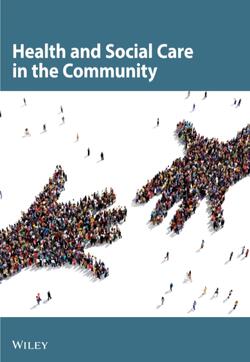
Cover of journal Health and Social Care in the Community

Abstract


Introduction

Like many other countries, China had a fragmented health insurance system; in China's case, there were two separate schemes covering rural and urban residents. This study focused on the policy implications of integrating the schemes, particularly on the psychological effects.


Methods

The study used four waves of data from the China Health and Retirement Longitudinal Study (CHARLS) collected in 2011, 2013, 2015, and 2018, adopting a time-varying DID approach to capture the effect of integration on depressive symptoms among rural residents.


Results

The average CES-D score of rural adults decreased by 0.424, and the likelihood of depressive symptoms decreased by 3.5% after the implementation of the urban–rural health insurance integration policy. The positive effects may be due to the reduced cost-sharing rates as well as improvements in health satisfaction, social interactions, and physical activity. The integration reform had a limited impact on improving the mental health of those with the lowest economic status, the worst health status, and those aged 40–49 or over 70.


Discussion

This health insurance integration helped to improve mental health among rural adults. There are several policy implications:

  1. The positive policy effects suggest that further improvements could result from the Chinese government expanding coverage of the rural program, moving up to provincial- or national-level pooling, and encouraging more to enroll.
  2. More targeted solutions to decrease inequity should be considered, like focusing on rural adults over 70 with low income/low wealth
  3. Reimbursement rates under the rural insurance program remain low, so increased funding for the program is warranted.
  4. Strengthening healthcare facilities and resources in rural areas is an important next step


Highlights
 

  • CES-D scores for rural adults decreased by 0.424
  • Likelihood of depressive symptoms decreased by 3.5%
  • Benefits began appearing two years before integration, perhaps indicating positive expectations
All Publications button
1
Publication Type
Journal Articles
Publication Date
Subtitle

Evidence From a Quasiexperimental Study

Journal Publisher
Health & Social Care in the Community
Authors
Karen Eggleston
Authors
Noa Ronkin
News Type
News
Date
Paragraphs

Alzheimer’s disease and related dementias (ADRD) are putting a significant strain on families and healthcare systems worldwide, and with increasing life expectancies, they pose an escalating global challenge. As one of the world’s fastest aging economies, South Korea’s efforts to address the burden of care for people living with ADRD offer valuable lessons for other nations grappling with the social and economic pressures of the demographic transition.

new comprehensive review of Korea’s programs and policies to promote healthy aging and diagnose, treat, and care for people living with ADRD sheds light on progress and ongoing challenges. Published in the May 2025 issue of Alzheimer's & Dementia: The Journal of the Alzheimer's Association, the review offers insights from Korea’s strategies that resonate far beyond its borders.

The co-authors – Stanford health economist Karen Eggleston, the director of APARC’s Asia Health Policy Program (AHPP), and Daejung Kim, an associate research fellow at the Korea Institute for Health and Social Affairs – focus on recent policies supporting “aging in place” for independent seniors and palliative care for those needing greater support.

Eggleston and Kim used a mixed-methods review of dementia care in Korea over the past 25 years, combining a critical analysis of peer-reviewed social science and health policy studies in both English and Korean, quantitative analysis of Korean statistical agency data compared with other OECD countries, and interviews with local policymakers and welfare administrators in a region with a high proportion of elderly population.


Social and Policy Pressures in a Rapidly Aging Economy


Korea is aging fast, and the prevalence of ADRD among older adults is expected to surge, as is the projected social and economic toll of dementia care. Demographic and economic projections suggest that the annual cost of ADRD in Korea would increase from 0.9 percent to almost four percent of GDP from 2019 to 2050.

“Korea’s demographic transition, like its economic development, has been compressed into just a few generations,” Eggleston and Kim explain. “As a result, its triumph of longevity and current extra-low fertility engender social strains and policy pressures to address the burgeoning needs for long-term services and support – including prevention of ADRD, investing in early detection, and providing appropriate care for people with ADRD, which often involves addressing the broader social issue of financial support for older adults and detecting cognitive decline in those still engaged in the labor force.”

A Foundation for Dementia Care Service Delivery


Korea has taken decisive steps to build a comprehensive system for dementia care, leveraging its national health insurance and long-term care insurance (LTCI). This dual insurance framework aims to reduce unnecessary hospitalizations and shift social care away from medical settings.

Research shows that “the adoption of LTCI in 2008 helped to address regional disparities by providing nationwide risk pooling for long-term care services,” but the system still faces hurdles. Within Korea’s private-dominated service delivery system, the public-private balance varies significantly across different services, coordination between healthcare and long-term care services remains fragmented, and there is a need for better integration of community-based support.

Furthermore, “social insurance is no panacea for mitigating disparities and securing financial support for the most vulnerable citizens, such as people with ADRD and their families,” Eggleston and Kim note. Out-of-pocket payments for medical care still constitute a substantial portion of Korean household consumption.

The economic and social costs of dementia will impose an even greater burden if population aging further slows GDP growth in Korea beyond current projections (for example, because of labor shortages and lower productivity growth in specific sectors of the economy).
Eggleston & Kim

Livelihood and Workforce Challenges


In light of Korea’s limited sources of financial support for its older citizens, the country has relatively high labor force participation, especially among older men. This high level of employment of older Koreans may bode ill in an economy where many of the “senior employment” positions – primarily low-paying roles in the service sector – are not age-friendly.

Giving elderly persons a reason to get up in the morning has its benefits, Eggleston and Kim note, but having them perform service jobs is not a sustainable way to support livelihoods and healthy aging. “How decision-making by cognitively impaired individuals affects health and financial well-being can be considered the defining feature of the economics perspective on ADRD and its social impacts,” the co-authors say.

The growing demand for professional dementia care strains Korea’s caregiving workforce in other ways. Amid the shortage and aging of caregivers, much of dementia care falls on unpaid family members, often women in their 50s, lowering their rates of labor force participation in prime age. The burden on these informal caregivers is profound.

The authors note that “Korea needs more strategies to recruit, retain, and empower a knowledgeable and resilient caregiving workforce.”

Prevention and Early Diagnosis: A Mixed Picture


Early detection is critical for planning care and support for people with ADRD, and Korea is taking steps to design programs and incentives for healthy aging habits and early ADRD detection. These efforts, however, require stronger staffing and funding to offer more personalized and coordinated care.

Another set of challenges stems from the underuse of existing long-term services and support programs and the need to diversify them. Currently, providers have weak incentives to offer palliative care, while families and patients often struggle to choose comfort care over ongoing medical treatments.

Policymakers must also expand the target group of beneficiaries and diversify long-term services and support for daily life, including promoting a reduction in risk factors associated with dementia, such as low educational attainment, smoking, physical inactivity, uncontrolled chronic diseases, and depression. Eggleston and Kim call for developing “additional care service types such as hospital companion and nutrition support services” and integrating new technologies as part of a diversified, long-term aging-in-place care system.

Better care support for daily life would involve the development of additional care service types, such as hospital companion services and nutrition support services. Aging-in-place also relies on effective housing support.
Eggleston & Kim

Expanding Care Options 


The demographic transition has been accompanied by shifting social norms regarding responsibilities and caregiving, meaning significantly fewer Koreans believe care for older parents is the sole responsibility of family members. Accordingly, Korean policies aim to strengthen home- and community-based services (HCBS). Yet, the country’s share of at-home care recipients remains lower than in many peer economies.

“Making the vision of quality HCBS a reality involves multiple dimensions of financing and service delivery, tailored to local and individual circumstances while supporting equitable access nationally for those in need,” write Eggleston and Kim.

Institutional care in residential facilities remains a necessity for frail older people with ADRD and multiple comorbidities. While the supply of such service providers has greatly improved and long-term care insurance coverage has enhanced their affordability for families, wide disparities in quality of care for those in residential facilities persist. Meanwhile, hospice and palliative care remain largely an underdeveloped care option for people with ADRD in Korea.

Lessons for Aging Economies


South Korea’s dementia care journey illustrates the complex balancing act of addressing the multiple dimensions of a rapid demographic transition. The country’s efforts to promote healthy aging and diagnose, treat, and care for people with ADRD offer valuable insights for other economies that must prepare to provide long-term support for their aging populations.

One major imperative in Korea and elsewhere is ensuring that dementia care policies and programs are based on robust evidence. “To utilize limited resources most effectively, it will be critical to design and collect policy-relevant evidence about what works for people with ADRD and their care partners,” Eggleston and Kim write.

Read More

An older Korean man fills out a job application at a elderly persons' job fair in Seoul.
News

In Rapidly Aging South Korea, the Economy Is Slow in Creating “Age-Friendly” Jobs

Despite the nation’s rapidly aging demographics, South Korea's economy has not adapted as well as the United States, a new study finds. The researchers, including Stanford health economist and director of the Asia Health Policy Program at APARC Karen Eggleston, show that age-friendly jobs attract a broad range of workers and that structural barriers in the labor market influence which groups can access these roles.
In Rapidly Aging South Korea, the Economy Is Slow in Creating “Age-Friendly” Jobs
Two young scholars in conversation on a background of Encina Hall arcade.
News

Rethinking Health and Innovation in Aging Societies: Mai Nguyen and Jinseok Kim Explore Asia’s Health Policy Crossroads

As Asian economies grapple with aging populations, rising healthcare demands, and rapid technological change, APARC’s 2024-25 Asia Health Policy Program Postdoctoral Fellows Mai Nguyen and Jinseok Kim study large-scale health care structural and policy challenges from the lens of individual decision-making.
Rethinking Health and Innovation in Aging Societies: Mai Nguyen and Jinseok Kim Explore Asia’s Health Policy Crossroads
A man walks past a bear-like sculpture at Evergrande City Plaza shopping center on September 22, 2021 in Beijing, China.
News

When the Storm Hit: How COVID Exposed China’s Flawed Fiscal System

A co-authored study by a team including Stanford political scientist Jean Oi traces how the Chinese central government’s shifting policies during the COVID pandemic exposed its fiscal fault lines and created a local government liquidity crisis.
When the Storm Hit: How COVID Exposed China’s Flawed Fiscal System
Hero Image
Close-up on an elderly womna's hands holding colorful puzzle pieces.
All News button
1
Subtitle

A comprehensive review of rapidly aging South Korea’s efforts to mitigate the social and economic costs of Alzheimer’s disease and related dementias, co-authored by Stanford health economist Karen Eggleston, provides insights for nations facing policy pressures of the demographic transition.

Date Label
Paragraphs

Abstract


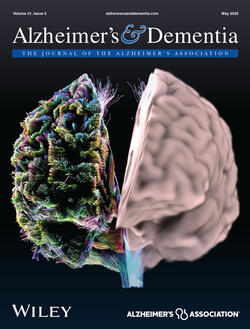
Cover of Vol. 21, Issue 5, of "Alzheimer's & Dementia: The Journal of the Alzheimer's Association"

Introduction

As one of the most rapidly aging societies globally, Korea's efforts to mitigate the social burden of Alzheimer's disease and related dementias (ADRD) may provide valuable insights.


Methods

We conducted a mixed-methods review of studies and policies related to dementia care in Korea over the past 25 years, including quantitative analysis of administrative and comparative data.


Results

Estimates suggest a high social burden from ADRD, with annual costs increasing from 0.9% to 3.8% of gross domestic product between 2019 and 2050. Pilot programs for integrated community care and hospice palliative care reveal the advantages of innovating from a foundation of national health insurance and long-term care insurance, as well as the continuing challenges of appropriately designing programs and incentives for early detection, integrated care, and late-life palliative care.


Discussion

A rigorous analysis of programs addressing uneven quality and a study of the impact of integrated care models for home- and community-based services would be valuable.


Highlights
 

  • A mixed-method review highlights the challenges of rapid aging in Korea.
  • Universal health and long-term care systems support innovation for dementia care.
  • Dementia costs are projected to increase from 0.9% to 3.8% of gross domestic product in 2019–2050.
  • Pilots of integrated community care and hospice palliative care show promise.
  • Rigorous analysis of programs to address uneven quality would be valuable.
All Publications button
1
Publication Type
Journal Articles
Publication Date
Journal Publisher
Alzheimer's & Dementia: The Journal of the Alzheimer's Association
Authors
Karen Eggleston
Number
5
Authors
Michael Breger
News Type
News
Date
Paragraphs

How do aging populations reshape health and innovation policies in Asian economies? What role can the private sector play in public health service delivery, and how do individual preferences affect the development of emerging technologies? Mai Nguyen and Jinseok Kim, the 2024-25 Asia health policy postdoctoral fellows at APARC, focus on these questions as part of their research into health care service adaptation and behavioral economics.

At a recent joint seminar, “Health, Aging, Innovation, and the Private Sector: Evidence from Vietnam and Korea,” they offered a comparative look at how Vietnam and South Korea navigate aging populations, rising healthcare demands, and rapid technological change. While Nguyen focuses on health system design in Vietnam and Kim explores innovation diffusion in Korea, they both use discrete choice modeling to understand how individuals make decisions within systems influenced by age, infrastructure, and policy.

Sign up for APARC newsletters to receive updates from our scholars >


Nguyen and Kim’s work is supported by APARC’s Asia Health Policy Program (AHPP), which offers a postdoctoral fellowship each year to an early-career scholar conducting original research on health policy in the Asia-Pacific, particularly in low- and middle-income economies across the region. The fellowship demonstrates the program’s commitment to fostering the next generation of Asia-focused health policy researchers.

Vietnam’s Mixed Health System and the Role of Patient Choice


Mai Nguyen’s research centers around the role of private healthcare providers in Vietnam, especially for patients managing chronic diseases such as diabetes. She studies how patients choose between public and private healthcare providers, and what attributes of care they value most.

To analyze these preferences, she uses a method known as the Discrete Choice Experiment, which allows her to quantify the relative importance of various service attributes — such as appointment flexibility, doctor choice, quality of care, drug diversity, and cost coverage — in influencing patients’ decisions.

Despite potential downsides, such as increased costs, equity concerns, and profit-driven service delivery, my study finds that private healthcare helps relieve pressure on the public system and meets diverse patient needs.
Mai Nguyen

Nguyen’s interest in this topic began while she worked at Vietnam’s Ministry of Health. “That earlier work highlighted the growing contribution of the private sector in filling service delivery gaps, particularly in urban areas and for non-communicable diseases such as diabetes,” she says.

Her findings suggest that Vietnam’s private sector has become a necessary complement to public healthcare. “Despite potential downsides, such as increased costs, equity concerns, and profit-driven service delivery, my study finds that private healthcare helps relieve pressure on the public system and meets diverse patient needs.”

At APARC, Nguyen has sharpened the focus of her research under the mentorship of AHPP Director Dr. Karen Eggleston, a leading expert on public and private roles in Asian health systems. Nguyen also values her collaboration with Jinseok Kim. “Dr. Kim’s expertise provides valuable insights into how Korea is addressing the challenges of a rapidly aging population through innovative policy and service delivery models,” she notes.

Her time at Stanford has also broadened Nguyen’s horizons beyond traditional health economics. “I have developed a strong interest in the application of artificial intelligence to enhance the delivery of medical services,” she says. Looking forward, she plans to expand her research to Asian American populations in the United States, exploring how AI and digital health can improve diabetes care while also addressing barriers related to equity and access.

Innovation Adoption and the Aging Consumer in South Korea


Jinseok Kim investigates how aging affects new technology adoption and consumer behavior in South Korea, a country facing one of the fastest demographic shifts in the world.

“My current research involves looking at population aging and innovation diffusion, specifically in the context of the rapid aging trend in Korea,” Kim says. He studies how age influences consumer preferences in choosing new technologies such as electric vehicles, telemedicine, and generative AI platforms like ChatGPT.

By working out the relationship between consumer choice and population aging, I forecast the effect of the population aging trend on the diffusion of innovative products and provide the potential policy and marketing implications for government policy and corporate management.
Jinseok Kim

Understanding these preferences, Kim argues, is critical for both policy and market strategy. “By working out the relationship between consumer choice and population aging, I forecast the effect of the population aging trend on the diffusion of innovative products and provide the potential policy and marketing implications for government policy and corporate management.”

The challenge, he says, lies in making sense of a wide range of behaviors across age groups and product types. “The biggest challenge I had in my studies was finding the overarching trend in the relationship between consumer choice for particular innovative products and population aging and then translating this finding into meaningful implications for society and the economy.”

Kim credits his time at APARC, especially participating in the Stanford Next Asia Policy Lab (SNAPL) meetings, with broadening his perspective. “Working as a member of SNAPL gave me insights and perspectives I didn’t have before,” he says.

SNAPL, directed by Professor Gi-Wook Shin, is an interdisciplinary research initiative housed within APARC addressing pressing social, cultural, economic, and political challenges in Asia through comparative, policy-relevant studies. The lab cultivates the next generation of researchers and policy leaders by offering mentorships and fellowship opportunities for students and emerging scholars.

Kim sees APARC’s model as effectively bridging academia and policy. “There are so many opportunities to interact with other scholars, policymakers, and practitioners,” Kim says. “Scholars here not only research and write, but they also get to share their voice and research findings in real-world policy.”

His advice to early-career researchers is straightforward. “Be more down-to-earth with your studies and thinking,” Kim says. “Sometimes scholars tend to get caught up in their way of thinking and perspective, but it may not be practical in real life. That is why I think it is important to just get outside and observe real consumer choice and behavior.”

Kim plans to continue researching questions related to innovation and demographic change to help governments and businesses adapt to aging populations and shifting consumer needs.

Ground-Level Data, Big-Picture Impact


Mai Nguyen and Jinseok Kim approach shared societal challenges through distinct yet complementary lenses. Nguyen’s research reveals how patient preferences can guide more effective public-private collaboration in healthcare, ultimately shaping systems that are more responsive to real-world needs. Meanwhile, Kim examines how patterns of technology adoption — especially among older adults — can influence the trajectory of innovation in aging societies.

Both scholars emphasize the value of ground-level data in addressing large-scale issues. By centering real behaviors and preferences, their work helps inform smarter, more adaptive policy, whether in designing patient-centered care or planning for technology's role in future societies. At APARC, their research bridges theory and practice, offering fresh insight into how Asian countries can navigate the twin forces of demographic change and rapid innovation.

Read More

Photo of Stanford Main Quad and logos of APARC and media outlet Netra News, winner of the 2025 Shorenstein Journalism Award.
News

Bangladesh-Focused Investigative Media Outlet Netra News Wins 2025 Shorenstein Journalism Award

Sponsored by Stanford University’s Shorenstein Asia-Pacific Research Center, the 24th annual Shorenstein Journalism Award honors Netra News, Bangladesh's premier independent, non-partisan media outlet, for its unflinching reportage on human rights abuses and corruption in Bangladesh and its efforts to establish and uphold fundamental freedoms in the country.
Bangladesh-Focused Investigative Media Outlet Netra News Wins 2025 Shorenstein Journalism Award
Brandon Yoder, Stanford Next Asia Policy Fellow
News

Political Signaling in an Uncertain World: Brandon Yoder’s Empirical Lens on Chinese Foreign Policy

Brandon Yoder, APARC’s 2024–25 Stanford Next Asia Policy Fellow, focuses on a central challenge in international politics: how states can credibly signal their intentions and avoid war. His work investigates this question in high-stakes contexts, such as during power shifts, amid strategic uncertainty, and in multi-actor settings where traditional signaling models often fall short.
Political Signaling in an Uncertain World: Brandon Yoder’s Empirical Lens on Chinese Foreign Policy
Shilin Jia
News

Tracking Elite Political Networks: Shorenstein Postdoctoral Fellow Shilin Jia’s Data-Driven Approach to Understanding Chinese Bureaucracy

APARC’s 2024-25 Shorenstein Postdoctoral Fellow on Contemporary Asia Shilin Jia researches the careers of high-level Chinese political elites during the economic reform period from 1978 to 2011. Using a quantitative approach, Jia explores how China's party-state orchestrated elite circulation as a governance tool during a time of significant economic and political transformation.
Tracking Elite Political Networks: Shorenstein Postdoctoral Fellow Shilin Jia’s Data-Driven Approach to Understanding Chinese Bureaucracy
Hero Image
Two young scholars in conversation on a background of Encina Hall arcade.
All News button
1
Subtitle

As Asian economies grapple with aging populations, rising healthcare demands, and rapid technological change, APARC’s 2024-25 Asia Health Policy Program Postdoctoral Fellows Mai Nguyen and Jinseok Kim study large-scale health care structural and policy challenges from the lens of individual decision-making.

Date Label
Authors
Michael Breger
News Type
News
Date
Paragraphs

Despite technological breakthroughs, healthcare inequality remains a pressing public health challenge across developed and developing nations. Low levels of income or education mobility can exacerbate socioeconomic disparities, leaving children from disadvantaged families with fewer opportunities to improve their social and economic prospects. Moreover,  children in families with low-income backgrounds are also more likely to experience poor health outcomes, perpetuating a cycle of disadvantage.

Huixia Wang, a visiting scholar at Shorenstein APARC, sees this phenomenon as an opportunity to better understand the dynamics of intergenerational health and how to interrupt patterns of persistent health inequalities across generations. Her research aims to identify potential interventions to improve health outcomes in developing regions.

An associate professor at Hunan University, Wang has spent the 2024 fall quarter at APARC. She recently presented her research on the intricate dynamics of intergenerational health metrics, particularly in China and Indonesia. Watch her talk, “Intergenerational Persistence of Self-Reported Health Status and Biomarkers in Indonesia,” on our YouTube channel.

Barriers to Intergenerational Health

While much has been written about the transmission of income and education across generations, “much less is known about how health is passed down between generations," Wang notes, highlighting a gap in the existing research. Emphasizing that health is a crucial factor in determining overall well-being, as it affects everything from mental health to economic productivity and social mobility, she asserts that good health is linked to better educational outcomes, higher earning potential, and improved labor market performance. Poor health, on the other hand, is associated with lower educational attainment, reduced employment prospects, and higher rates of chronic illness.

Wang’s research approach centers on recognizing the multiple challenges in implementing maternal health-oriented policies. Having identified limited access to healthcare services as a significant barrier, she considers how, in many low-income and rural areas, “access to quality healthcare is constrained by poor infrastructure, lack of transportation, and shortages of healthcare professionals, making it difficult for pregnant women to receive essential care.”

Another obstacle is the prohibitive cost of healthcare. In countries where maternal health services are not subsidized or free, the financial burden of out-of-pocket expenses for transportation, medications, and other related costs can prevent women from accessing necessary care. Furthermore, Wang shows that low levels of maternal health education can contribute to poor health-seeking behaviors. “Many women may not recognize the warning signs of complications, may not fully understand the importance of prenatal care, or may be unaware of their rights to healthcare services,” she says.

Measuring Health Outcomes Across Generations

Wang acknowledges the difficulties in studying intergenerational health mobility, as it cannot be neatly defined and measured by observable metrics such as income or education. Health is much more subjective and varies from person to person. To gauge health outcomes, researchers must therefore rely on diverse and sometimes imprecise indicators, such as the presence of chronic diseases.

Moreover, to examine intergenerational mobility, researchers need data that includes health information for both parents and children. Such datasets are not always readily available, and those that do exist often lack the necessary granularity and long-term tracking to provide meaningful insights.

To overcome these challenges, Wang draws on a variety of panel data that tracks individuals over time, as well as survey data and self-reported status. For Wang, longitudinal studies are crucial for understanding how health disparities manifest and evolve over time. 

Using data from the Indonesia Family Life Survey, she combines subjective measures like self-reported health and objective measures such as pulse, BMI, hypertension, and anemia to capture a more complete picture of health mobility. This approach expands beyond previous studies, which typically relied on fewer health indicators and focused on developed countries. Her study includes a broad range of health variables and provides a unique look at the role of gender and socioeconomic factors in shaping health outcomes across generations.

Wang uses two primary methods for measuring intergenerational health mobility: one following the Intergenerational Health Association, which regresses children's health outcomes on those of their parents, and rank-rank regressions, which examine the persistence of health outcomes by analyzing percentile ranks. These techniques, adapted from income mobility research, allow her to assess health persistence and mobility across generations.

Future Directions and Policy Impact

Wang’s time at APARC has been instrumental in shaping and refining her research. "The opportunity to engage with experts from various fields [...] opened my eyes to new ways of thinking about my research," she shared. "The collaborative environment at APARC also made me realize how much I can learn from perspectives outside my immediate area of focus.”

Wang credits Stanford’s vibrant academic environment, with its rich array of seminars and talks, to broadening her understanding of Southeast Asian health systems, a subject she was less familiar with. She expressed gratitude to APARC faculty for their “invaluable guidance for both my research and my life at Stanford.” In particular,  APARC’s Asia Health Policy Program Director Karen Eggleston “dedicated a significant amount of time to advising my work, introducing me to key researchers in my field, and sharing the valuable resources that I might benefit from on campus,” Wang said.

Looking ahead, she is excited to continue exploring the role of health in intergenerational mobility, particularly in the Southeast Asian context, and plans to expand her research into the health effects of pollution, an area she has already begun to investigate. Wang also hopes to contribute to policymaking that addresses health inequality. By providing a deeper understanding of how health disparities are perpetuated across generations, she aims to inform policies that could improve health outcomes and reduce inequality in developing countries.

Wang’s research on intergenerational health mobility offers a fresh and much-needed perspective on the crucial yet understudied role of health in social mobility. She hopes her research helps policymakers and scholars address health inequalities that perpetuate socioeconomic disadvantage across generations.

Read More

Stanford Quad and geometric hill shapes with APARC logo and text "Call for Nominations: 2025 Shoreenstein Journalism Award."
News

2025 Shorenstein Journalism Award Open to Nomination Entries

Sponsored by Stanford University’s Shorenstein Asia-Pacific Research Center, the annual Shoresntein Award promotes excellence in journalism on the Asia-Pacific region and carries a cash prize of US $10,000. The 2025 award will honor an Asian news media outlet or a journalist whose work has primarily appeared in Asian news media. Nomination entries are due by February 15, 2025.
2025 Shorenstein Journalism Award Open to Nomination Entries
group of people standing on steps of Encina Hall at the 2024 Trans-Pacific Sustainability Dialogue
News

Driving Climate-Resilient Infrastructure and Inclusive Industrialization: Highlights from the Third Annual Trans-Pacific Sustainability Dialogue

Held at Stanford and hosted by the Shorenstein Asia-Pacific Research Center, the third annual Dialogue convened global leaders, academics, industry experts, and emerging experts to share best practices for advancing Sustainable Development Goal 9 in support of economic growth and human well-being.
Driving Climate-Resilient Infrastructure and Inclusive Industrialization: Highlights from the Third Annual Trans-Pacific Sustainability Dialogue
Hero Image
Huixia Wang
All News button
1
Subtitle

Economist Huixia Wang, a visiting scholar at APARC, discusses her research into healthcare economics and the reverberating effects of poor healthcare access on health outcomes across generations.

Date Label
Paragraphs

Shorenstein APARC's annual report for the academic year 2023-24 is now available.

Learn about the research, publications, and events produced by the Center and its programs over the last academic year. Read the feature sections, which look at the historic meeting at Stanford between the leaders of Korea and Japan and the launch of the Center's new Taiwan Program; learn about the research our faculty and postdoctoral fellows engaged in, including a study on China's integration of urban-rural health insurance and the policy work done by the Stanford Next Asia Policy Lab (SNAPL); and catch up on the Center's policy work, education initiatives, publications, and policy outreach. Download your copy or read it online below.

All Publications button
1
Publication Type
Annual Reports
Publication Date
Authors
0
Postdoctoral Scholar, Stanford Center on China's Economy and Institutions
yuyin_xiao.jpg Ph.D.

Yuyin Xiao's research areas include health service systems, population health, and digital healthcare. In June 2023, Yuyin received her PhD in Public Health from Shanghai Jiao Tong University School of Medicine. She is currently a postdoctoral scholar at the Stanford Center on China's Economy and Institutions, focusing on research related to digital interventions in early childhood development and caregivers' mental health.

Date Label
1
Asia Health Policy Postdoctoral Fellow, 2024-2025
Mai Nguyen.JPG Ph.D.

Mai Nguyen joined the Walter H. Shorenstein Asia-Pacific Research Center (APARC) as Asia Health Policy Postdoctoral Fellow for the 2024-2025 academic year. She holds a PhD in health services and health policy from Queensland University of Technology (QUT), Australia, and a Master of Science from Heller School for Social Policy and Management, Brandeis University.

Her doctoral research focused on how the expanding private healthcare sector can be managed more effectively to better supplement public health services to achieve universal health coverage in Vietnam. The study analyzed large and complex national health datasets from two consecutive Household Living Standard Surveys, clinical hospital data at national levels and in-depth interviews with key stakeholders of Vietnam's health system to investigate consumers' choice for private and public health care services in Vietnam. Her research findings have implications for policy change in terms of harnessing and regulating private health services in Vietnam and other Asia-Pacific countries, especially low and middle-income countries.

Dr. Nguyen has worked as a senior health specialist at Vietnam Ministry of Health. Her research interest stems from her professional experience in health policy and program management, including health policy and management, health services, private healthcare and health equity. Her works have been published in many Q1-international journals such as BMC Public Health, BMC Health Services Research, Human Resources for Health and International Journal of Health Policy and Management.

At APARC, Dr. Nguyen extended her research on the roles of private healthcare to supplement the public health sector to address the growing burden of chronic diseases and conditions in Vietnam.

Date Label
Authors
Noa Ronkin
News Type
News
Date
Paragraphs

The Walter H. Shorenstein Asia-Pacific Research Center (APARC) is pleased to invite applications for a host of fellowships in contemporary Asia studies to begin in Autumn quarter 2025.

The Center offers postdoctoral fellowships that promote multidisciplinary research on Asia-focused health policy, contemporary Japan, and contemporary Asia broadly defined, postdoctoral fellowships and visiting scholar positions with the Stanford Next Asia Policy Lab, and a fellowship for experts on Southeast Asia. Learn more about each opportunity and its eligibility and specific application requirements:

Asia Health Policy Program Postdoctoral Fellowship

Hosted by the Asia Health Policy Program at APARC, the fellowship is awarded to one recent PhD undertaking original research on contemporary health or healthcare policy of high relevance to countries in the Asia-Pacific region, especially developing countries. Appointments are for one year beginning in Autumn quarter 2025. The application deadline is December 1, 2024.

Japan Program Postdoctoral Fellowship

Hosted by the Japan Program at APARC, the fellowship supports research on contemporary Japan in a broad range of disciplines including political science, economics, sociology, law, policy studies, and international relations. Appointments are for one year beginning in Autumn quarter 2025. The application deadline is December 1, 2024.  

Shorenstein Postdoctoral Fellowship on Contemporary Asia

APARC offers two postdoctoral fellowship positions to junior scholars for research and writing on contemporary Asia. The primary research areas focus on political, economic, or social change in the Asia-Pacific region (including Northeast, Southeast, and South Asia), or international relations and international political economy in the region. Appointments are for one year beginning in Autumn quarter 2025. The application deadline is December 1, 2024. 
 

Read More

(Clockwise from top left) Michael McFaul, Oriana Skylar Mastro, Gi-Wook Shin, Kiyoteru Tsutsui
News

Stanford Experts Assess the Future of the Liberal International Order in the Indo-Pacific Amid the Rise of Autocracy, Sharp Power

At the Nikkei Forum, Freeman Spogli Institute scholars Oriana Skylar Mastro, Michael McFaul, Gi-Wook Shin, and Kiyoteru Tsutsui considered the impacts of the war in Ukraine, strategies of deterrence in Taiwan, and the growing tension between liberal democracy and authoritarian populism.
Stanford Experts Assess the Future of the Liberal International Order in the Indo-Pacific Amid the Rise of Autocracy, Sharp Power
Hero Image
Stanford building with palm trees and architectural details on the foreground and text "Call for Applications: Fall 2025 Fellowships" and APARC logo.
All News button
1
Subtitle

The Center offers multiple fellowships for Asia researchers to begin in Autumn quarter 2025. These include postdoctoral fellowships on Asia-focused health policy, contemporary Japan, and the Asia-Pacific region, postdoctoral fellowships and visiting scholar positions with the Stanford Next Asia Policy Lab, a visiting scholar position on contemporary Taiwan, and fellowships for experts on Southeast Asia.

Date Label
Subscribe to Health policy